IMO Hormuz Advisory Raises Chemical Tanker Routing and Supply Chain Risks
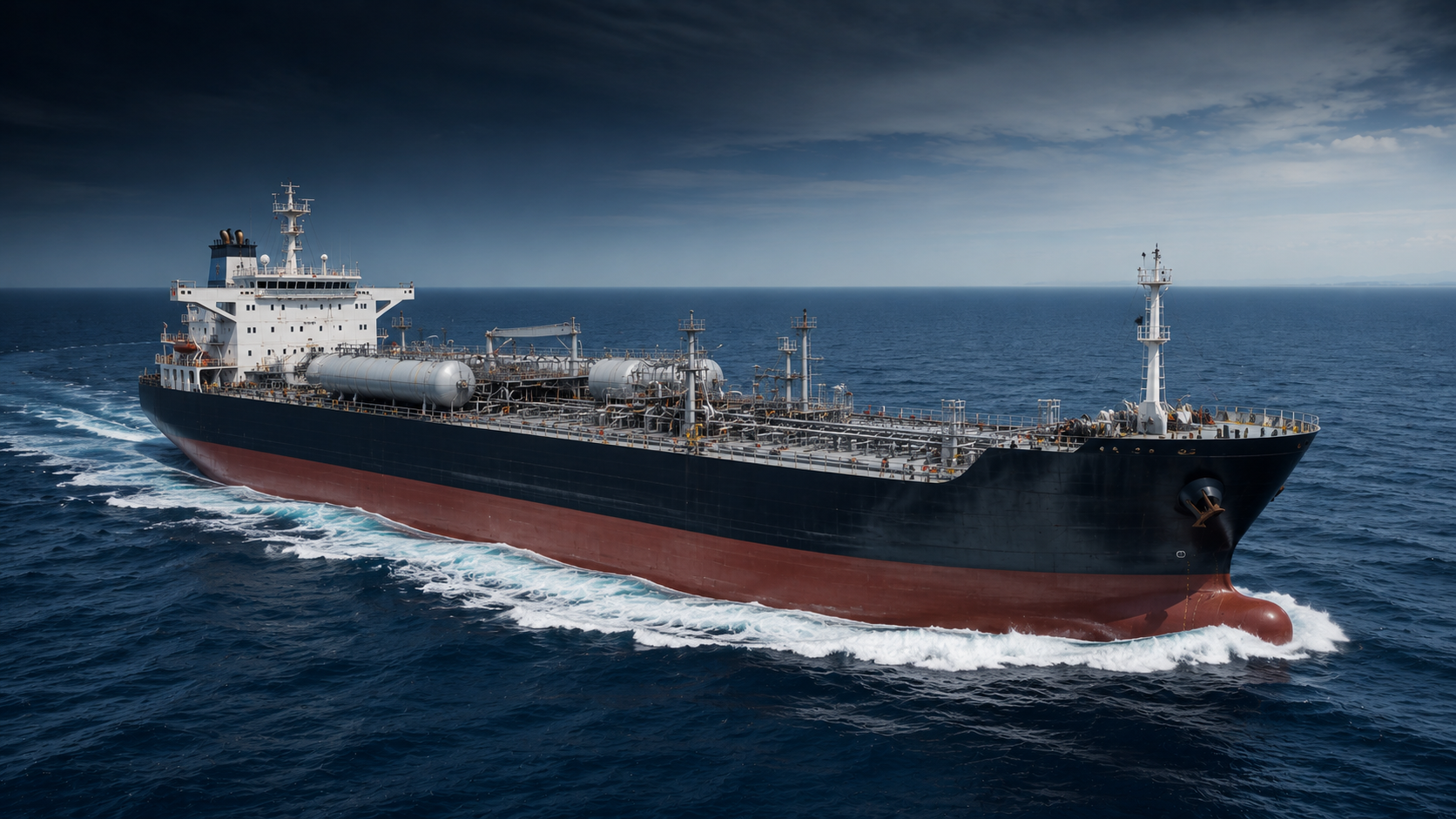
The International Maritime Organization's advice for ships to avoid the Strait of Hormuz until crew safety can be assured has introduced a major new risk factor for global chemical trade. The advisory directly affects petrochemical tankers that depend on the waterway to connect Middle Eastern production hubs with buyers across Asia, Europe and other markets.
For chemical traders and procurement teams, the issue extends far beyond a single shipping route. Any prolonged disruption around Hormuz could increase voyage distances, tighten vessel availability, raise insurance and security costs and delay deliveries of feedstocks and finished chemicals.
Why the IMO Hormuz Advisory Matters for Chemical Tankers
The Strait of Hormuz serves as a critical maritime gateway for energy and petrochemical flows. Tankers carrying chemical feedstocks, intermediates and related products rely on predictable access through the region to maintain established trade routes.
The IMO's advice creates an immediate operational question for shipowners and charterers: can vessels continue to use the route while maintaining acceptable safety conditions for crews? Until that question receives a clear answer, some operators may choose alternative routes even when those options add substantial time and cost.
The impact will vary by cargo and origin. A vessel carrying a product with tight delivery requirements may face a different commercial decision from a ship transporting a less time-sensitive bulk chemical.
Longer Routes Could Reshape Chemical Freight Economics
Avoiding Hormuz can force vessels to take longer routes depending on their origin and destination. Longer voyages consume more fuel, require additional sailing days and reduce the number of voyages a vessel can complete within a given period.
For chemical buyers, these effects can appear through several channels:
Higher freight costs: Additional sailing distance can increase fuel consumption and vessel operating expenses, pushing delivered chemical prices higher.
Tighter tanker availability: Longer voyages keep ships occupied for more time, reducing effective vessel availability for other cargoes.
Rising risk premiums: Security concerns can increase insurance costs and encourage owners to seek higher compensation for voyages perceived as more dangerous.
Delivery uncertainty: Longer routes create more opportunities for weather disruptions, port congestion and schedule changes.
The commercial result may not appear immediately in every chemical contract. However, spot cargoes and short-term procurement arrangements could react faster than long-term agreements with fixed freight structures.
Petrochemical Supply Chains Face a New Routing Variable
Many chemical supply chains already operate with limited flexibility. Producers may depend on specific feedstocks, while buyers often maintain approved suppliers and defined product specifications.
A sudden change in maritime routing can challenge these assumptions. When a vessel cannot use its normal path, buyers may need to reconsider delivery windows, inventory levels and alternative sourcing options.
The risk becomes more significant when several products depend on the same shipping corridor. A disruption affecting one route can influence multiple markets at the same time, creating a broader supply chain effect rather than a single-product shortage.
For procurement managers, the key concern is not only whether a shipment will arrive. The bigger question involves how much additional cost and time the supply chain can absorb before production schedules or customer commitments face pressure.
How Chemical Traders Are Likely to Reassess Cargoes
The IMO advisory gives traders another variable to include when evaluating Middle Eastern chemical cargoes. Product availability at the origin may remain strong, yet the delivered economics can change quickly if transportation becomes more expensive or less predictable.
Traders will likely focus on several practical questions:
Is the cargo dependent on direct Hormuz transit or can the vessel use an alternative route?
How much additional sailing time would a rerouting decision create?
Does the cargo have a narrow delivery window or flexible arrival timing?
Can the buyer secure alternative supply from another producing region?
Does the additional freight cost still leave the cargo competitive against substitute origins?
These questions matter particularly for commodities where freight represents a meaningful portion of the delivered price. A product that looks attractive on a free-on-board basis may become less competitive after routing and security costs increase.
Middle Eastern Chemical Exports Could See Uneven Effects
The impact of the Hormuz advisory will not affect every chemical equally. Products with multiple global suppliers may experience a relatively manageable adjustment, while products concentrated in the Middle East could face greater exposure to shipping disruption.
The difference between regional markets will also matter. Asian buyers often depend heavily on Middle Eastern supply for several petrochemical products, while European and other buyers may have access to alternative producers, although those alternatives can carry higher costs.
The market could therefore develop different pricing patterns across regions. A cargo that remains commercially viable for one destination may become unattractive for another once freight, insurance and transit time increase.
This divergence can create opportunities for traders with flexible logistics networks. Buyers able to compare multiple origins quickly may gain an advantage as traditional trade flows become less predictable.
Inventory Strategy Becomes More Important for Procurement Teams
The current situation strengthens the case for reviewing inventory policies across chemical-consuming industries. Companies that operate with minimal stock may face greater exposure if shipments encounter delays or if freight costs rise sharply during a period of heightened uncertainty.
Procurement teams may consider:
Earlier purchasing decisions: Securing cargoes before transportation conditions become more restrictive can reduce exposure to last-minute freight increases.
Alternative suppliers: Maintaining qualified suppliers in different regions can improve flexibility when a major shipping corridor faces disruption.
Flexible delivery windows: Negotiating wider arrival windows can give traders more options when vessel schedules change.
Freight visibility: Monitoring freight and security-related costs can improve delivered-cost calculations before purchase commitments are made.
The right strategy will depend on the product, production requirements and available storage capacity. However, the advisory highlights the cost of treating logistics as a separate issue from chemical sourcing.
The Strait of Hormuz Risk Could Influence 2026 Contracting
Long-term chemical contracts often rely on assumptions about normal shipping conditions. A new security concern around one of the world's most important maritime corridors can force buyers and sellers to revisit how those contracts allocate transportation risk.
Some counterparties may seek clearer language covering rerouting costs, delays and extraordinary security-related expenses. Others may prefer to shift more volume into shorter-term arrangements until the operating environment becomes clearer.
For buyers, contract discussions should focus on practical cost exposure rather than only headline product pricing. A competitive chemical price can lose its advantage if freight adjustments, delays or additional handling costs remain unclear.
The most important commercial issue is predictability. Buyers need to understand which party absorbs additional costs if a vessel cannot follow its planned route.
Alternative Routes Bring Their Own Challenges
Avoiding a major maritime chokepoint does not automatically remove supply chain risk. Alternative routes can involve longer distances, different port infrastructure and additional operational complexity.
A vessel may also encounter congestion when many operators attempt to use the same alternative corridor. If rerouting becomes widespread, the additional demand for vessels and port services could create new bottlenecks elsewhere.
Chemical cargoes add another layer of complexity because they require appropriate vessel specifications, handling procedures and regulatory compliance. Not every alternative port or vessel can accommodate every product.
Traders therefore need to evaluate alternative routes at the cargo level. A general shipping solution may not work for a specific chemical because of vessel compatibility, terminal restrictions or product handling requirements.
What This Means for Global Chemical Prices
The direct effect on chemical prices will depend on how long the routing uncertainty lasts and how many vessels change their operating plans. A short disruption may mainly affect freight and insurance, while a prolonged period could influence regional supply balances.
Market participants may see the greatest pressure in products that combine strong Middle Eastern production dependence with limited alternative supply. Even when physical availability remains adequate, higher logistics costs can lift delivered prices.
Price movements may also become more volatile. Buyers could rush to secure nearby cargoes, while sellers may hold back offers until freight and routing conditions become clearer.
This environment rewards disciplined procurement. Companies that compare delivered costs across origins and maintain multiple sourcing options can respond more effectively than buyers relying on a single supply route.
What Buyers Should Do Now
Chemical buyers do not need to wait for a complete disruption before reviewing their exposure. The IMO advisory provides a clear reason to examine how much of a company's supply chain depends on Hormuz transit and how quickly alternative arrangements can be activated.
Procurement teams should focus on the following actions:
Map exposure: Identify products, suppliers and contracted shipments that depend on Hormuz-related routes.
Recalculate landed costs: Include potential changes in freight, insurance, transit time and security-related charges.
Check alternative origins: Compare technically approved suppliers from regions outside the affected trade route.
Review stock coverage: Assess whether current inventory can absorb extended delivery times.
Strengthen communication: Maintain regular contact with suppliers, freight providers and customers as routing conditions evolve.
The objective is not simply to buy more material. A stronger strategy combines supplier diversification, accurate logistics costing and faster decision-making.
For chemical traders, the situation may also create new opportunities. Buyers facing uncertain delivery schedules may place greater value on readily available cargoes, alternative origins and suppliers with proven logistics flexibility.
The IMO's Hormuz advisory places crew safety at the center of maritime decision-making, but its commercial consequences extend across the chemical value chain. Longer routes, higher freight costs and uncertain vessel availability could influence sourcing decisions for months if operators continue to avoid the corridor.
Procurement teams that understand their route exposure and maintain access to verified alternative suppliers will be better positioned to manage the next phase of market volatility. Ready to source Strait of Hormuz from verified global suppliers? Explore competitive offers on our platform today.

Monoethylene glycol
Found this useful?