India Chemical Watch: How the Post-Duty-Waiver Market Is Reshaping Chemical Procurement
India's chemical industry has entered a new phase following the expiration of the temporary customs duty waiver on selected petrochemical products. As businesses adjust to the return of standard import duties, procurement teams across manufacturing sectors are reassessing sourcing strategies, updating cost structures, and evaluating domestic supply options.
The transition provides valuable insight into India's evolving chemical supply chain. While the country continues expanding its manufacturing capabilities, many industries still depend on imported raw materials for critical production processes. Understanding where domestic capacity has improved—and where import dependence remains—is essential for procurement professionals planning for the remainder of 2026.

Understanding the Post-Waiver Adjustment
The temporary duty relief helped manufacturers reduce raw material costs during a period of global supply chain uncertainty. With the waiver ending, companies are now returning to standard procurement practices.
Across multiple industries, businesses are:
Updating standard cost calculations
Revising procurement budgets
Reviewing supplier contracts
Adjusting customer pricing where necessary
Reassessing inventory strategies
Evaluating alternative sourcing options
The adjustment period offers an opportunity to examine how different sectors respond when import costs increase.
Industries Most Affected
Several manufacturing sectors rely heavily on petrochemical inputs and are directly influenced by changes in import costs.
Plastics and Packaging
Plastic processors continue to consume large volumes of:
Polyethylene (PE)
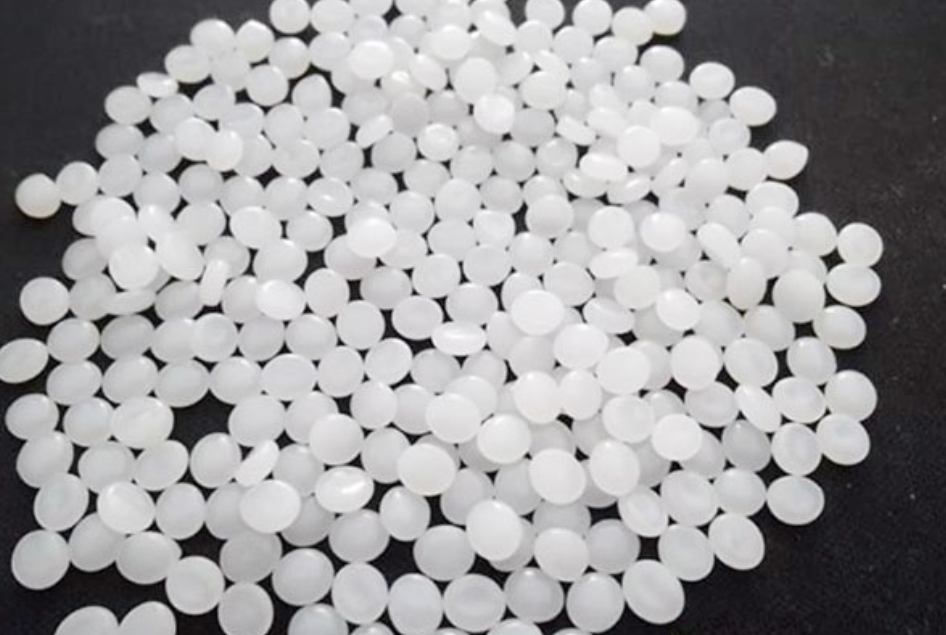
High Density Polyethylene (HDPE)
Polypropylene (PP)
PVC
Engineering plastics
Many commodity grades are available domestically, but specialized resins and performance materials often continue to require imports.
Textile Manufacturing
India's textile industry depends on numerous chemical inputs for fiber production, dyeing, finishing, and performance treatments.
Procurement teams continue balancing:
Domestic chemical suppliers
Imported specialty chemicals
Performance requirements
Cost competitiveness
As textile exports expand, consistent raw material availability remains a key priority.
Pharmaceutical Packaging
India's pharmaceutical industry continues to be one of the country's strongest manufacturing sectors.
Packaging manufacturers require:
Medical-grade polymers
High-purity additives
Barrier materials
Specialty packaging chemicals
Quality standards often influence supplier selection as much as pricing.
Automotive Components
Automotive manufacturing relies on a wide variety of chemical products.
These include:
Engineering polymers
Elastomers
Coatings
Adhesives
Composite materials
Manufacturers continue evaluating both domestic and international suppliers to maintain quality and production efficiency.
Where Domestic Manufacturing Has Improved
India has made significant progress in expanding domestic production across several chemical categories.
Areas showing stronger local supply include:
Commodity polymers
Basic petrochemicals
Industrial solvents
General-purpose additives
Construction chemicals
Selected specialty intermediates
Growing investment in chemical manufacturing continues supporting broader industrial development and import substitution.
Areas That Still Depend on Imports
Despite expanding domestic capacity, certain products remain largely import-dependent.
These typically include:
High-performance engineering plastics
Electronic chemicals
Advanced specialty additives
Certain pharmaceutical intermediates
High-purity process chemicals
Performance materials
These segments often require advanced production technologies, specialized manufacturing processes, or proprietary formulations.
Procurement Trends Following Duty Reinstatement
The first weeks after duty reinstatement reveal several evolving procurement behaviors.
Supplier Diversification
Companies continue expanding supplier networks to improve flexibility and reduce sourcing risk.
Strategic Inventory Management
Many manufacturers are reviewing inventory policies to balance working capital with supply continuity.
Cost Optimization
Organizations are carefully evaluating total landed cost rather than focusing solely on product price.
Long-Term Partnerships
Reliable suppliers with consistent quality and delivery performance continue gaining importance.

What This Means for India's Chemical Industry
The adjustment period demonstrates both the strengths and limitations of India's chemical manufacturing ecosystem.
Positive developments include:
Expanding domestic production capacity
Continued investment in specialty chemicals
Strong industrial demand
Growing export opportunities
At the same time, specialized chemical imports remain essential for several high-value manufacturing sectors.
Opportunities for Global Chemical Suppliers
International producers continue finding opportunities in market segments where domestic production remains limited.
Potential growth areas include:
Specialty additives
Electronic chemicals
Advanced polymers
High-performance materials
Pharmaceutical ingredients
Sustainable chemical technologies
Companies offering differentiated products, technical expertise, and reliable supply chains remain well positioned within the Indian market.
Long-Term Outlook
India's chemical industry is expected to continue benefiting from:
Industrial expansion
Infrastructure investment
Pharmaceutical manufacturing growth
Specialty chemical production
Export-oriented manufacturing
Supply chain diversification
While import dependence is gradually declining in some commodity categories, advanced specialty chemicals are expected to remain an important component of India's industrial supply chain for years to come.
Key Takeaways
India's post-duty-waiver adjustment highlights the importance of balancing domestic production with strategic imports.
Commodity chemicals increasingly benefit from local manufacturing capacity, while advanced specialty chemicals remain import-dependent.
Procurement teams should evaluate total landed cost, supplier reliability, and long-term sourcing resilience—not just import duties.
Industries such as pharmaceuticals, automotive, packaging, and textiles continue to drive demand for high-quality chemical inputs.
Diversified sourcing and strong supplier partnerships will remain critical as India's chemical market continues to evolve.
Found this useful?