India Expands Local Production of Inhaler Valves and Nasal Spray Systems
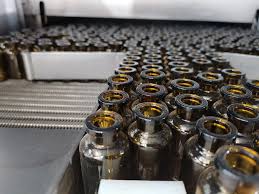
India is strengthening its pharmaceutical manufacturing capabilities as Aptar expands its Mumbai operations to 11,300 m², bringing local production of inhaler valves and nasal-spray delivery systems closer to regional drug manufacturers. The expansion represents an important development for pharmaceutical companies that depend on specialized components to manufacture reliable medicines.
For chemical traders, procurement managers and pharmaceutical buyers, the announcement highlights a broader shift towards regional manufacturing and more resilient supply chains. Drug-delivery components may represent only one part of a finished medicine, but their availability, quality and compatibility can influence production schedules and product launches.
Aptar's expanded facility adds molding capabilities to its existing assembly operations. The company will produce pressurized metered-dose inhaler valves, breath-actuated inhalation systems and multidose nasal-spray systems locally, strengthening its ability to serve customers across India and Southeast Asia.
The development also creates a useful opportunity for procurement teams to reassess supplier relationships, component sourcing strategies and regional manufacturing options as India's pharmaceutical sector continues to expand.
1. Aptar's Mumbai Expansion Strengthens India's Pharmaceutical Manufacturing Base
Aptar's expansion builds on its established presence in India and gives its Mumbai operations a broader manufacturing role. The increase to 11,300 m² combines existing assembly activities with additional molding capabilities, supporting a wider range of pharmaceutical delivery technologies.
The company established its commercial presence in Mumbai in 1998 and developed its local manufacturing operations over subsequent years. It established an assembly facility in Rabale in 2012, opened a Hyderabad manufacturing site in 2020 for consumer packaged goods applications and launched a pharmaceutical manufacturing site in Taloja in 2023.
The latest expansion extends this industrial foundation into additional inhalation and nasal-delivery technologies. It also reflects a strategy of placing more manufacturing capabilities closer to customers rather than relying exclusively on production facilities in distant markets.
Aptar inaugurated the expanded operations on October 5, 2026. The investment reinforces India's role within the company's global manufacturing network and strengthens its capacity to support pharmaceutical customers throughout the region.
For buyers, the key development is not simply the larger facility. It is the addition of local production capabilities that can give pharmaceutical manufacturers more options when planning component procurement and managing supply continuity.
2. Why Inhaler Valves and Nasal-Spray Systems Matter
Inhaler valves and nasal-spray systems perform essential functions in pharmaceutical drug-delivery products. Their design influences how a medicine leaves its container, how consistently the device delivers a dose and how effectively the delivery mechanism works with the drug formulation.
Three technologies form the core of Aptar's announced expansion:
Pressurized metered-dose inhaler (pMDI) valves: These components control the release of a measured quantity of medication from a pressurized inhaler. Consistent performance is important for products used in respiratory treatment.
Breath-actuated inhalation systems: These devices coordinate medication delivery with a patient's inhalation, helping align the delivery mechanism with the intended method of use.
Multidose nasal-spray systems: These devices allow patients to administer repeated doses from a single container, making them suitable for medicines that require multiple administrations.
Although these components do not constitute the active pharmaceutical ingredient, they remain important to finished-product performance. Manufacturers must consider the interaction between the formulation, container, closure and delivery mechanism when developing and producing inhaled or nasal medicines.
This relationship creates a specialized market for pharmaceutical-grade components. Suppliers must support consistent manufacturing quality, technical compatibility and the documentation required by pharmaceutical customers.
Local production can make supplier coordination easier, particularly when manufacturers need to discuss design specifications, production schedules or changes to component requirements. However, buyers must still assess the suitability of each component for the specific medicine and delivery system.
3. How Local Production Could Improve Regional Supply Resilience
Pharmaceutical manufacturers need dependable access to components throughout the production cycle. A delay in one critical part can disrupt assembly, packaging and distribution, even when the drug formulation and other materials remain available.
Aptar's expanded Mumbai manufacturing footprint supports a more localized supply model for customers in India and Southeast Asia. By adding production capabilities closer to regional demand, the company can improve its proximity to customers and strengthen its ability to respond to changing requirements.
Several potential benefits matter to procurement teams:
Closer supplier coordination: Regional production can make communication about forecasts, specifications and delivery schedules more direct.
More sourcing flexibility: Buyers may gain another manufacturing location to consider when reviewing supply arrangements for compatible components.
Improved planning opportunities: Local supplier engagement can help procurement teams coordinate orders with manufacturing schedules and expected demand.
Greater regional responsiveness: A manufacturing network closer to customers can support more agile responses to changing requirements, subject to available capacity and confirmed lead times.
These benefits do not automatically eliminate supply-chain risks. Buyers should continue to evaluate production capacity, inventory policies, transportation arrangements and contingency plans rather than assuming that a local facility guarantees uninterrupted supply.
The expansion nevertheless strengthens the regional manufacturing base available to pharmaceutical companies. It also reinforces the importance of treating critical delivery components as strategic procurement items instead of routine packaging purchases.
4. What the Expansion Means for Pharmaceutical Procurement
The introduction of local production changes the conversation procurement teams can have with suppliers. Instead of evaluating components solely through price and delivery terms, buyers can examine how manufacturing location, technical support and supply planning contribute to the total cost and reliability of production.
For pharmaceutical manufacturers, a procurement review should cover several practical areas.
Supplier qualification and technical approval
Buyers should establish whether locally produced components meet the specifications and quality requirements of the intended drug-delivery system. Any change in component source, design or manufacturing process must follow the manufacturer's applicable qualification and change-control procedures.
Lead times and order planning
Regional production may create opportunities to improve delivery coordination, but procurement teams should obtain confirmed lead times and production schedules. They should also assess minimum order quantities, order flexibility and the supplier's ability to accommodate demand fluctuations.
Inventory and continuity planning
Critical inhaler valves and nasal-spray components require appropriate inventory strategies. Buyers should identify which parts could stop production if supplies run short and determine suitable safety-stock levels based on actual consumption, replenishment times and business risk.
Commercial terms and supplier communication
Procurement managers should compare the full commercial offer, including component prices, freight, payment terms, quality documentation and any costs associated with qualification. Regular communication between purchasing, quality assurance and production teams can help identify potential problems before they affect manufacturing.
For importers and distributors, the expansion also creates a reason to review regional supplier portfolios. A closer manufacturing base may offer additional commercial opportunities, but buyers should establish exactly which products are available locally and under what supply conditions.
Quality Control and Regulatory Requirements for Drug-Delivery Components
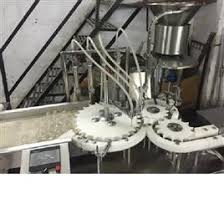
Pharmaceutical delivery devices must meet demanding quality expectations because their performance directly affects the administration of a medicine. Buyers therefore need to evaluate technical and regulatory suitability alongside commercial considerations.
For inhaler valves and nasal-spray systems, procurement and quality teams should pay particular attention to:
Dimensional consistency: Components must meet approved design specifications and fit correctly within the intended delivery device.
Material compatibility: Plastics, elastomers, metals and other materials must suit the formulation and intended conditions of use.
Dose-delivery performance: The assembled system must meet applicable performance requirements for its intended medicine and delivery route.
Documentation and traceability: Suppliers should provide appropriate specifications, batch records, quality documentation and traceability information.
Change management: Manufacturers need clear procedures for evaluating changes to materials, tooling, production processes or manufacturing locations.
Local manufacturing does not remove these requirements. Pharmaceutical customers must qualify the relevant components and ensure that any changes comply with applicable regulatory expectations and internal quality systems.
Procurement teams should involve quality assurance and technical specialists early in supplier discussions. This approach can prevent commercial decisions from creating qualification delays or introducing avoidable risks into established production processes.
6. India's Growing Role in the Regional Pharmaceutical Supply Chain
India offers pharmaceutical manufacturers a substantial industrial base, established manufacturing expertise and an expanding healthcare market. Investment in production infrastructure can help companies serve domestic demand while developing stronger links with customers across Southeast Asia.
Aptar's Mumbai expansion fits into this wider pattern. The company has progressively developed its local presence, moving from assembly operations to a broader network of manufacturing capabilities across pharmaceutical and consumer product applications.
The additional molding capability is particularly relevant because it broadens the range of activities performed at the Mumbai site. Bringing more manufacturing steps into a regional facility can support closer coordination between component production and assembly, although the actual operational benefits depend on capacity, process integration and customer requirements.
For regional buyers, the development provides a useful signal when assessing the long-term direction of pharmaceutical component sourcing. Suppliers that invest in local manufacturing may become more relevant to companies seeking responsive service and a broader regional supplier base.
Importers and exporters should also distinguish between local manufacturing capability and actual product availability. Before changing purchasing arrangements, they should confirm which components the facility produces, whether those products have completed customer qualification and which markets the supplier can serve.
7. Opportunities for Chemical Traders and Industrial Suppliers
The expansion creates a broader discussion around the materials and supporting supply chains required for pharmaceutical delivery devices. Manufacturing inhaler valves and nasal-spray systems involves precision components, engineered polymers, selected elastomers and other materials chosen for performance and compatibility.
For chemical traders, this type of industrial investment highlights the importance of understanding the downstream applications of materials rather than relying only on commodity demand trends. Suppliers serving pharmaceutical manufacturing may need to meet tighter requirements for consistency, documentation and traceability than buyers expect in less regulated applications.
Potential areas of commercial relevance include:
Specialty polymer sourcing: Manufacturers may require polymers with defined mechanical properties, processability and suitability for the intended pharmaceutical application.
Supporting material supply: Production operations depend on reliable access to approved materials and other manufacturing inputs.
Quality-focused distribution: Traders that maintain strong documentation, batch traceability and dependable logistics can better support manufacturers with demanding procurement requirements.
Regional supply partnerships: Suppliers with reliable regional distribution networks may help customers manage replenishment and coordinate orders more efficiently.
These opportunities do not mean every general-purpose chemical is suitable for pharmaceutical delivery components. Material selection depends on engineering requirements, regulatory considerations and the specific design of the finished device.
Chemical suppliers seeking to serve this market should focus on customer qualification, consistent product specifications and long-term supply reliability. Building relationships with technical and procurement teams can also help suppliers understand material requirements before customers finalize sourcing decisions.
8. What Buyers Should Do Now as Local Manufacturing Expands
Aptar's expansion gives pharmaceutical manufacturers and procurement teams a practical reason to revisit their sourcing strategies for inhalation and nasal-delivery components. The most useful response is to evaluate the new regional capability against existing supply arrangements rather than making assumptions based on the facility's size alone.
Buyers should consider the following actions:
1. Review existing sourcing arrangements. Identify critical inhaler valves and nasal-spray components that currently depend on distant manufacturing locations or lengthy replenishment cycles.
2. Contact suppliers about local availability. Confirm which products the Mumbai facility can supply, applicable lead times and whether the relevant components are available for the intended application.
3. Assess qualification requirements. Coordinate with technical and quality teams to determine what testing, documentation and approvals a change in component source would require.
4. Compare total procurement costs. Evaluate product pricing, freight, inventory carrying costs, order flexibility and potential disruption costs rather than focusing exclusively on unit price.
5. Strengthen contingency planning. Determine how alternative manufacturing locations, safety stocks and supplier communication procedures could reduce exposure to unexpected interruptions.
6. Monitor regional demand and supplier investment. Track further manufacturing developments that could create additional sourcing choices or affect competition among qualified suppliers.
For chemical traders, the same development reinforces the value of supplying materials that meet demanding technical requirements and supporting customers with reliable delivery and documentation. For pharmaceutical manufacturers, the priority remains a dependable supply of qualified components that perform consistently in finished drug-delivery products.
India's expanding pharmaceutical manufacturing capabilities could strengthen regional sourcing options over time. Aptar's enlarged Mumbai site represents a concrete step in that direction, combining additional production capabilities with a broader commitment to serving pharmaceutical customers closer to their markets.

Polyethylene Terephthalate (PET)
Found this useful?