India Positions Itself as the World's Next Great Chemical Manufacturing Hub
India Positions Itself as the World's Next Great Chemical Manufacturing Hub
Introduction
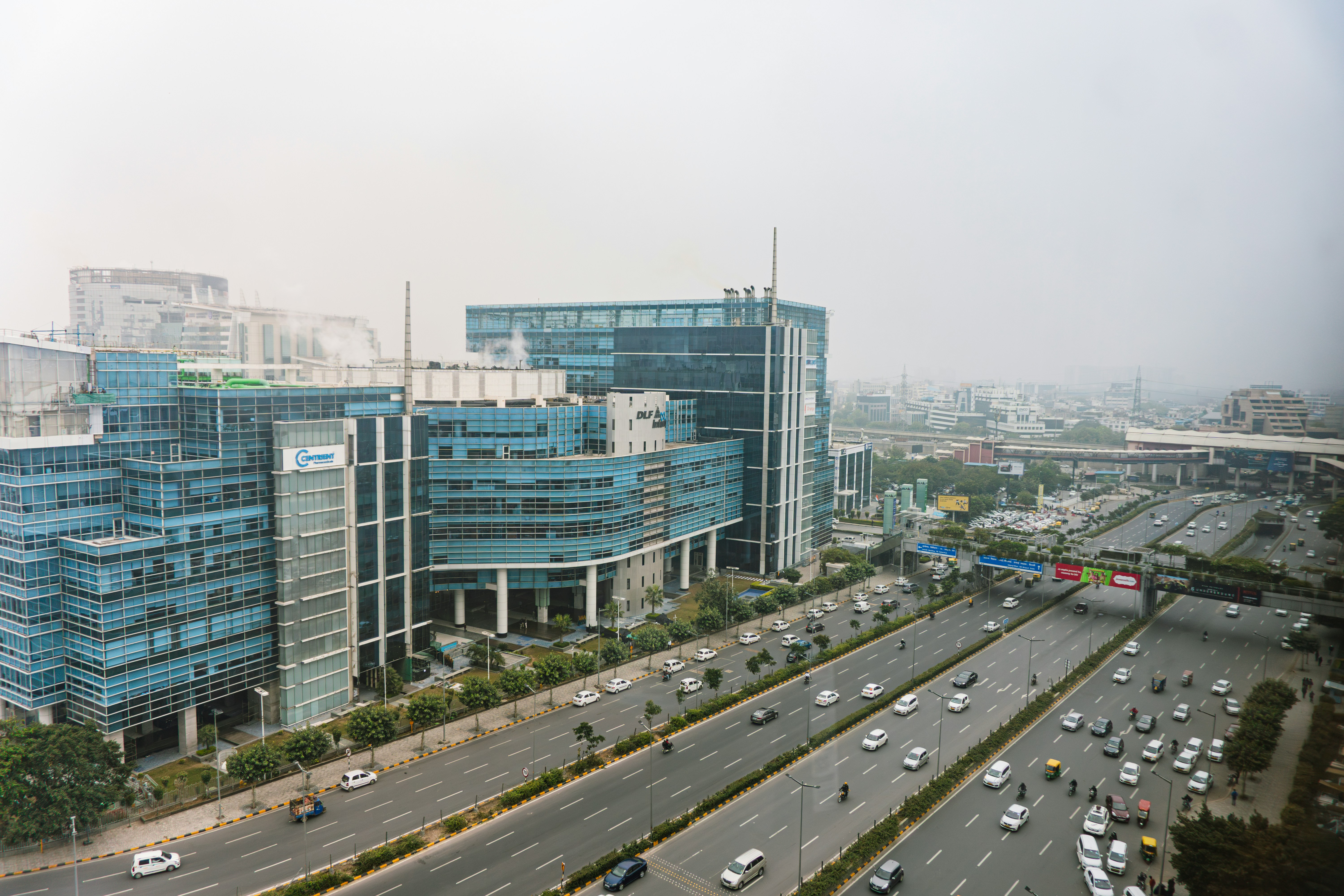
India is rapidly emerging as one of the world's most attractive destinations for chemical manufacturing. Supported by government initiatives, expanding industrial infrastructure, a skilled workforce, and increasing global demand for diversified supply chains, the country is positioning itself as a strong alternative to traditional manufacturing hubs.
As multinational companies seek to reduce dependence on a single sourcing region, India is attracting significant investment across specialty chemicals, petrochemicals, agrochemicals, pharmaceuticals, and performance materials. For procurement leaders and chemical buyers, this shift presents new opportunities for supplier diversification, cost optimization, and long-term supply chain resilience.
Why India Is Gaining Global Attention
India's chemical sector has experienced steady growth over the past decade, driven by rising domestic demand and export expansion. Several structural advantages continue to strengthen its global competitiveness.
Key growth drivers include:
Competitive manufacturing costs.
A large pool of skilled engineers and technical professionals.
Strong government support through industrial development policies.
Expanding chemical parks and industrial corridors.
Improved logistics and port infrastructure.
Growing investment from global chemical companies.
These advantages are helping India become a preferred destination for both manufacturing and international sourcing.
The Shift Toward Supply Chain Diversification
Global manufacturers are increasingly adopting a "China Plus One" strategy to reduce supply chain risks and improve business continuity.
India is well-positioned to benefit from this trend because it offers:
A rapidly expanding manufacturing ecosystem.
Access to large domestic and international markets.
Competitive production capabilities.
Strong research and development potential.
An improving regulatory and business environment.
Rather than replacing existing suppliers entirely, many companies are using India to build more diversified and resilient supplier networks.
Key Chemical Segments Driving Growth
India is expanding production across multiple high-value chemical sectors.
Specialty Chemicals
Demand for specialty chemicals continues to grow across industries such as automotive, electronics, construction, personal care, and water treatment.
Agrochemicals
India is a major producer and exporter of crop protection chemicals, serving agricultural markets around the world.
Pharmaceuticals and APIs
The country remains one of the largest manufacturers of pharmaceutical ingredients and continues investing in healthcare-related chemical production.
Petrochemicals
Large investments in refining and petrochemical complexes are increasing domestic production capacity for essential industrial feedstocks.
Performance Chemicals
Advanced materials used in coatings, adhesives, polymers, and industrial applications are becoming an increasingly important part of India's export portfolio.
Challenges India Must Address
Although the outlook is positive, India still faces several challenges that could influence future growth.
These include:
Infrastructure gaps in some industrial regions.
Dependence on imported raw materials for certain products.
Environmental compliance and sustainability requirements.
Rising energy costs.
Increasing global competition from other emerging manufacturing economies.
Addressing these challenges will be essential for sustaining long-term competitiveness.
What This Means for Procurement Teams
As India's manufacturing capabilities expand, procurement professionals should evaluate new sourcing opportunities while maintaining robust supplier qualification processes.
Recommended strategies include:
Diversify Approved Suppliers
Develop supplier networks across multiple countries to reduce operational risk.
Evaluate Total Landed Cost
Consider manufacturing costs, freight, duties, inventory, and logistics—not just product pricing.
Conduct Supplier Audits
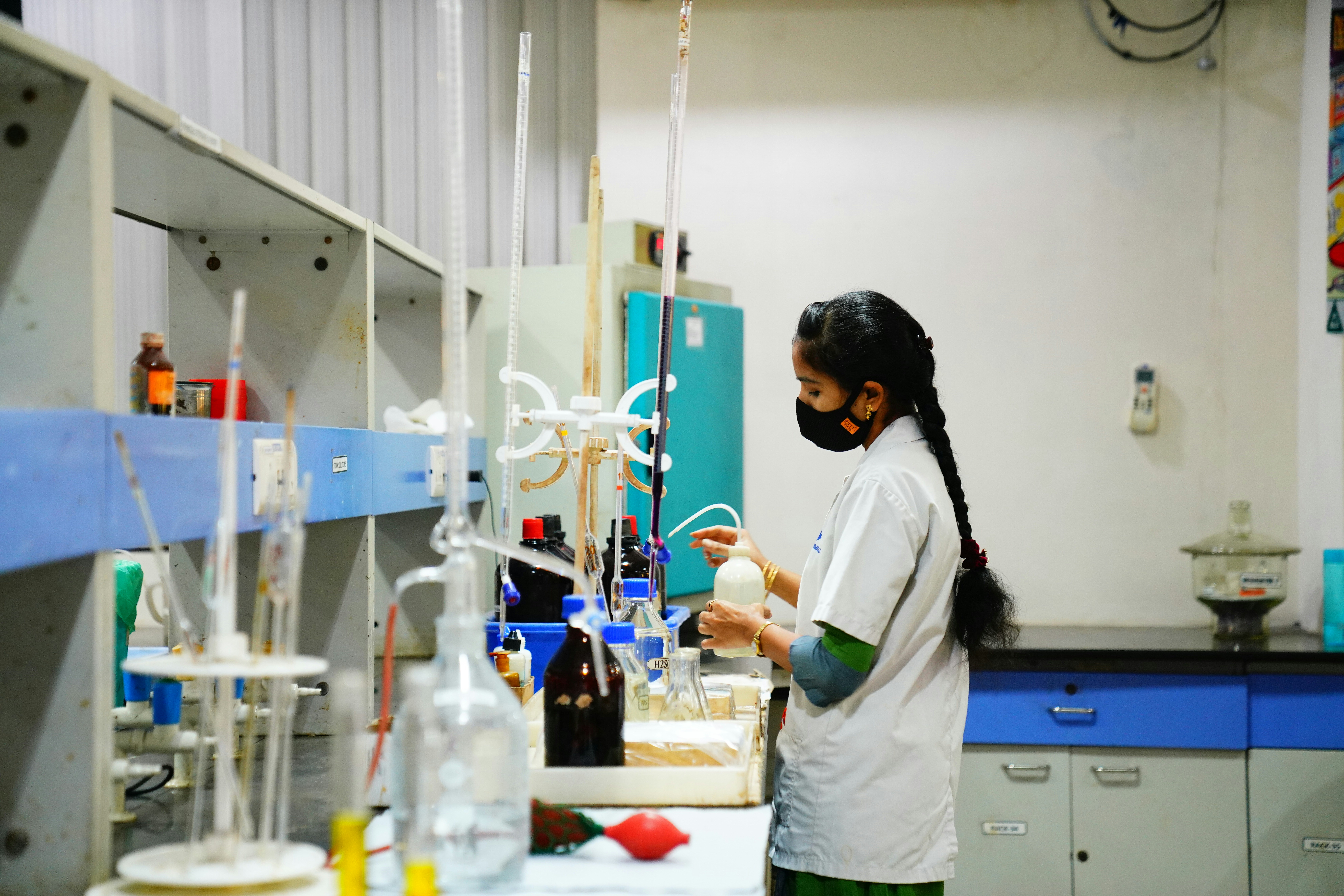
Verify manufacturing capabilities, quality systems, certifications, and regulatory compliance before onboarding new suppliers.
Monitor Capacity Expansion
Track investments in new chemical plants and industrial parks that may create future sourcing opportunities.
Build Long-Term Partnerships
Strategic relationships with reliable Indian manufacturers can improve supply stability and support future growth.
Opportunities for Global Chemical Buyers
India's continued industrial expansion offers several advantages for international procurement organizations:
Greater supplier diversity.
Increased competition leading to better pricing.
Access to high-quality specialty chemical manufacturers.
Reduced geopolitical concentration risk.
Improved supply chain resilience through regional sourcing.
Organizations that begin evaluating Indian suppliers today may gain a competitive advantage as manufacturing capacity continues to expand.
Conclusion
India is steadily positioning itself as one of the world's leading chemical manufacturing hubs. Backed by industrial investment, policy support, and a growing manufacturing ecosystem, the country is becoming an increasingly important player in global chemical supply chains.
While challenges remain, India's long-term growth prospects are attracting global attention from manufacturers, investors, and procurement teams alike. Businesses that proactively diversify their sourcing strategies and build strong supplier partnerships in India will be better equipped to manage risk, improve supply chain resilience, and capitalize on emerging market opportunities in the years ahead.
2-Ethyl Hexanol
Found this useful?