
India’s Chemical Market: Working Capital, Festival Demand and Export Outlook
India’s chemical market is entering a period in which cash-flow discipline, seasonal purchasing patterns and export competitiveness matter as much as production capacity. For chemical manufacturers, distributors and international buyers, the challenge is to maintain reliable supply while managing changing customer payment cycles, inventory costs and overseas demand.
India’s chemical industry produced approximately 58.6 million tonnes of major chemicals and petrochemicals in FY2024-25, according to government data. The sector also benefits from a broad manufacturing base serving agriculture, textiles, pharmaceuticals, construction, consumer goods and other industrial markets.
As businesses navigate the 2026-27 financial year, working capital management and festive-season planning deserve closer attention. Companies that align procurement with actual demand, protect liquidity and prepare export orders early can improve operational resilience without tying up excessive funds in stock.
Working Capital: The Financial Pressure Behind Chemical Trading
Chemical trading often requires businesses to pay suppliers before they receive payment from customers. Importers may also need to cover freight, insurance, customs duties, port handling and warehouse expenses before they can sell the goods.
These costs create a working capital challenge, particularly for small and medium-sized distributors. Even when a product generates a reasonable trading margin, delayed customer payments or slow-moving inventory can leave a business short of cash for its next purchase.
Three factors commonly influence working capital requirements in India's chemical market:
Supplier payment terms: Manufacturers may require advance payment, a deposit or payment before dispatch, while distributors negotiate credit periods with downstream customers.
Inventory holding periods: Businesses need enough stock to meet customer demand, but excess inventory increases storage expenses and locks funds into products that may sell slowly.
Customer collection cycles: Buyers in industrial sectors may seek extended credit, creating a gap between the date a distributor pays for chemicals and the date it receives sales revenue.
Chemical traders can reduce this pressure by negotiating payment schedules that better match their sales cycles. They should also review overdue invoices regularly and distinguish between products that generate frequent repeat orders and those that require longer storage periods.
Festival Demand and Seasonal Purchasing Patterns
India's festive season can influence demand across several downstream industries. Higher household consumption may support activity in detergents, personal care, packaging, paints and selected consumer goods, while food processing and related industries may adjust production schedules to prepare for seasonal sales.
These changes can affect demand for chemical ingredients and industrial raw materials. Surfactants, solvents, polymers, acids and other inputs may experience different purchasing patterns depending on the applications they serve and the production schedules of their customers.
However, festival demand does not affect every chemical category equally. A detergent ingredient may benefit from higher production of household cleaning products, while an industrial chemical used in a specialised manufacturing process may follow a procurement cycle driven mainly by customer orders and factory utilisation.
Procurement teams should therefore avoid treating the festive season as a universal signal to increase inventory. Instead, they can examine previous sales patterns, confirm upcoming customer requirements and check supplier lead times before placing larger orders.
A practical seasonal purchasing plan should include:
Historical sales data for the same period in previous years, where available.
Confirmed orders and credible demand forecasts from downstream customers.
Supplier production schedules and expected delivery times.
Storage capacity, shelf life and any product-specific handling requirements.
Cash reserves for freight, unexpected delays and changes in selling prices.
This approach helps companies prepare for genuine demand without creating avoidable inventory pressure after the season ends.
Inventory Planning and the Cost of Holding Stock
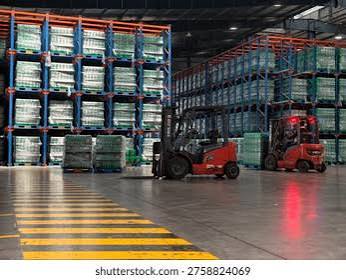
Inventory decisions connect working capital directly with seasonal demand. A business that purchases too little may miss customer orders, while a business that purchases too much may face high carrying costs and slower cash recovery.
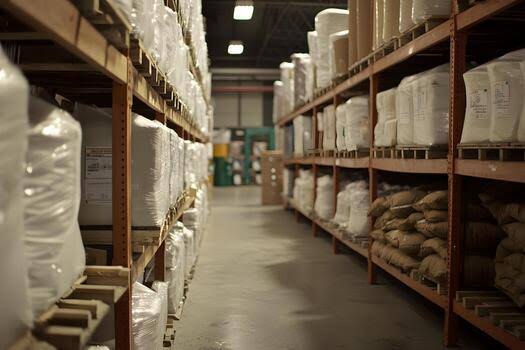
Chemical inventory also presents product-specific challenges. Some materials require controlled storage conditions, segregation from incompatible substances or additional safety measures, while other products need protection from moisture, contamination or temperature fluctuations.
Companies should classify inventory according to sales frequency, supply risk and business importance. High-turnover materials with predictable demand may justify regular replenishment, whereas expensive or slow-moving products may be better purchased against confirmed orders.
Export Outlook: Opportunities for Indian Chemical Suppliers
India's chemical export sector gives manufacturers and traders access to a wide range of international customers. Export categories include organic and inorganic chemicals, dyes and dye intermediates, agrochemicals, specialty chemicals and other industrial materials.
The India Brand Equity Foundation reports that exports of chemicals and allied products reached approximately US$20.54 billion in FY2025-26. India also supplies chemical products to markets across more than 175 countries, giving exporters a broad base of potential trading partners.
The opportunity extends beyond supplying large multinational manufacturers. Overseas distributors, regional importers and smaller industrial buyers may also need dependable sources of raw materials, particularly when they want to diversify suppliers or improve supply continuity.
Several factors can shape export performance:
International demand: Purchasing activity in agriculture, construction, textiles, home care and manufacturing influences orders for different chemical categories.
Price competitiveness: Raw material costs, energy expenses, exchange rates and freight charges all affect the final landed cost for overseas buyers.
Product consistency: Buyers often require reliable specifications, batch documentation and quality controls before they approve a supplier.
Delivery reliability: Port capacity, container availability and shipping schedules can influence whether an exporter meets a customer's production timeline.
Exporters should evaluate each destination according to its demand profile, logistics costs and product-specific import requirements. A market with strong demand may still offer limited commercial value if freight, compliance expenses or payment risks reduce the achievable margin.
Managing Export Orders Without Straining Liquidity
Export growth can increase working capital requirements even when a business has a healthy order book. Manufacturers may need to purchase raw materials, schedule production, prepare export documentation and arrange shipping before receiving the full payment for a shipment.
Longer transit times can extend the period between production expenditure and cash collection. Currency movements and unexpected freight costs may create further pressure when exporters agree to prices well before dispatch.
Businesses can manage these risks by establishing clear commercial terms before confirming an order. Payment milestones, credit limits, delivery responsibilities and procedures for handling specification disputes should be agreed upon in advance.
For export procurement and sales teams, useful measures include:
Review payment risk: Assess a new buyer's payment history and agree on terms that reflect the commercial relationship and order size.
Calculate the complete export cost: Include packaging, inland transport, port charges, documentation, freight, insurance and financing expenses where applicable.
Match purchases to confirmed orders: Avoid committing excessive funds to raw materials based solely on an uncertain export forecast.
Plan currency exposure: Consider how exchange-rate changes could affect the margin between purchasing inputs and receiving export revenue.
Maintain shipment visibility: Track production readiness, document preparation and logistics milestones to identify delays before they disrupt delivery.
These measures help businesses pursue export opportunities while protecting the liquidity required to fulfil existing customer commitments.
India's Chemical Market: Competition, Costs and Supplier Selection
India's position in global chemical manufacturing creates opportunities for both domestic buyers and international procurement teams. Nevertheless, suppliers compete on more than headline prices, particularly when customers need consistent quality and dependable delivery.
The National Institution for Transforming India, or NITI Aayog, has highlighted infrastructure gaps, logistics costs and the need for stronger domestic manufacturing capabilities among the issues affecting the industry's competitiveness.
For buyers, supplier selection should therefore consider the total cost of procurement rather than the quoted price alone. A lower initial price may provide limited value if a supplier cannot meet the agreed specification, maintain stock availability or deliver within the required timeframe.
Procurement managers can compare suppliers using a consistent set of criteria:
Product specifications, purity requirements and applicable quality certificates.
Minimum order quantities, available stock and production lead times.
Packaging suitability and the ability to meet transport and storage requirements.
Payment terms, order flexibility and the supplier's ability to support repeat purchases.
Documentation, traceability and compliance with applicable destination-market requirements.
A structured comparison also helps companies identify where a local supplier may offer better delivery flexibility and where an overseas supplier may offer a stronger price or a specialised grade.
What Procurement Teams Should Prioritise for 2026-27
The next phase of India's chemical market will reward businesses that connect sales forecasts with cash-flow planning and supplier performance. Companies do not need to predict every market movement, but they do need clear procedures for responding to changing orders, delayed shipments and unexpected costs.
A focused procurement strategy should prioritise four actions.
First, forecast demand using customer evidence. Combine historical sales with current orders and customer discussions to estimate seasonal requirements. Separate confirmed demand from speculative opportunities so that purchasing decisions reflect the level of certainty.
Second, protect liquidity. Review receivables, inventory turnover and supplier payment terms together. A business that monitors these measures can identify cash-flow pressure earlier and make more informed decisions about purchase quantities.
Third, strengthen supplier relationships. Maintain alternative sources for important materials, verify product documentation and discuss lead times before demand increases. Reliable supplier communication can reduce the risk of urgent, expensive purchases.
Fourth, develop export opportunities selectively. Identify markets where product specifications, logistics costs and customer requirements align with the company's capabilities. Start with commercially viable opportunities rather than expanding into multiple markets without adequate financial and operational support.
India's chemical market offers opportunities across domestic manufacturing, distribution and international trade. Businesses that balance festive-season demand with disciplined inventory management and realistic export planning will be better positioned to maintain supply continuity and protect their margins.
For buyers seeking dependable industrial raw materials, supplier quality, competitive pricing and reliable fulfilment should remain central to every purchasing decision.
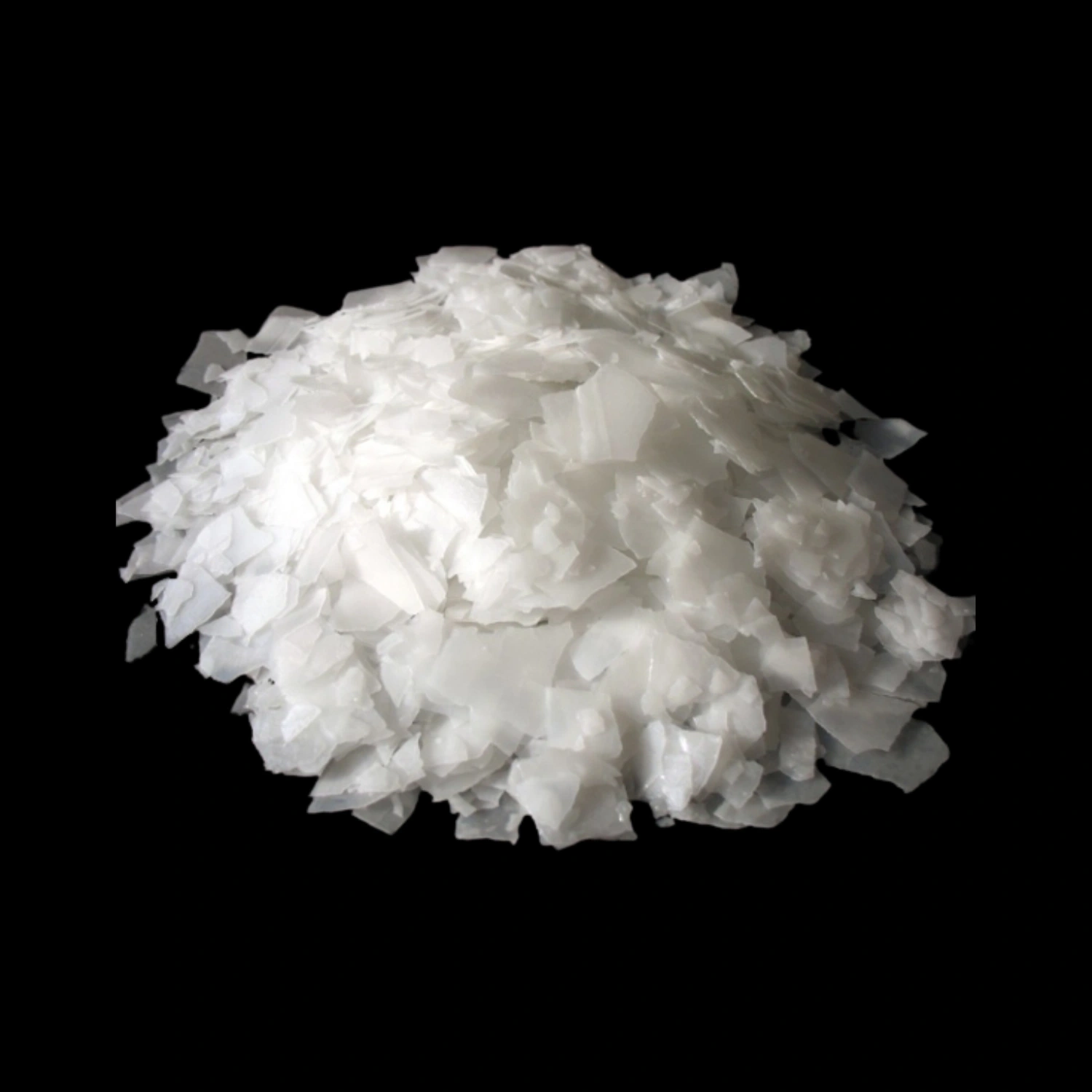
Caustic Soda Flakes
SOURCE LINK: https://chemicals.gov.in/
Found this useful?