India's Specialty Chemicals Industry: Growth & Trade
India's Specialty Chemicals Sector: An Emerging Global Manufacturing Hub
India's specialty chemicals sector is becoming an increasingly important part of the global chemical industry. Supported by expanding manufacturing capabilities, skilled professionals, growing domestic consumption and competitive production costs, the country is attracting attention from international buyers and chemical manufacturers.
Specialty chemicals are high-value products designed for specific industrial applications. Unlike bulk chemicals, which are generally produced in large quantities, specialty chemicals often require advanced formulations, technical expertise and application-specific performance.
India manufactures a diverse range of specialty products, including dyes and pigments, agrochemicals, surfactants, construction chemicals, textile chemicals, flavours, fragrances and pharmaceutical intermediates.
According to NITI Aayog's 2025 report, India's chemical industry was valued at approximately US$200–220 billion in FY2025 and is expected to grow at 6–8% annually over the following five fiscal years. The specialty chemicals segment is an important contributor to this development, creating opportunities for domestic manufacturers and international trade.
Key Growth Drivers of India's Specialty Chemicals Industry
Several economic, industrial and technological developments are supporting the expansion of India's specialty chemicals market.
1. Increasing Domestic Industrial Demand
Growing demand from end-use industries is one of the strongest drivers of specialty chemicals production in India.
Industries such as automotive, construction, agriculture, pharmaceuticals, textiles, electronics and personal care require specialized chemical ingredients for manufacturing and processing.
For example, construction companies use specialty additives in paints, coatings, adhesives and concrete formulations. Similarly, personal care manufacturers depend on surfactants, emulsifiers and specialty ingredients to develop consumer products.
As industrialization and urbanization continue, demand for application-specific chemicals is expected to create further opportunities for Indian manufacturers.
2. Global Supply Chain Diversification
International companies are increasingly evaluating alternative sourcing destinations to reduce dependence on individual manufacturing markets.
India has the opportunity to benefit from the China+1 sourcing strategy, under which global companies diversify their supply chains by developing additional manufacturing and procurement relationships outside China.
Indian manufacturers can strengthen their position by offering competitive pricing, consistent product quality, reliable delivery schedules and international regulatory compliance.
This shift could create opportunities in agrochemicals, dyes and pigments, specialty polymers, pharmaceutical intermediates and industrial additives.
3. Manufacturing Investments and Government Support
Government initiatives supporting domestic manufacturing, infrastructure development and industrial investment are contributing to the sector's long-term potential.
Policies and initiatives related to chemical manufacturing clusters, Petroleum, Chemicals and Petrochemicals Investment Regions (PCPIRs), and industrial infrastructure can encourage investment in production facilities.
The development of integrated chemical manufacturing locations can also improve access to raw materials, utilities, transportation and logistics services.
Such investments may help Indian manufacturers expand production capacity and improve their competitiveness in international markets.
4. Research, Development and Product Innovation
Specialty chemicals require continuous research and product development because customers often demand customized formulations and specific technical properties.
Indian manufacturers are increasingly focusing on process optimization, advanced formulations, product innovation and improved manufacturing efficiency.
Research and development can help companies develop higher-value products, reduce production costs and meet changing customer requirements.
Major Specialty Chemical Segments Creating Market Opportunities
India's specialty chemicals industry covers several product categories with strong industrial and international applications.
Agrochemicals
Agrochemicals, including pesticides, herbicides, fungicides and crop protection intermediates, are important products within India's specialty chemicals sector.
Growing agricultural requirements and international demand for crop protection solutions create opportunities for Indian manufacturers.
Exporters can strengthen their market position by focusing on product quality, regulatory approvals and compliance with destination-market requirements.
Dyes and Pigments
India has established manufacturing capabilities in dyes, pigments and dye intermediates.
These products are widely used in textiles, paints, printing inks, plastics, coatings and other industrial applications.
International demand for colourants and specialized formulations provides opportunities for Indian suppliers to expand their export activities.
Surfactants and Personal Care Ingredients
Surfactants are essential ingredients in detergents, cleaning products, cosmetics and personal care formulations.
Growing consumer demand for household cleaning and personal care products is supporting the need for specialized ingredients.
Manufacturers producing biodegradable surfactants, specialty emulsifiers and performance-based formulations may benefit from changing customer preferences.
Construction Chemicals and Coatings
Infrastructure development and increasing construction activity are creating demand for specialty chemicals used in buildings and industrial applications.
Products such as waterproofing chemicals, concrete admixtures, protective coatings, sealants and industrial adhesives are important components of this segment.
Manufacturers that develop durable and environmentally responsible formulations may find opportunities in both domestic and overseas markets.
Pharmaceutical and Fine Chemicals
Pharmaceutical intermediates and fine chemicals are important inputs for pharmaceutical manufacturing.
India's established pharmaceutical industry creates demand for specialized chemical ingredients, intermediates and advanced manufacturing materials.
Suppliers that maintain consistent quality, traceability and appropriate regulatory standards can strengthen their position in international pharmaceutical supply chains.
India's Global Trade and Export Potential
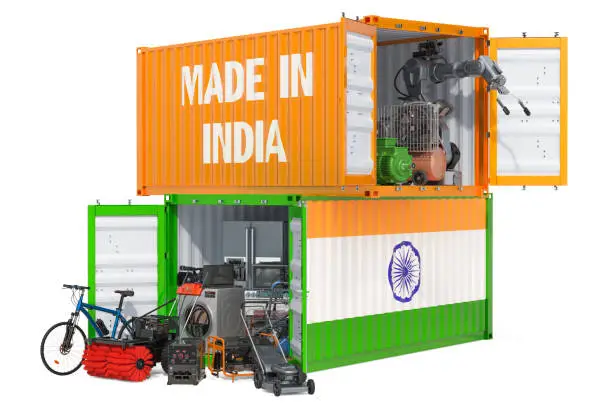
International trade is a major opportunity for India's specialty chemicals sector. Indian manufacturers already supply chemical products to multiple international markets, supported by established manufacturing capabilities and export infrastructure.
According to India Brand Equity Foundation (IBEF), India's total chemical exports reached approximately US$20.6 billion in FY2026, covering more than 175 countries. This figure includes a broader range of chemicals and should not be interpreted as specialty chemicals exports alone.
Important Export Markets
Indian chemical manufacturers have opportunities to expand their international presence across several regions:
Europe: Demand for specialty ingredients, dyes, pigments and industrial chemical formulations creates opportunities for compliant Indian suppliers.
North America: Specialty chemicals used in pharmaceuticals, agriculture, coatings and industrial manufacturing offer potential sourcing opportunities.
Southeast Asia: Growing manufacturing activities create demand for industrial chemicals, textile ingredients and agrochemical products.
Middle East: Construction, infrastructure, oil and gas, and industrial development support demand for specialty chemical products.
Africa: Expanding agricultural and industrial activities create opportunities for fertilizers, agrochemicals and other chemical inputs.
Improving Export Competitiveness
To compete effectively in international markets, Indian manufacturers must focus on product consistency, competitive pricing, reliable logistics and compliance with international standards.
Documentation such as Safety Data Sheets (SDS), Certificates of Analysis (COA), product specifications and relevant certifications is essential for building trust with international buyers.
Trade agreements and improved market access can also support export growth by reducing trade barriers and strengthening commercial relationships.
Challenges Facing India's Specialty Chemicals Sector
Despite its growth potential, India's specialty chemicals industry faces several challenges that could influence its international competitiveness.
Raw Material Dependency: Some manufacturers depend on imported chemical intermediates, feedstocks and specialized raw materials. Price fluctuations and supply disruptions can increase production costs.
Global Competition: Indian manufacturers compete with established chemical producers in China, Europe, the United States and other manufacturing regions. Excess global capacity and aggressive pricing can put pressure on profit margins.
Regulatory Compliance: Exporters must meet different environmental, chemical safety, registration and documentation requirements across international markets. Compliance can increase operational costs, particularly for smaller manufacturers.
Infrastructure Limitations: Access to reliable utilities, transportation, ports and integrated chemical manufacturing facilities remains important for improving production and export efficiency.
Research and Development: Developing advanced specialty chemicals requires investment in technology, skilled professionals and product innovation. Limited research capabilities can restrict the development of higher-value products.
Sustainability and the Future of Specialty Chemicals in India
Sustainability is becoming an increasingly important consideration for chemical manufacturers and international buyers.
Indian companies are exploring cleaner manufacturing technologies, energy-efficient processes, waste reduction and environmentally responsible formulations.
Green chemistry, bio-based raw materials, biodegradable surfactants and chemical recycling are among the areas receiving growing industry attention.
Digitalization is another important development. Artificial intelligence, process automation and digital supply chain systems can help manufacturers improve production planning, quality control and procurement efficiency.
Companies that combine technological innovation with sustainable manufacturing practices may gain a competitive advantage as international customers increasingly evaluate suppliers based on environmental performance.
What International Buyers Should Consider When Sourcing from India
India offers international buyers access to a broad selection of specialty chemicals and manufacturing suppliers. However, selecting the right supplier requires careful evaluation.
Businesses involved in international chemical procurement should consider the following factors:
Supplier verification: Check manufacturer credentials, production capabilities and relevant certifications.
Product specifications: Verify CAS numbers, purity, grade, composition and technical requirements.
Quality assurance: Request product samples, Certificates of Analysis and relevant quality documentation.
Regulatory requirements: Confirm that products comply with the chemical regulations of the importing country.
Logistics and delivery: Evaluate shipping arrangements, lead times, packaging and transportation costs.
Price comparison: Compare quotations while considering product quality, minimum order quantities and total landed costs.
Digital B2B chemical marketplaces can also simplify supplier discovery, product comparisons and international sourcing by connecting buyers with manufacturers and distributors.
India's Specialty Chemicals Industry: Outlook and Future Opportunities
India's specialty chemicals sector has considerable potential to strengthen its position in global chemical manufacturing and trade. Growing industrial demand, supply chain diversification, manufacturing investments and increasing focus on product innovation are creating opportunities across multiple chemical segments.
However, long-term growth will depend on the industry's ability to address raw material dependency, infrastructure limitations, regulatory challenges and international competition.
According to NITI Aayog's 2025 report, India has identified a target of US$45 billion in specialty chemical exports by 2030 as part of its broader chemical industry development roadmap. Achieving this ambition will require investment in advanced manufacturing, research and development, infrastructure and international market access.
For global buyers, distributors and chemical manufacturers, India represents an increasingly important sourcing and business destination.
TradeChem Perspective: India's specialty chemicals sector offers promising opportunities for international chemical procurement and supplier diversification. Businesses that monitor emerging product segments, verify supplier capabilities and understand global trade requirements can build stronger sourcing strategies and benefit from India's expanding role in the global chemical supply chain.
Source Links
NITI Aayog – Chemical Industry: Powering India's Participation in Global Value Chains
India Brand Equity Foundation (IBEF) – India's Chemicals and Petrochemicals Industry
ICRA – Domestic-Led Volume Recovery Supports Growth; Global Overcapacity Caps Prices
Department of Chemicals and Petrochemicals – Government of India
Press Information Bureau – NITI Aayog's Chemical Industry Report

Acrylic Acid (Industrial) - India
Found this useful?