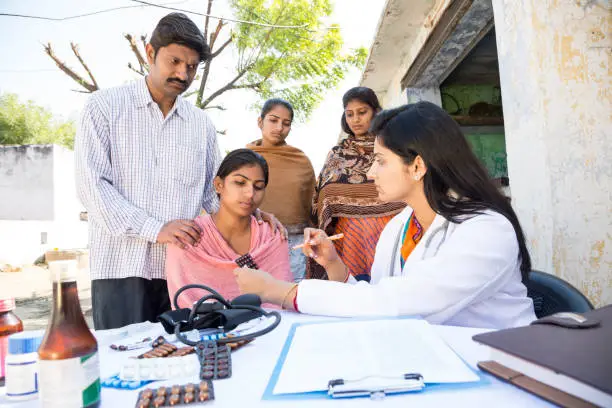
India's Domestic Anti-Cancer Drug Pipeline Continues Building Toward Clinical Milestones

India's Domestic Anti-Cancer Drug Pipeline Continues Building Toward Clinical Milestones
Introduction
India’s pharmaceutical industry is continuing to expand its focus on domestic anti-cancer drug development, with companies and research organizations advancing candidates toward clinical evaluation. The growing pipeline reflects increasing investment in oncology research, drug discovery, clinical development, and specialized manufacturing capabilities.
As cancer remains a major healthcare challenge, the development of locally researched and developed therapies could strengthen India’s ability to address domestic treatment needs while also creating opportunities for participation in the global oncology market.
Building a Domestic Oncology Pipeline
India has traditionally been recognized as a major pharmaceutical manufacturing and generic-drug hub. However, the industry is increasingly moving toward higher-value research and development, including innovative oncology medicines.
Domestic companies are exploring a range of approaches, including:
Targeted cancer therapies
Immunotherapies
Novel small-molecule drugs
Biosimilars and complex biologics
Combination treatments
Therapies aimed at specific cancer subtypes
The progression of these candidates toward clinical milestones indicates a broader shift from manufacturing established medicines toward developing new therapeutic options.
Clinical Milestones Are Critical
Moving an anti-cancer candidate from laboratory research into clinical development is a significant achievement. Before a potential therapy can reach patients, developers generally need to establish appropriate evidence regarding its safety, tolerability, dosage, pharmacological characteristics, and potential efficacy.
Early clinical milestones can help companies determine whether a candidate warrants further investment and larger trials.
However, reaching clinical development does not guarantee eventual approval. Oncology candidates face multiple stages of testing and regulatory review before they can become commercially available treatments.
Importance of Domestic Drug Development
A stronger domestic oncology pipeline could provide several benefits for India’s pharmaceutical ecosystem.
Local development can encourage investment in research laboratories, clinical-trial infrastructure, specialized manufacturing, biotechnology, and regulatory expertise. It can also create opportunities for collaboration between pharmaceutical companies, biotechnology firms, hospitals, universities, contract research organizations, and CDMOs.
Over time, these capabilities could contribute to a more integrated domestic drug-development ecosystem.
Oncology Development and Unmet Medical Needs
Cancer treatment remains highly complex because different cancers can respond differently to therapies, and treatment requirements can vary according to disease stage and patient characteristics.
New drug candidates are therefore important not simply because they add products to the market, but because they may address areas where existing treatment options have limitations.
For Indian developers, understanding the country's specific disease burden and healthcare requirements could also support the development of therapies designed for relevant patient populations and treatment environments.
Role of India's CDMO and Manufacturing Ecosystem
The expansion of domestic oncology research is closely connected with India's growing contract development and manufacturing capabilities.
Clinical-stage drug candidates require reliable manufacturing, analytical testing, formulation development, quality systems, and eventually scalable production. Domestic CDMOs can provide these services while allowing smaller pharmaceutical and biotechnology companies to advance programs without building every capability internally.
This connection between drug discovery, clinical development, and domestic manufacturing could become increasingly important as more Indian oncology candidates progress through development.
Regulatory Pathway
Regulatory submissions represent important milestones in the progression of an oncology candidate. Developers must provide regulators with appropriate information on the investigational product, proposed clinical studies, manufacturing processes, quality controls, and available safety data.
A regulatory filing or clinical-trial authorization should not be confused with marketing approval. Rather, it represents another step in the process of generating evidence required for eventual regulatory assessment.
Successful progression through each stage will depend on clinical results, safety findings, manufacturing consistency, and compliance with applicable regulatory requirements.
Challenges Ahead
Despite the growing pipeline, oncology drug development remains a high-risk and capital-intensive process.
Developers may face challenges involving:
Clinical-trial recruitment
High research and development costs
Complex trial design
Patient safety and monitoring
Manufacturing scale-up
Regulatory requirements
Intellectual property protection
Commercialization and market access
A promising candidate can still face delays or discontinuation if clinical data fail to demonstrate sufficient safety or therapeutic benefit.
Strategic Implications for India's Pharmaceutical Industry
The continued development of domestic anti-cancer medicines could strengthen India's position beyond its traditional role as a supplier of generic pharmaceuticals.
If more locally developed candidates successfully progress through clinical development, India could build stronger capabilities across the complete pharmaceutical value chain—from discovery and preclinical research to clinical trials, manufacturing, regulatory approval, and commercialization.
This could also make India a more attractive partner for international pharmaceutical companies seeking access to development expertise, manufacturing capacity, and clinical research capabilities.
Looking Ahead
India’s domestic anti-cancer drug pipeline is likely to remain an important area of pharmaceutical investment as companies seek to develop innovative therapies and expand beyond conventional generic-drug markets.
The key indicator will be how successfully these candidates progress through successive clinical and regulatory milestones. Each successful stage can strengthen confidence in India's growing drug-development capabilities, while setbacks can provide important evidence about the scientific and commercial viability of individual programs.
Conclusion
India’s domestic anti-cancer drug pipeline is continuing to build toward important clinical milestones, reflecting the pharmaceutical industry's growing emphasis on innovation and locally developed therapies.
Although clinical progress does not guarantee regulatory approval or commercial success, the advancement of oncology candidates can strengthen India's research, clinical, manufacturing, and regulatory ecosystem.
As investment in cancer research continues, the successful progression of domestic candidates could help India move further toward becoming not only a major pharmaceutical manufacturing center but also an increasingly important hub for oncology drug innovation and development.

Calcium Sulfate
Found this useful?