India's Fertilizer Lifeline: Safe Hormuz Crossings and Record Domestic Production Strengthen Kharif Supply
India's fertilizer supply chain appears to be entering a more stable phase as Gulf shipping routes gradually recover and domestic production continues to strengthen. For a country that imports significant volumes of fertilizer raw materials and finished products, improved maritime logistics combined with higher local manufacturing provides a valuable boost during the critical Kharif cropping season.
With rice transplanting and other monsoon crop activities at their peak, fertilizer availability during July directly influences agricultural productivity. Improved supply conditions can help distributors replenish inventories, reduce delivery uncertainty, and improve confidence across the agricultural value chain.
Why the Kharif Season Matters
The Kharif season represents one of India's most important agricultural cycles, with crops including:
Rice
Maize
Cotton
Soybean
Sugarcane
Pulses
Demand for nitrogen, phosphate, and potash fertilizers typically increases during this period, making uninterrupted supply essential for timely field application.
Improving Maritime Supply Routes
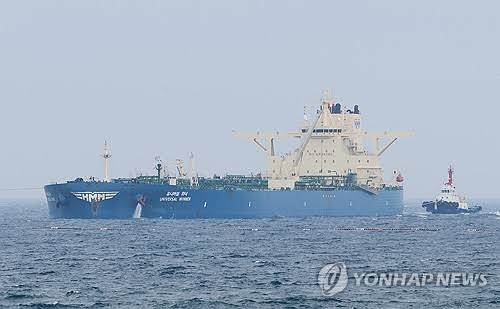
The gradual restoration of vessel movement through the Strait of Hormuz represents an encouraging development for fertilizer imports into India.
The Gulf region remains an important source of:
Urea
Urea (Granular) - Egypt
Ammonia
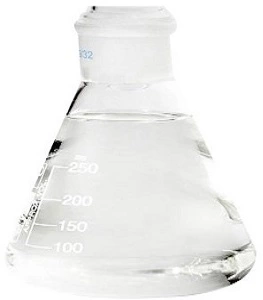
Liquid Ammonia
Sulfur
Phosphate intermediates
Petrochemical feedstocks
As shipping conditions improve, fertilizer cargoes can move with greater predictability, helping reduce logistics uncertainty for importers and distributors.
Although supply chain risks have not disappeared entirely, more stable vessel movements improve procurement planning and inventory management.
The Importance of Domestic Fertilizer Production
Alongside improving imports, India's domestic fertilizer industry continues to play a vital role in national food security.
Higher domestic production provides several advantages:
Improved Supply Reliability
Greater local manufacturing reduces dependence on imported finished fertilizers during periods of international logistics disruption.
Better Inventory Availability
Strong production allows distributors to replenish stocks more efficiently during seasonal demand peaks.
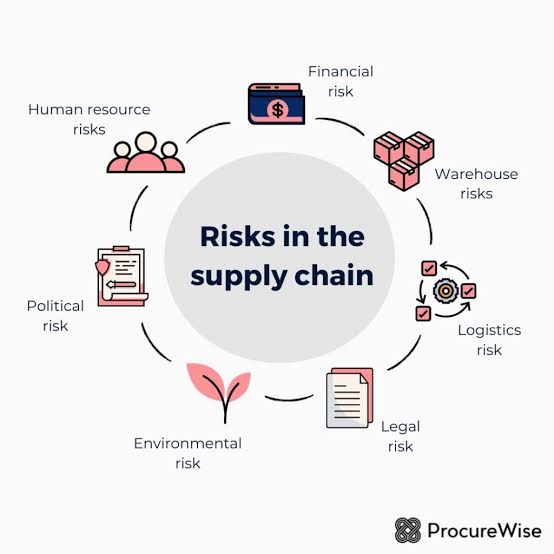
Reduced Supply Risk
Domestic production creates an additional supply layer that complements imported fertilizer volumes rather than replacing them.
Faster Regional Distribution
Local manufacturing often enables quicker movement of fertilizers to agricultural markets through established domestic logistics networks.
Procurement Implications
For fertilizer procurement teams, improving supply conditions create opportunities to optimize sourcing strategies.
Balance Domestic and Imported Supply
Combining domestic production with international sourcing strengthens long-term supply resilience.
Monitor Inventory Levels
As availability improves, procurement teams should review safety stock requirements while avoiding unnecessary inventory accumulation.
Strengthen Supplier Relationships
Maintaining partnerships with both domestic manufacturers and international suppliers supports greater sourcing flexibility.
Review Logistics Planning
Transportation, warehouse capacity, and seasonal demand forecasts remain essential components of fertilizer procurement.
Opportunities for Agricultural Distributors
Improving fertilizer availability benefits distributors in several ways.
Potential opportunities include:
Faster order fulfillment
Better inventory planning
Improved customer service
Reduced emergency procurement
Expanded product portfolios
Stronger seasonal sales performance
Distributors that maintain balanced inventories and diversified supplier networks are better positioned to respond to changing market conditions.
Long-Term Market Outlook
India's fertilizer sector is expected to continue focusing on increasing domestic production while maintaining diversified import partnerships. As global shipping conditions stabilize and manufacturing capacity improves, the market may experience greater supply consistency compared with periods of severe disruption.
However, fertilizer procurement should remain focused on long-term resilience rather than short-term market optimism. Diversified sourcing, reliable logistics, strong supplier partnerships, and effective inventory management will continue to support agricultural supply security.
Key Takeaways
Improving maritime logistics support more predictable fertilizer imports into India.
Strong domestic fertilizer production enhances supply security during the Kharif season.
Combining domestic manufacturing with international sourcing creates a more resilient fertilizer supply chain.
Procurement teams should continue diversifying suppliers while monitoring inventory and logistics performance.
Agricultural distributors can benefit from stronger product availability, improved planning, and better customer service as supply conditions stabilize.
Found this useful?