Introduction
India’s latest fertilizer output has shattered previous records, while Gulf supply routes have steadied. For agrochemical buyers, this translates into clearer demand signals, better inventory control, and a more predictable Kharif planting window. The article explores these dynamics in depth.
Record Production Highlights
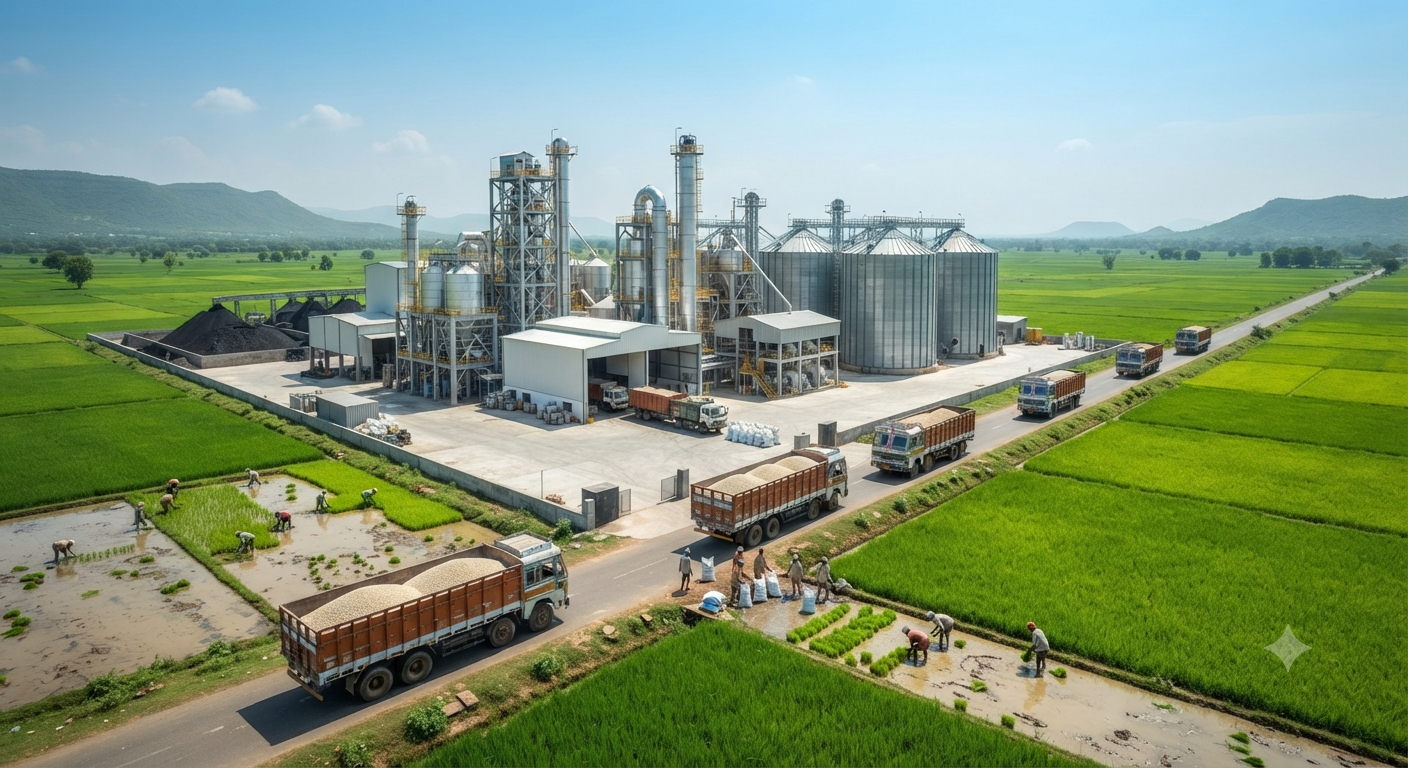
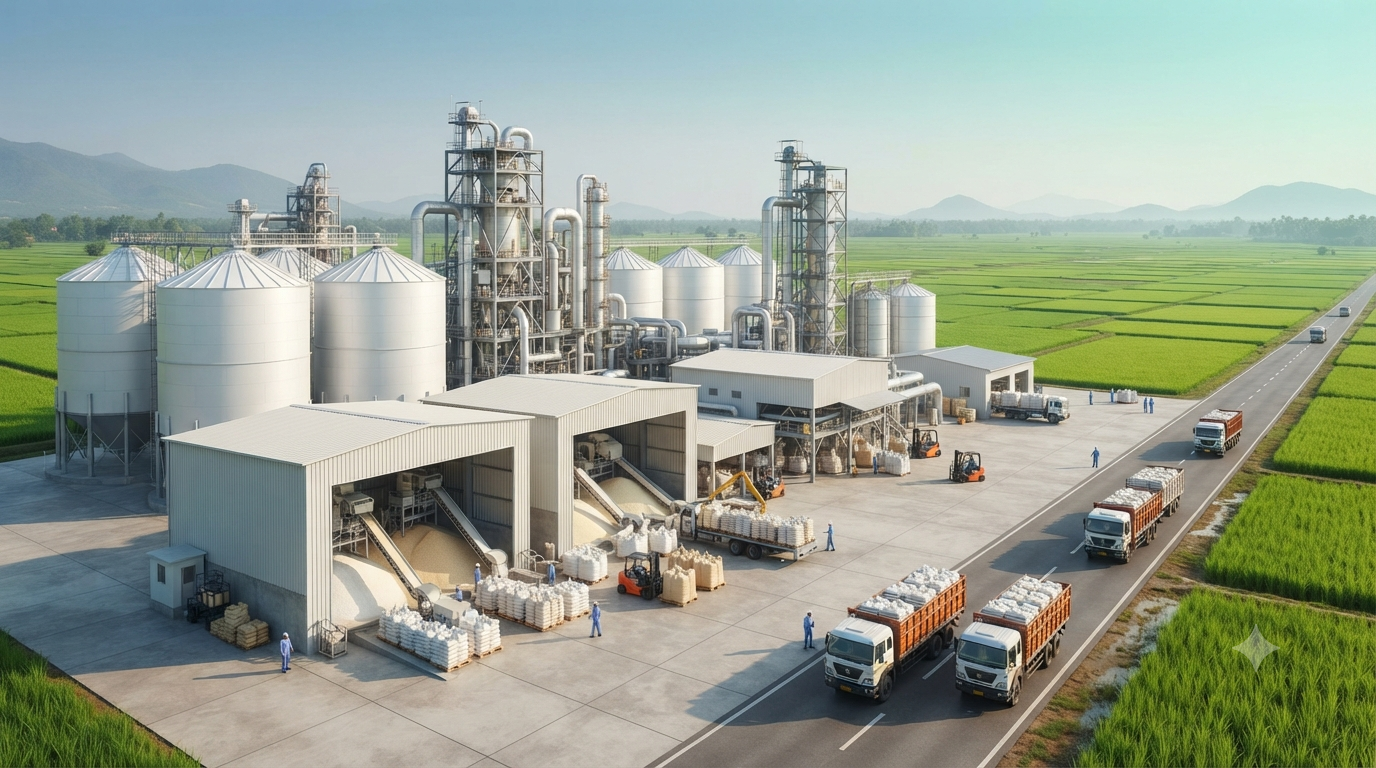
In the first half of the year, India produced 48.9 million tonnes of urea, 9.8 million tonnes of DAP, and 3.4 million tonnes of MOP, surpassing the 2022‑23 totals by 8–12%. The surge is driven by higher natural gas availability, expanded chemical plant capacity, and a government push for self‑reliance. Key takeaways include:
Urea production rose to 61% of the national target.
DAP output reached a new high of 1.6 million tonnes.
Export‑quality MOP increased by 15% year‑on‑year.
Domestic consumption now accounts for 80% of total production.
Improved Gulf Supply Routes
India’s strategic partnerships with Gulf countries have opened new shipping lanes, reducing transit times by 12–15% for bulk fertilizer consignments. The revamped logistics chain involves:
Dedicated container services for urea and DAP.
Long‑haul pipelines from Rajasthan to the port of Kandla.
Co‑operation agreements with Saudi and UAE exporters.
Utilisation of bulk carriers with higher capacity.
These enhancements lower shipping costs and mitigate supply chain bottlenecks, enabling agrochemical firms to secure better pricing and delivery windows.
Impact on Agrochemical Procurement
Demand Forecasting Accuracy
With real‑time production data, procurement teams can align purchase orders with projected crop needs. The new data feeds allow:
Dynamic inventory modelling based on regional consumption patterns.
Early warning signals for supply shortfalls in high‑growth stateŝ.
Granular analysis of fertilizer mix ratios across districts.
Cost Management
Lower transportation costs and higher domestic output reduce overall procurement expenses. Firms can re‑allocate savings to:
Invest in advanced application technologies.
Expand regional distribution networks.
Offer competitive pricing to end‑users.
Inventory Planning Strategies
To harness the production surplus, agrochemical managers should adopt a multi‑tiered inventory approach:
Maintain a safety stock of 10–12 síndrome for urea and DAP.
Use real‑time warehouse management systems (WMS) to track turnover.
Rotate older stock with newer batches to reduce wastage.
Coordinate with state agriculture departments for distribution during the Kharif season.
-Changing the inventory mix to favour urea, which has higher demand in paddy fields, can optimise storage utilisation and improve cash flow.
Regional Market Dynamics
Market behaviour varies across the five agro‑climatic zones. Key observations include:
North‑East states exhibit a 15% uptick in fertilizer imports due to limited local production.
Western Uttar Pradesh shows a near‑perfect match between supply and demand, driving price stability.
Southern states have historically been export‑oriented; the new production surplus shifts them to a net import position.
Agrochemical firms must tailor their sales strategies to these regional nuances, focusing on high‑yield states for bulk contracts and offering value‑added services in supply‑constrained areas.
Kharif Season Demand Forecast
The Kharif season, spanning June to October, represents 60% of India’s annual crop area. With record fertilizer output, the projected demand for the season is estimated at 120 million tonnes, up 9% from the previous year. Critical demand drivers are:
Expansion of rice and wheat acreage in the Indo‑Ganga basin.
Increased adoption of high‑yield varieties requiring precise nutrient regimes.
Government subsidies for nitrogen‑rich fertilizers.
Proactive procurement, aligned with the above demand drivers, can secure early access to essential chemicals, ensuring that farmers receive timely inputs and maintain planting schedules.
Conclusion
India’s record fertilizer production, coupled with improved Gulf supply routes, offers agrochemical procurement teams a unique opportunity to refine demand forecasting, optimise inventory, and strengthen regional market presence. By leveraging real‑time data, adjusting inventory strategies, and aligning with Kharif demand trends, firms can capture value and contribute to a more resilient agricultural ecosystem.