
India's Rupee and China's Export Policy Continue to Shape a Two-Front Cost Story
Two major developments in Asia continue to influence global chemical and fertilizer markets in July 2026: the ongoing depreciation of the Indian rupee and China's export policy on fertilizers. While a weaker rupee affects the cost of imported raw materials and export competitiveness for Indian manufacturers, China's management of fertilizer export timing continues to influence global supply availability and pricing.
Together, these country-level developments are shaping procurement strategies for fertilizer producers, chemical manufacturers, and agricultural businesses worldwide. Companies that rely on imported feedstocks or international fertilizer trade are closely monitoring both trends to manage costs and reduce supply chain risks.

Why These Developments Matter
India and China are among the world's most influential players in the global chemical and fertilizer industries.
Key products affected by these market developments include:
Urea
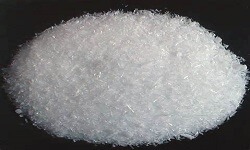
Urea (Granular) - Egypt
Ammonia
Phosphoric Acid
Mono Ammonium Phosphate (MAP)
Di-Ammonium Phosphate (DAP)
Potash
Changes in exchange rates and export policies can significantly influence raw material costs, international trade flows, and fertilizer availability.
Market Implications
The combination of currency movements and export controls may lead to:
Greater volatility in fertilizer pricing
Changing export competitiveness for Indian manufacturers
Fluctuating global fertilizer supply
Increased procurement uncertainty
Higher emphasis on inventory planning
Greater diversification of sourcing strategies
These developments reinforce the importance of monitoring both financial and trade policy factors when planning procurement decisions.
Procurement Considerations
Procurement teams should consider:
Monitoring currency fluctuations and exchange rate risks
Tracking fertilizer export policies from major producing countries
Diversifying supplier portfolios across regions
Securing long-term supply agreements where appropriate
Maintaining strategic inventory levels
Reviewing contract pricing mechanisms to manage volatility
A balanced sourcing strategy can help reduce exposure to sudden changes in market conditions.
Looking Ahead
India's currency movements and China's fertilizer export policies are likely to remain key drivers of global fertilizer pricing in the months ahead. While both developments create uncertainty, they also encourage buyers to strengthen risk management, diversify supply sources, and improve procurement planning.
Companies that actively monitor macroeconomic trends and international trade policies will be better positioned to manage cost fluctuations and maintain supply continuity.
Key Takeaways
India's weaker rupee continues to influence chemical production costs and export competitiveness.
China's fertilizer export policies remain a major factor affecting global supply and pricing.
Currency movements and trade decisions are shaping procurement strategies worldwide.
Diversified sourcing and strategic inventory management can reduce supply chain risks.
Monitoring macroeconomic and policy developments remains essential for procurement teams.
Found this useful?