Industrial Antifreeze Chemicals: Applications and Selection Criteria
Industrial Antifreeze Chemicals: Applications and Selection Criteria
Industrial antifreeze chemicals play an important role in maintaining temperature control, protecting equipment, and ensuring reliable operations across manufacturing and processing industries. These chemicals are widely used in industrial cooling systems, heat exchangers, refrigeration equipment, HVAC installations, food processing facilities, and chemical manufacturing plants.
As industrial processes increasingly require precise temperature management, antifreeze formulations have become essential for preventing freezing, maintaining heat transfer efficiency, and reducing the risk of equipment damage. Ethylene glycol and propylene glycol are among the most commonly used chemicals in industrial antifreeze formulations, offering different performance characteristics depending on operating conditions and application requirements.
Selecting the right antifreeze chemical involves evaluating several factors, including freezing point, thermal performance, toxicity, corrosion protection, material compatibility, and operating temperature. Understanding these properties helps manufacturers and industrial operators maintain system efficiency while minimising maintenance requirements.
What Are Industrial Antifreeze Chemicals?
Industrial antifreeze chemicals are substances added to water-based cooling and heating systems to lower the freezing point of the circulating fluid. They help prevent ice formation, maintain fluid circulation, and protect pipes, pumps, heat exchangers, and other equipment from freezing-related damage.
Many industrial antifreeze products are formulated using glycol-based chemicals combined with water and specialised additives. These additives provide corrosion protection, control pH, reduce foaming, and improve long-term fluid stability.
The most common industrial antifreeze chemicals include:
Ethylene Glycol (MEG): Offers effective freeze protection and favourable heat transfer properties. It is widely used in industrial cooling and heating systems where exposure risks can be properly controlled.
Propylene Glycol (PG): Has lower acute toxicity than ethylene glycol and is preferred in applications where incidental human or food contact is a concern.
Glycerol (Glycerin): Used in selected heat transfer and antifreeze formulations where its chemical properties and application requirements are suitable.
Calcium Chloride Brines: Used in certain industrial refrigeration and low-temperature cooling systems, particularly where concentrated brine solutions are suitable.
The selection of a particular chemical depends on system design, temperature requirements, safety considerations, and the materials used in the equipment.
Major Types of Industrial Antifreeze Chemicals
1. Ethylene Glycol (MEG)
Ethylene glycol, also known as monoethylene glycol, is one of the most widely used chemicals in industrial heat transfer fluids.
It provides effective freezing-point reduction when mixed with water and offers favourable viscosity and heat transfer characteristics compared with propylene glycol, particularly at lower operating temperatures.
Major applications include:
Industrial refrigeration systems.
HVAC and chilled-water circuits.
Chemical processing facilities.
Manufacturing equipment cooling.
Heat exchangers and closed-loop systems.
Industrial heating and cooling installations.
However, ethylene glycol is toxic if ingested. Its use requires appropriate handling, leak prevention, containment, and disposal procedures.
2. Propylene Glycol (PG)
Propylene glycol is an alternative to ethylene glycol, particularly in applications where reduced toxicity is an important consideration.
It is commonly used in food and beverage processing, pharmaceutical manufacturing, and certain commercial refrigeration systems.
Its major advantages include:
Lower acute toxicity compared with ethylene glycol.
Suitability for selected applications involving potential incidental product contact.
Effective freeze protection in water-based systems.
Compatibility with appropriately designed industrial heat transfer formulations.
Propylene glycol generally has higher viscosity and less favourable heat transfer characteristics than ethylene glycol at comparable conditions. This can increase pumping requirements and influence overall system efficiency.
For food-related applications, the appropriate USP, FCC, or other relevant grade and applicable regulatory requirements should be verified rather than assuming that all propylene glycol products are food-grade.
3. Glycerol-Based Antifreeze
Glycerol is a water-soluble organic compound that can be used in selected antifreeze and heat transfer applications.
It offers relatively low toxicity and is sometimes considered where environmental and safety characteristics are important.
However, glycerol-based formulations can have relatively high viscosity, particularly at lower temperatures. This affects pumping performance and heat transfer efficiency.
Its suitability therefore depends on operating temperature, fluid concentration, equipment design, and the required thermal performance.
4. Calcium Chloride Brines
Calcium chloride is an inorganic salt used to prepare brine solutions for industrial refrigeration and low-temperature cooling applications.
These solutions can provide effective cooling at temperatures below the freezing point of water.
Common applications include:
Industrial ice production.
Cold storage facilities.
Food processing refrigeration.
Ice rinks and cooling installations.
Selected secondary refrigeration systems.
Unlike glycol-based antifreeze, calcium chloride brines require careful corrosion management because chloride ions can accelerate corrosion of susceptible metals. Appropriate inhibitors and compatible system materials are therefore important.
Industrial Applications of Antifreeze Chemicals
Industrial antifreeze chemicals are used across multiple sectors where temperature stability and equipment protection are essential.
1. HVAC and Industrial Cooling Systems
Heating, ventilation, and air conditioning systems use glycol-based heat transfer fluids in applications requiring protection against freezing.
These fluids circulate through chilled-water systems, cooling coils, heat exchangers, and closed-loop installations.
They help maintain reliable operation in facilities exposed to low ambient temperatures and systems operating at sub-zero temperatures.
2. Chemical and Petrochemical Manufacturing
Chemical and petrochemical plants use antifreeze chemicals in process cooling and temperature-control systems.
Many chemical reactions require specific operating temperatures to maintain product quality, process stability, and equipment performance.
Glycol-based fluids are used in indirect cooling circuits, reactor temperature-control systems, and industrial heat exchangers.
Their formulation must be compatible with the metals, seals, pumps, and other materials used in the installation.
3. Food and Beverage Processing
Temperature control is essential in food and beverage manufacturing, particularly in refrigeration, storage, dairy processing, and beverage production.
Propylene glycol-based heat transfer fluids are commonly preferred where accidental contact with food or potable water is a potential concern.
However, manufacturers must select an appropriately certified formulation and design the system to prevent contamination.
4. Pharmaceutical Manufacturing
Pharmaceutical production facilities require controlled temperatures for manufacturing, storage, and specialised processing operations.
Antifreeze chemicals are used in selected cooling circuits and temperature-control equipment to maintain stable operating conditions.
Propylene glycol-based formulations may be preferred in applications where lower toxicity is an important selection consideration.
5. Automotive and Heavy Equipment Manufacturing
Antifreeze and coolant chemicals are used in engine cooling systems, industrial machinery, testing equipment, and manufacturing operations.
Ethylene glycol-based formulations are widely used because of their favourable thermal properties and effective freeze protection.
Specialised corrosion inhibitors help protect cooling system components, including aluminium, steel, copper, and other metals.
6. Renewable Energy and Solar Thermal Systems
Solar thermal installations and selected renewable energy systems use antifreeze heat transfer fluids to protect equipment during cold weather.
Glycol-based formulations circulate through solar collectors and heat exchangers, helping maintain heat transfer while reducing the risk of freezing.
Fluid selection must account for stagnation temperatures, thermal degradation, system pressure, and material compatibility.
Key Selection Criteria for Industrial Antifreeze Chemicals
Selecting the appropriate antifreeze chemical requires evaluating the technical and operational requirements of the system.
1. Freezing Point and Operating Temperature
The antifreeze formulation must provide protection below the lowest expected operating temperature.
Manufacturers should distinguish between freeze protection and burst protection. A solution that develops ice or slush may still offer some protection against pipe rupture, but it will not necessarily remain fully liquid or circulate effectively.
The required concentration should therefore be determined using the manufacturer's temperature-performance data.
2. Heat Transfer Efficiency
Antifreeze chemicals influence thermal conductivity, specific heat capacity, and viscosity.
Higher glycol concentrations generally increase viscosity and can reduce heat transfer performance. Excessive concentrations may also increase pumping energy requirements.
The selected formulation should provide adequate freeze protection without unnecessarily compromising system efficiency.
3. Corrosion Protection
Corrosion is a major concern in industrial cooling and heating systems.
Glycol-water mixtures can produce acidic degradation products during operation, potentially increasing corrosion if the fluid lacks appropriate inhibitors and pH buffering agents.
A suitable industrial antifreeze should contain an inhibitor package designed to protect the metals used in the system.
4. Toxicity and Environmental Considerations
Chemical safety is particularly important in facilities involving food processing, pharmaceutical production, potable water systems, and environmentally sensitive locations.
Propylene glycol is generally preferred over ethylene glycol when reduced toxicity is required.
However, the complete formulation, including additives and impurities, must be assessed rather than evaluating the glycol component alone.
5. Material Compatibility
Antifreeze formulations must be compatible with system materials, including:
Carbon steel.
Stainless steel.
Aluminium.
Copper and brass.
Rubber seals and gaskets.
Pumps and heat exchanger components.
The inhibitor package should be suitable for all relevant metals and other materials present in the installation.
6. Maintenance and Fluid Stability
Industrial antifreeze solutions require periodic monitoring to maintain their performance.
Important parameters include glycol concentration, freezing point, pH, inhibitor levels, contamination, and fluid degradation.
Regular testing helps identify chemical deterioration before it contributes to corrosion, fouling, or reduced heat transfer efficiency.
Best Practices for Handling and Maintaining Industrial Antifreeze
Proper handling and maintenance are essential for extending the service life of industrial antifreeze fluids.
Companies should follow several important practices:
Use the manufacturer's recommended dilution ratios.
Prepare glycol mixtures using suitable purified or deionised water.
Avoid mixing incompatible antifreeze formulations.
Monitor fluid concentration and freezing point periodically.
Inspect equipment for leaks and contamination.
Maintain appropriate corrosion inhibitor levels.
Store chemicals in sealed, labelled containers.
Follow applicable safety data sheets and waste disposal requirements.
Industrial HVAC and process cooling systems should use purpose-designed inhibited heat transfer fluids rather than assuming that automotive antifreeze is suitable for industrial applications.
Choosing the Right Antifreeze Chemical for Industrial Requirements
The most suitable antifreeze chemical depends on the balance between thermal performance, operational safety, equipment compatibility, and cost.
Ethylene glycol is often suitable where efficient heat transfer and lower viscosity are priorities and exposure risks can be controlled. Propylene glycol is generally more appropriate where reduced toxicity is important, including selected food and pharmaceutical applications. Glycerol and calcium chloride brines may be suitable for specific applications depending on system requirements.
For chemical manufacturers, industrial suppliers, and facility operators, selecting the correct antifreeze formulation is essential for maintaining temperature stability, protecting equipment, and supporting reliable industrial operations.
As industrial cooling technologies and process requirements continue to evolve, demand for specialised antifreeze chemicals and inhibited heat transfer fluids will remain important across manufacturing, refrigeration, energy, and processing industries.
Source Links
1. ASHRAE – Physical Properties of Secondary Coolants
Industrial glycol antifreeze properties and selection criteria
2. ASHRAE – Inhibited Glycol Heat Transfer Fluids
Ethylene glycol and propylene glycol comparison
3. ASHRAE – Water Treatment and Corrosion Control
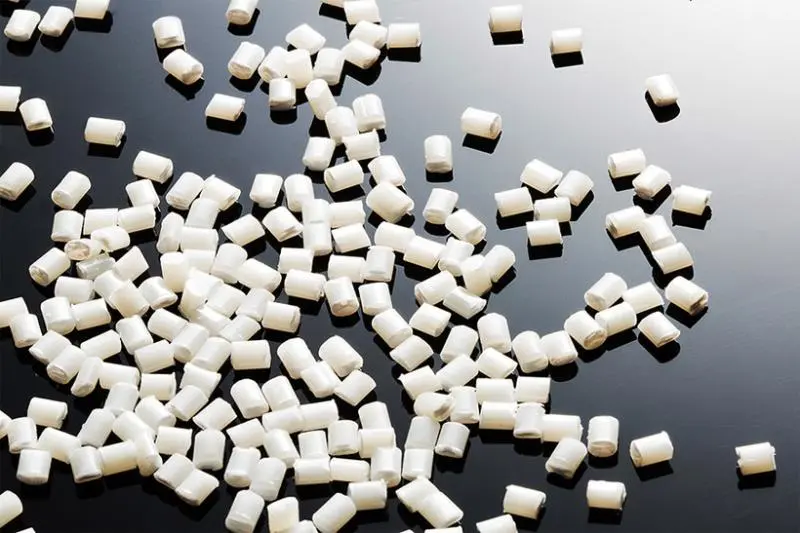
Acrylonitrile Butadiene Styrene (ABS)
Found this useful?