Industrial Chemical Packaging: How to Choose Drums, IBCs and Bulk Containers
Industrial chemical packaging directly affects product quality, transportation safety and the total cost of moving chemicals through global supply chains. For chemical traders, importers and procurement managers, choosing between drums, intermediate bulk containers (IBCs) and bulk tanks requires more than comparing container prices.
The right packaging depends on the chemical's physical properties, compatibility with container materials, hazard classification, shipment volume and the facilities available at the destination. A container that works well for one product may create leakage, contamination or handling problems when used for another.
Buyers should treat packaging as part of the procurement decision from the beginning. Selecting the right format can improve warehouse efficiency, reduce product losses and simplify deliveries while helping businesses meet applicable storage and transport requirements.
What Determines the Right Industrial Chemical Packaging?
Industrial chemical packaging must protect the contents throughout filling, storage, loading, transportation and unloading. Its design should match the chemical's properties and the conditions the shipment will encounter along the supply chain.
Several factors influence the selection process:
Chemical compatibility: The container's inner surface, seals, gaskets and closures must resist the chemical without reacting, degrading or contaminating the product.
Physical properties: Viscosity, density, volatility, temperature sensitivity and the tendency to crystallize can influence container design and discharge requirements.
Hazard classification: Flammable, corrosive, toxic and other regulated substances may require specific packaging designs, approvals and handling precautions.
Shipment volume: Small orders may suit drums, while regular medium-volume deliveries may justify IBCs and large continuous requirements may favor bulk transport.
Handling infrastructure: Buyers need suitable forklifts, pumps, loading equipment, storage areas and trained personnel to handle the selected packaging safely.
The chemical's safety data sheet (SDS) provides essential information about storage conditions, incompatibilities, hazards and recommended precautions. Procurement teams should combine this information with supplier documentation and confirmation from the packaging manufacturer before approving a container.
Steel and Plastic Drums for Flexible Chemical Shipments
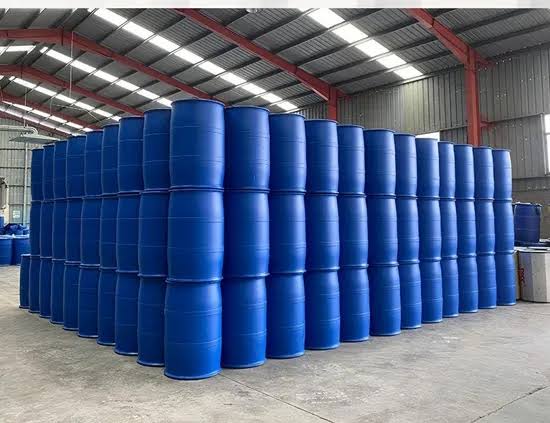
Drums remain a practical option for chemical shipments that require manageable individual units rather than a large shared container. Suppliers commonly offer steel and plastic drums, with the appropriate choice depending on the product's chemical properties, transport conditions and applicable packaging requirements.
Steel drums can provide strong mechanical protection and suit many industrial liquids and certain solid materials. However, buyers must assess corrosion resistance, internal linings, closure design and compatibility with the specific chemical.
Plastic drums, often manufactured from high-density polyethylene (HDPE), can resist many corrosive substances and offer relatively low weight. Their suitability depends on the chemical concentration, temperature, storage duration and any relevant transport approval requirements.
Drums offer several commercial advantages:
They allow buyers to order smaller quantities without committing to a full IBC or bulk delivery.
Warehouses can separate different products into individual units, which helps manage inventory and reduces the impact of a single-container leak.
Distributors can supply customers with different consumption levels without requiring specialized bulk unloading systems.
Businesses can handle individual units using appropriate drum-handling equipment and arrange shipments according to customer demand.
However, drums create more individual handling points. A shipment containing many drums requires workers to inspect, move and track more closures and container surfaces, which can increase handling time and the number of potential leakage points.
Buyers should confirm the drum's capacity, material, closure type, condition and suitability for the intended chemical. They should also establish whether the drum is new, reconditioned or approved for reuse under the relevant conditions.
Intermediate Bulk Containers for Medium-Volume Deliveries
Intermediate bulk containers offer a middle ground between individual drums and large bulk storage systems. An IBC commonly combines a rigid plastic inner vessel with a protective metal cage and pallet base, although other designs exist for particular chemicals and operating conditions.
Many liquid IBCs hold approximately 1,000 litres, but capacities vary by design and market. Their standardized footprint and integrated pallet base can simplify forklift handling, warehouse movement and loading when compared with moving numerous separate drums.
For procurement teams, IBCs can provide several benefits:
Fewer handling units: One IBC can replace multiple smaller containers, reducing the number of individual units that staff must inspect and manage.
Convenient dispensing: Suitable outlets and valves can support controlled product transfer into production equipment or smaller containers.
Space efficiency: Standardized dimensions can help warehouses plan storage and loading, subject to stacking limits and site requirements.
Flexible purchasing: Buyers can order quantities suited to regular production needs without installing a dedicated bulk tank system.
Despite these advantages, IBCs are not universally suitable. Some chemicals may attack the inner vessel, seals or valve components, while temperature exposure, ultraviolet radiation and prolonged storage can affect container performance.
Buyers must also distinguish between an IBC intended for transport and equipment designed for permanent storage. Some industrial applications require dedicated storage tanks with engineered supports, secondary containment and monitoring systems rather than relying on transport containers as permanent installations.
Before accepting an IBC shipment, procurement teams should check the container's design approval where required, inspection status, manufacture date, valve condition and chemical compatibility. Reused containers need particular attention because residues from previous contents may contaminate the next product.
Bulk Tanks for Large-Scale Chemical Supply Chains
Bulk tanks suit businesses that consume large quantities of a chemical regularly and have the infrastructure to receive, store and dispense it safely. Depending on the application, these systems may include fixed storage tanks, road tankers, rail tank cars or portable tank containers designed for transportation.
Unlike drums and many IBCs, bulk systems allow suppliers to move substantial quantities without dividing the shipment into numerous individual packages. This can reduce packaging-related handling and support continuous production at chemical plants, manufacturing facilities and large distribution centers.
Bulk delivery can offer meaningful operational advantages:
Lower unit handling requirements: Larger shipments reduce the number of separate packages that staff need to move, inspect and track.
Regular replenishment: Scheduled deliveries can support predictable production demand and reduce repeated small shipments.
Integration with production: Pumps, pipes and metering equipment can transfer chemicals directly into designated storage or process systems.
Reduced packaging waste: Reusable bulk transport systems can limit the need for disposable or frequently replaced smaller containers.
The trade-offs include higher infrastructure costs, more complex installation requirements and greater dependence on accurate demand planning. A buyer must consider tank foundations, compatible materials, transfer equipment, ventilation or pressure controls where applicable, spill containment and emergency response arrangements.
Large storage volumes also increase the potential consequences of a major release. Businesses should assess site-specific hazards, inspect tanks and associated pipework, and establish procedures for detecting leaks and isolating the system.
Bulk transport and storage should therefore make commercial sense at both the supplier and buyer ends. A low per-tonne freight rate may not deliver real savings if the receiving facility lacks the equipment, capacity or approvals needed to accept the shipment.
al Compatibility and Hazard Classification Come First
Packaging selection should begin with chemical safety and compatibility, not container price or availability. The material that contacts the product must maintain its integrity under the expected operating conditions and must not introduce an unacceptable risk of reaction or contamination.
For example, an acidic chemical may corrode an unsuitable metal container, while certain organic solvents may damage some plastic materials or seals. Even when the main container material appears suitable, a valve, gasket or lining may fail if it cannot withstand the product's concentration and temperature.
Procurement teams should evaluate the following requirements before confirming an order:
Chemical resistance: Confirm the compatibility of the container body, inner lining, seals, gaskets and dispensing components with the exact product and concentration.
Hazard classification: Establish whether the chemical qualifies as dangerous goods for transport and identify the packaging provisions that apply to its classification.
Packaging certification: Where regulations require approved packaging, verify the relevant UN design-type approval, markings and performance requirements.
Operating conditions: Check temperature limits, filling requirements, storage duration and exposure to sunlight or other environmental conditions.
Leak prevention: Confirm that closures, valves and fittings provide appropriate containment during normal handling and transport.
The SDS helps identify the product's hazards and handling precautions, but it does not replace packaging approval requirements. Buyers should request supporting compatibility statements or technical documentation from the packaging manufacturer, particularly for corrosive, reactive or otherwise challenging chemicals.
Transport, Storage and Handling Requirements Across Markets
A packaging format must work throughout the shipment's entire journey, including loading at the supplier's facility, port handling, international transport, customs clearance, warehouse storage and final delivery.
Different transport modes and destination markets may impose different requirements. A container that suits warehouse storage may not meet the applicable conditions for transporting a regulated chemical by road, sea, rail or air.
International buyers should pay particular attention to these operational considerations:
Road and sea freight: Confirm container strength, closure integrity, load securing requirements and applicable dangerous goods provisions for the transport mode.
Warehouse operations: Check forklift access, aisle dimensions, pallet compatibility, stacking limits and the availability of suitable spill containment.
Export documentation: Request accurate product descriptions, hazard information and any packaging certificates or transport documents required for the shipment.
Destination facilities: Confirm that the importer can safely unload, store and dispense the chemical using the equipment available at the receiving site.
Container return arrangements: For reusable packaging, establish who manages collection, cleaning, inspection and return transport, along with responsibility for any residual product.
Chemical traders should also assess whether a supplier can consistently deliver the agreed packaging specification. Unexpected changes in container material, closure design or package size can create receiving problems, delay production and increase compliance risks.
Packaging Costs, Freight and Total Procurement Value
The lowest packaging price does not always produce the lowest delivered cost. Procurement teams should evaluate the full cost of moving, receiving, storing and using the chemical rather than comparing container purchase prices in isolation.
Drums may require more handling labor and more individual packages per shipment. IBCs can reduce the number of units but may involve higher costs per container, while bulk deliveries may require specialized transport and substantial receiving infrastructure.
A useful cost assessment should include:
Packaging and filling costs: Compare the supplier's charges for the container, closure system, filling operation and preparation for shipment.
Freight and handling: Assess shipment weight, space utilization, pallet requirements, loading equipment and destination unloading costs.
Storage efficiency: Consider warehouse capacity, container dimensions, inventory turnover and any special storage arrangements.
Product losses: Account for potential leakage, residual material left in containers, contamination and losses during transfer.
Reuse and disposal: Include cleaning, inspection, return freight, recycling and compliant disposal costs where relevant.
Order frequency also affects the economics. A buyer with irregular demand may benefit from drums or IBCs because they allow smaller deliveries, while a facility with predictable high-volume consumption may justify bulk storage and regular replenishment.
The best comparison uses the total cost per usable unit of chemical delivered, including handling and expected losses. This approach helps procurement managers distinguish a genuinely economical packaging choice from one that simply has a lower upfront price.
How Procurement Teams Can Approve the Right Packaging
A consistent packaging approval process helps buyers prevent avoidable shipping delays, quality problems and safety incidents. Procurement, logistics, quality assurance and site safety teams should agree on the requirements before a supplier prepares the shipment.
A practical approval process includes five steps:
Define the product requirements. Record the chemical name, concentration, physical form, hazard classification, shipment quantity and any temperature or storage restrictions.
Select suitable packaging formats. Compare drums, IBCs and bulk systems against chemical compatibility, delivery volume, handling capability and applicable transport rules.
Obtain supplier documentation. Request technical specifications, material compatibility confirmation, relevant packaging approvals and inspection records where required.
Verify receiving arrangements. Confirm that the destination has suitable unloading equipment, storage space, transfer systems and spill response measures.
Review performance after delivery. Track leaks, damaged containers, contamination incidents, handling delays and actual packaging costs to identify improvements.
Procurement teams should document the approved packaging specification in purchase orders and supplier agreements. This reduces the likelihood of receiving an unsuitable substitute when a supplier faces availability constraints.
Buyers should also establish clear acceptance criteria for damaged, leaking or incorrectly marked containers. Staff need a defined process to isolate affected shipments, notify the responsible parties and arrange safe corrective action.
What Chemical Buyers Should Prioritize Next
Industrial chemical packaging decisions work best when buyers balance safety, compatibility, logistics and total cost rather than choosing a container based on volume alone. Drums support flexible smaller shipments, IBCs suit many medium-volume deliveries and bulk systems can improve efficiency for operations with substantial recurring demand.
Before placing an order, procurement managers should confirm the chemical's compatibility with every product-contact component, verify applicable packaging and transport requirements, and ensure the receiving facility can handle the shipment safely. These checks help protect product quality, reduce avoidable losses and create more reliable supplier relationships.
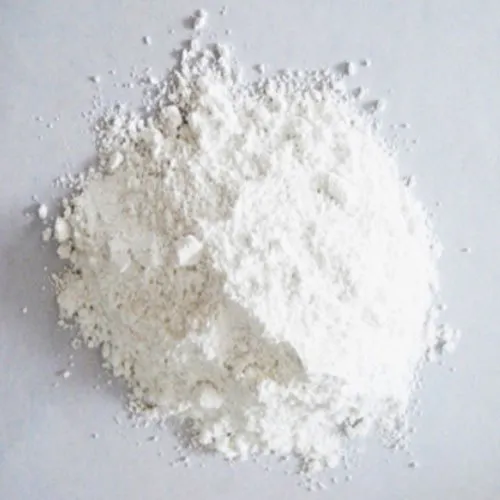
Calcium Carbonate (Feed Grade)
SOURCE LINK :https://www.osha.gov/chemical-hazards
Found this useful?