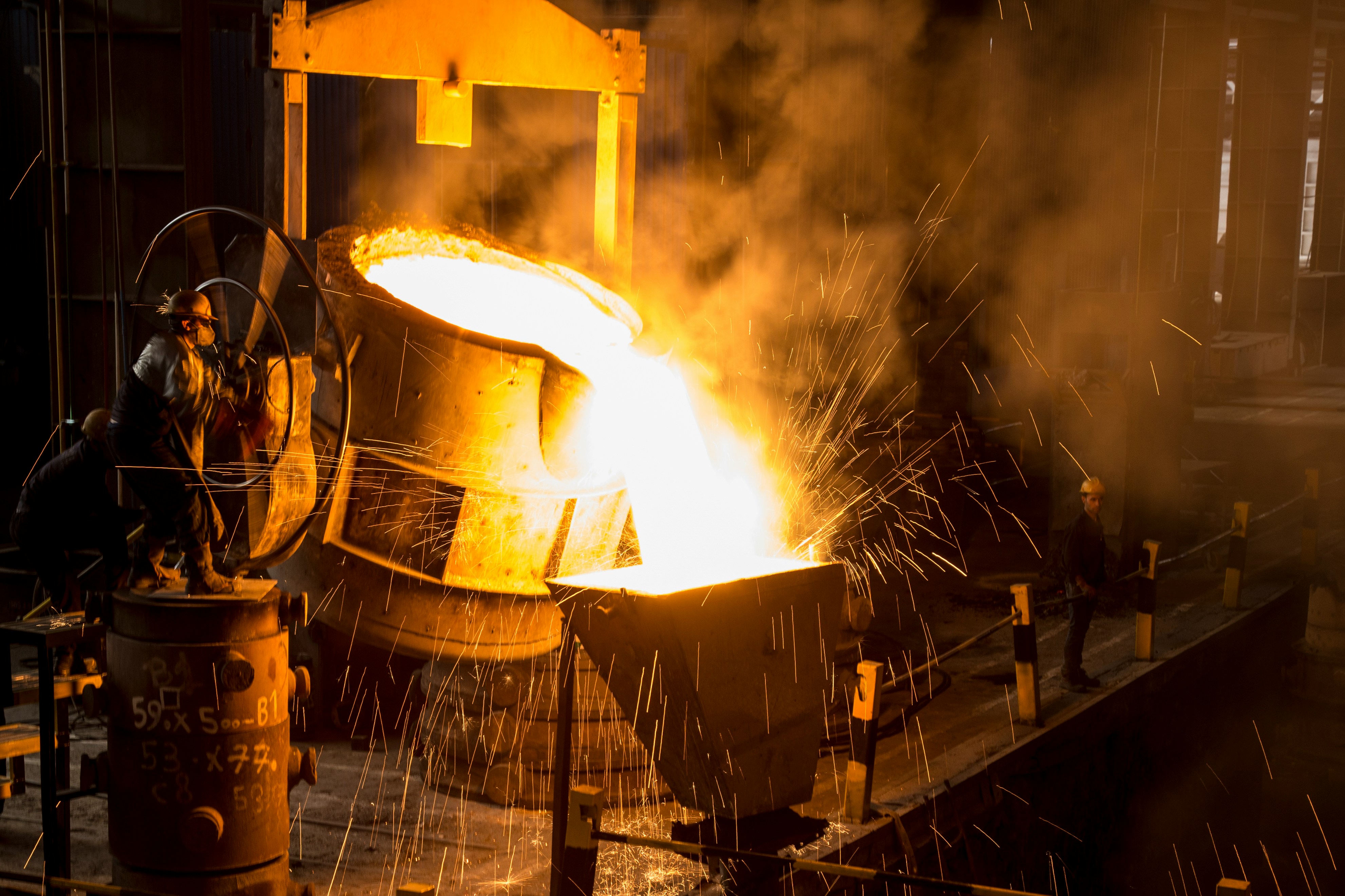
Industrial Metal Finishing: Chemicals, Methods and Uses
What Is Metal Surface Treatment?
Metal surface treatment is a group of chemical, electrochemical and mechanical processes used to modify the outer layer of metal components. These treatments improve properties such as corrosion resistance, hardness, wear resistance, appearance and coating adhesion.
Manufacturers use surface treatment to prepare metal parts for painting, protect them against environmental exposure and achieve specific functional properties. The process may involve cleaning, removing oxides, applying a protective conversion layer or depositing another metal onto the surface.
Metal surface treatment chemicals are essential to many of these operations. They remove contaminants, prepare metal surfaces and help produce consistent finishes.
Commonly treated materials include steel, stainless steel, aluminium, copper, brass and zinc-coated metals. The chemical selection depends on the base metal, desired finish and final application.
Main Types of Metal Surface Treatment Chemicals
Different chemical formulations are used at different stages of metal finishing. Each category has a specific purpose within the treatment process.
1. Metal Cleaning and Degreasing Chemicals
Before coating or plating, metal surfaces must be free from oils, grease, dust, machining fluids and other contaminants. These substances can prevent coatings from adhering properly.
Metal cleaning chemicals remove unwanted materials and prepare the surface for further treatment.
Common chemical types include:
Alkaline cleaners
Acidic cleaners
Surfactant-based detergents
Solvent-based degreasers
Emulsifying cleaning agents
Industrial applications: These chemicals are widely used in automotive component manufacturing, machinery production, metal fabrication and appliance manufacturing. They help prepare parts before painting, electroplating, phosphating and other finishing operations.
2. Pickling Chemicals
Pickling is a chemical process used to remove rust, oxide layers, mill scale and other surface impurities from metals.
Acid-based solutions are commonly used, with the selection depending on the metal and the type of oxide being removed.
Examples include:
Hydrochloric acid
Sulphuric acid
Phosphoric acid
Specialised acid pickling formulations
Industrial applications: Pickling is commonly used in steel production, wire manufacturing, metal fabrication and stainless-steel processing. It creates a cleaner surface for subsequent coating, plating or manufacturing operations.
The correct pickling chemistry is important because unsuitable treatment conditions can cause excessive metal loss, surface damage or hydrogen-related problems in susceptible materials.
3. Phosphating Chemicals
Phosphating is a chemical conversion process that creates a phosphate layer on a metal surface. This layer can improve paint adhesion and provide additional corrosion protection when used as part of an appropriate coating system.
Common phosphating systems include:
Iron phosphate
Zinc phosphate
Manganese phosphate
Industrial applications: Phosphating chemicals are used in automotive manufacturing, household appliances, machinery, steel furniture and metal fabrication.
Iron and zinc phosphate treatments are frequently used as paint pretreatment processes, while manganese phosphate is used in selected engineering applications where wear and friction properties are important.
4. Passivation Chemicals
Passivation treatments help improve the corrosion resistance of certain metals by promoting or restoring a protective surface condition.
For stainless steel, passivation commonly involves removing free iron and other surface contaminants to support the formation of its protective chromium-rich oxide layer.
Common treatment chemistries include:
Nitric acid-based formulations
Citric acid-based formulations
Specialised passivation products
Industrial applications: Passivation is used in stainless-steel equipment, food processing machinery, pharmaceutical equipment, medical devices and chemical processing components.
The treatment must be suitable for the metal grade and applicable industry requirements.
5. Electroplating Chemicals
Electroplating deposits a thin layer of metal onto another material using an electric current and an electrolyte solution containing metal ions.
The deposited layer can improve corrosion resistance, wear properties, electrical performance or appearance.
Common electroplating systems include:
Nickel plating
Copper plating
Zinc plating
Tin plating
Chromium plating
Gold and silver plating
Plating solutions may contain metal salts, complexing agents, buffers, brighteners, wetting agents and other additives.
Industrial applications: Electroplating chemicals are used in automotive parts, electrical connectors, electronics, plumbing fixtures, decorative hardware and industrial machinery.
The selected plating system depends on the required coating thickness, performance, substrate and applicable environmental requirements.
6. Anodizing Chemicals
Anodizing is an electrochemical process that forms a controlled oxide layer on a metal surface. Aluminium is one of the most commonly anodized materials.
The oxide layer can improve corrosion resistance, surface hardness and the ability to accept dyes or other finishing treatments.
Common anodizing chemicals and process materials include:
Sulphuric acid
Chromic acid in selected legacy or specialised processes
Phosphoric acid for particular applications
Electrolyte additives and sealing chemicals
Industrial applications: Anodizing is widely used in architectural aluminium, automotive components, aerospace parts, electronics housings and consumer products.
Different anodizing processes are selected according to the required coating properties and the applicable environmental and safety requirements.
7. Chromate and Other Conversion Coating Chemicals
Conversion coatings chemically modify a metal surface to form a protective layer. They can improve corrosion resistance and provide a suitable base for painting or other finishing operations.
Traditional chromate treatments have been used on aluminium, zinc and other metals. However, hexavalent chromium compounds are subject to significant health and environmental restrictions.
Alternative technologies include:
Trivalent chromium-based treatments
Zirconium-based conversion coatings
Titanium-based conversion coatings
Other chromium-free pretreatment systems
Industrial applications: These treatments are used in automotive manufacturing, aluminium finishing, aerospace components and metal fabrication where corrosion protection and coating adhesion are important.
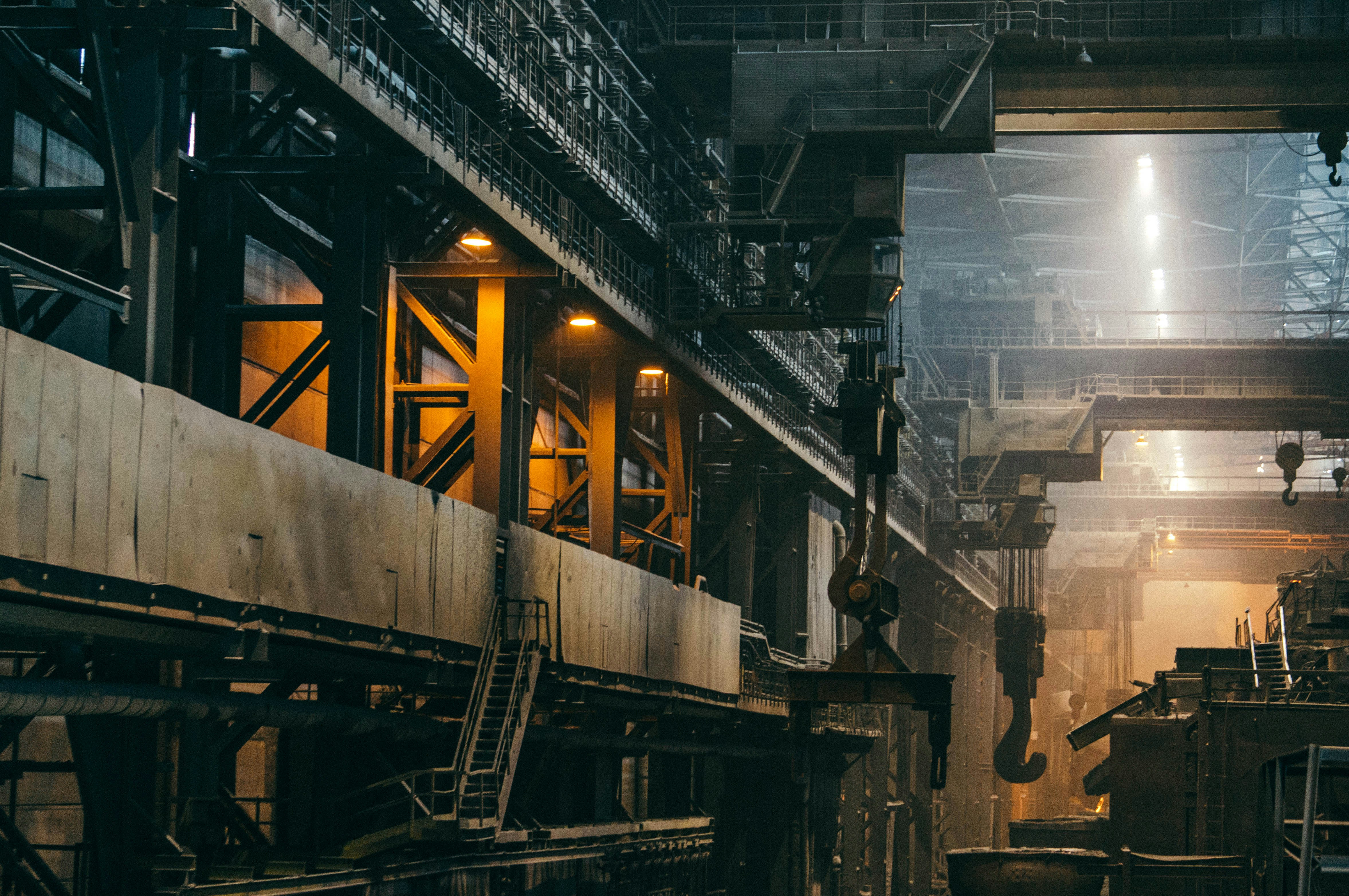
Major Metal Surface Treatment Processes
Metal finishing generally follows a sequence of preparation, treatment and final processing. The exact stages depend on the material and the desired surface properties.
1. Surface Preparation
The metal component is cleaned to remove oil, grease, dirt and other contaminants. Alkaline cleaners, degreasers and suitable rinsing stages may be used.
2. Oxide and Scale Removal
Pickling or other suitable cleaning processes remove rust, mill scale and oxide layers. This step helps prepare the surface for conversion coating or plating.
3. Surface Modification
The component undergoes the selected treatment, such as phosphating, anodizing, passivation or electroplating.
4. Rinsing and Post-Treatment
Rinsing removes chemical residues carried over from processing baths. Depending on the treatment, additional sealing, passivation or protective finishing may follow.
5. Drying and Inspection
The treated component is dried and inspected for coating coverage, appearance, adhesion and other application-specific requirements.
Proper control of each stage is important because poor cleaning or chemical carryover can affect the quality of the final finish.
Industrial Applications of Metal Surface Treatment Chemicals
Metal surface treatment is used across industries that require durable, corrosion-resistant and functional components.
Automotive Industry
Automotive manufacturers use surface treatment chemicals for vehicle body components, fasteners, wheels, engine parts and other metal assemblies.
Phosphating supports paint adhesion, electroplating provides protective or decorative finishes, and specialised coatings help protect components exposed to moisture and wear.
Construction and Architecture
Steel structures, aluminium frames, roofing materials and architectural fittings require protection against environmental exposure.
Galvanising, passivation, anodizing and conversion coating treatments help improve durability and maintain the appearance of construction materials.
Electronics and Electrical Manufacturing
Electronic products require metal components with controlled electrical and surface properties.
Copper, nickel, tin, gold and silver plating are used in selected connectors, terminals, circuit components and electrical contacts.
Aerospace Industry
Aerospace components operate under demanding conditions where material performance and corrosion protection are important.
Anodizing, conversion coatings, passivation and specialised plating processes are used for selected aluminium, steel and other alloy components.
Machinery and Industrial Equipment
Industrial machines contain metal parts that experience friction, moisture, chemicals and mechanical wear.
Surface treatment processes help improve corrosion resistance, wear performance and service life. The treatment is selected according to the operating environment and component design.
How to Select the Right Metal Surface Treatment Chemicals
Choosing the correct chemicals requires an understanding of the metal substrate, production process and required finish.
Industrial buyers and manufacturers should consider:
Base metal: Confirm whether the component is made from steel, stainless steel, aluminium, copper or another alloy.
Treatment objective: Identify whether the priority is cleaning, corrosion protection, wear resistance, coating adhesion or appearance.
Process compatibility: Ensure the chemicals are suitable for the existing tanks, equipment and treatment sequence.
Operating conditions: Consider bath temperature, treatment time, concentration control and production volume.
Coating requirements: Review the required coating thickness, adhesion, finish and performance specifications.
Environmental compliance: Check chemical restrictions, wastewater discharge requirements and applicable regulations.
Supplier support: Request technical data sheets, Safety Data Sheets (SDS), process guidance and quality documentation.
Testing and technical evaluation are important before introducing a new chemical treatment programme into production.
Environmental and Safety Considerations
Metal finishing operations may involve acids, alkalis, solvents, metal salts and other process chemicals. Some substances can create significant occupational and environmental hazards if they are not handled correctly.
Manufacturers should establish appropriate safety and environmental controls, including:
Suitable ventilation and exposure controls
Chemical-resistant personal protective equipment
Proper chemical storage and segregation
Safe handling and transfer procedures
Regular bath monitoring and process inspections
Wastewater treatment before discharge
Responsible management of sludge and spent chemical solutions
Certain traditional treatments, particularly those involving hexavalent chromium, require careful regulatory management and may be replaced by alternative technologies where technically suitable.
Metal finishing wastewater may contain metals and other treatment residues. Facilities should assess their wastewater streams and comply with the relevant local discharge and waste-management requirements.
Developments in Metal Surface Treatment Technology
Metal finishing is evolving as manufacturers seek improved coating performance, more efficient processes and lower environmental impact.
Several developments are influencing chemical selection and industrial production:
Chromium-Free Surface Treatments
Manufacturers are evaluating zirconium-based, titanium-based and other alternative conversion coatings to reduce dependence on certain hazardous substances.
Improved Pretreatment Formulations
Advanced cleaning and pretreatment chemicals are being developed to support coating adhesion, reduce process defects and work with different metal substrates.
Process Monitoring and Automation
Automated dosing, bath monitoring and process-control systems help maintain consistent chemical conditions and reduce variations between production batches.
Water and Chemical Efficiency
Improved rinsing systems, chemical recovery and process optimisation can reduce water consumption, chemical losses and wastewater generation.
Choosing the Right Metal Finishing Strategy
Metal surface treatment chemicals are important for improving the durability, functionality and appearance of industrial metal products. From cleaning agents and pickling acids to phosphating chemicals, passivation products and electroplating solutions, each treatment serves a specific purpose.
The best treatment strategy depends on the metal substrate, required surface properties, production conditions and environmental requirements. By selecting compatible chemicals and maintaining proper process control, manufacturers can improve finishing quality, protect metal components and support more efficient production.
https://www.epa.gov/system/files/documents/2021-07/owm0022.pdf
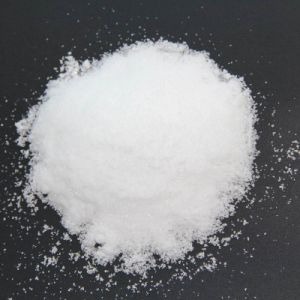
Zinc Sulphate Heptahydrate
Found this useful?