Sodium Tripolyphosphate (STPP): Uses in Detergents and Cleaning
Sodium Tripolyphosphate (STPP): Uses in Detergents and Cleaning
Sodium tripolyphosphate (STPP) is an important inorganic phosphate compound used in detergent formulations, industrial cleaning products and selected water treatment applications. Its ability to bind calcium and magnesium ions makes it particularly useful in hard-water conditions, where mineral content can reduce cleaning efficiency.
In detergent manufacturing, STPP functions as a builder. It supports surfactants by controlling water hardness, helping disperse soil and reducing mineral deposits on fabrics and surfaces. These functions make it valuable in laundry detergents, automatic dishwashing products and institutional cleaning formulations.
STPP also serves industrial applications that require metal-ion sequestration and particle dispersion. However, environmental considerations and regional phosphate regulations influence its use in certain detergent markets. Understanding its properties, applications and sourcing requirements helps manufacturers select suitable grades for their formulations.
What Is Sodium Tripolyphosphate (STPP)?
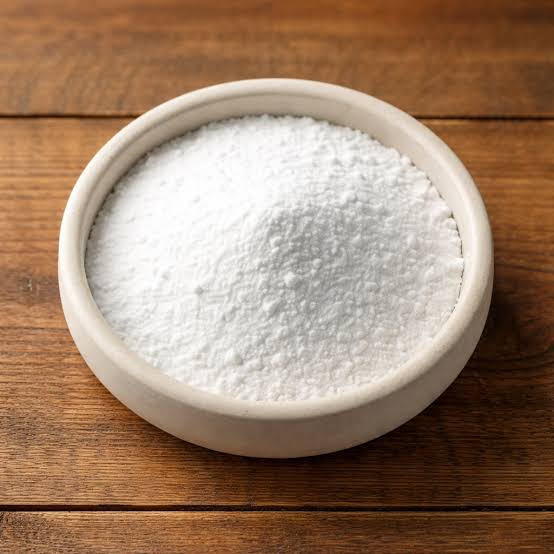
Sodium tripolyphosphate is an inorganic sodium phosphate compound with the chemical formula Na₅P₃O₁₀ and CAS number 7758-29-4. It is commonly supplied as a white powder or granular solid and is soluble in water.
STPP belongs to the condensed phosphate family. Its structure contains three linked phosphate units, allowing it to interact with metal ions in aqueous solutions. This characteristic supports its use as a water-conditioning and cleaning formulation ingredient.
Chemical Properties and Manufacturing
Manufacturers generally produce STPP by heating a controlled mixture of monosodium phosphate and disodium phosphate. The heating process removes water and promotes condensation reactions that form sodium tripolyphosphate. Producers then cool, process and mill the material into the required powder or granular form.
Commercial grades are evaluated using specifications such as STPP content, phosphorus pentoxide content, water-insoluble matter, pH, iron content and particle size. These parameters can influence formulation consistency and performance.
Why STPP Is Used in Detergents
Hard water contains dissolved calcium and magnesium ions. These minerals can interfere with surfactants, reduce cleaning efficiency and contribute to deposits on fabrics, dishes and equipment.
STPP helps bind these hardness ions and keep them in solution. This process allows detergent ingredients to work more effectively while supporting soil dispersion and reducing mineral-related deposits.
Applications of STPP in Detergents
Detergent manufacturing is one of the major application areas for sodium tripolyphosphate. Formulators use it as a builder to improve cleaning performance under different water conditions.
Laundry Detergents
STPP has traditionally been used in powdered, liquid and other laundry detergent formulations. Its water-softening function helps surfactants remove dirt and oily residues more effectively.
By binding calcium and magnesium ions, STPP reduces their interference with detergent ingredients. It also helps keep loosened soil dispersed in the wash water, limiting the risk of redeposition onto fabrics.
These functions support washing performance, fabric cleanliness and formulation stability. The actual contribution depends on the detergent composition, water hardness, washing temperature and dosage.
Automatic Dishwashing Detergents
Automatic dishwashing formulations use STPP to manage mineral ions and support the removal of food residues. Hard water can contribute to spots, films and mineral deposits on dishes and glassware.
STPP helps reduce these effects by binding hardness ions and supporting the action of other cleaning ingredients. Its builder function is especially relevant in formulations designed for challenging water conditions.
Manufacturers must balance STPP with other ingredients to achieve the desired cleaning performance and meet market-specific phosphate requirements.
Industrial and Institutional Cleaning
Industrial and institutional cleaning products often operate under demanding conditions. Commercial laundries, food-processing facilities and manufacturing plants may require formulations that handle heavy soil loads and varying water quality.
STPP can support these products by softening water, dispersing particulate matter and improving the performance of other detergent ingredients.
Its use depends on the cleaning application, required formulation properties and applicable environmental regulations.
STPP in Cleaning and Water Treatment Applications
Beyond household detergents, sodium tripolyphosphate supports cleaning and water-conditioning processes in selected industrial environments. Its ability to interact with dissolved metal ions makes it useful in applications where mineral deposits and suspended particles affect process performance.
Surface and Equipment Cleaning
STPP can be included in cleaning formulations for industrial surfaces and equipment. It helps manage hardness minerals and supports the dispersion of loosened dirt and particulate material.
Cleaning product manufacturers may combine it with surfactants, alkaline ingredients and other formulation components to achieve the required performance. The exact formulation depends on the type of soil, surface material and cleaning conditions.
Water Conditioning and Scale Management
Polyphosphates are used in selected water treatment applications to control scale formation and sequester certain metal ions. STPP can be used alone or as part of blended phosphate products, depending on the treatment objective.
Its role is different from that of a general disinfectant or primary water purification chemical. It supports chemical conditioning rather than directly removing all contaminants from water.
Other Industrial Applications
STPP also has applications in selected ceramic manufacturing, clay processing and industrial formulations. Its dispersing and sequestration properties can help manufacturers manage mineral particles and metal ions during processing.
Food processing is another established application area for appropriate food-grade STPP. However, food applications require a suitable grade and compliance with the relevant food regulations. Industrial detergent-grade material should not be assumed suitable for food use.
Performance Requirements and Product Selection
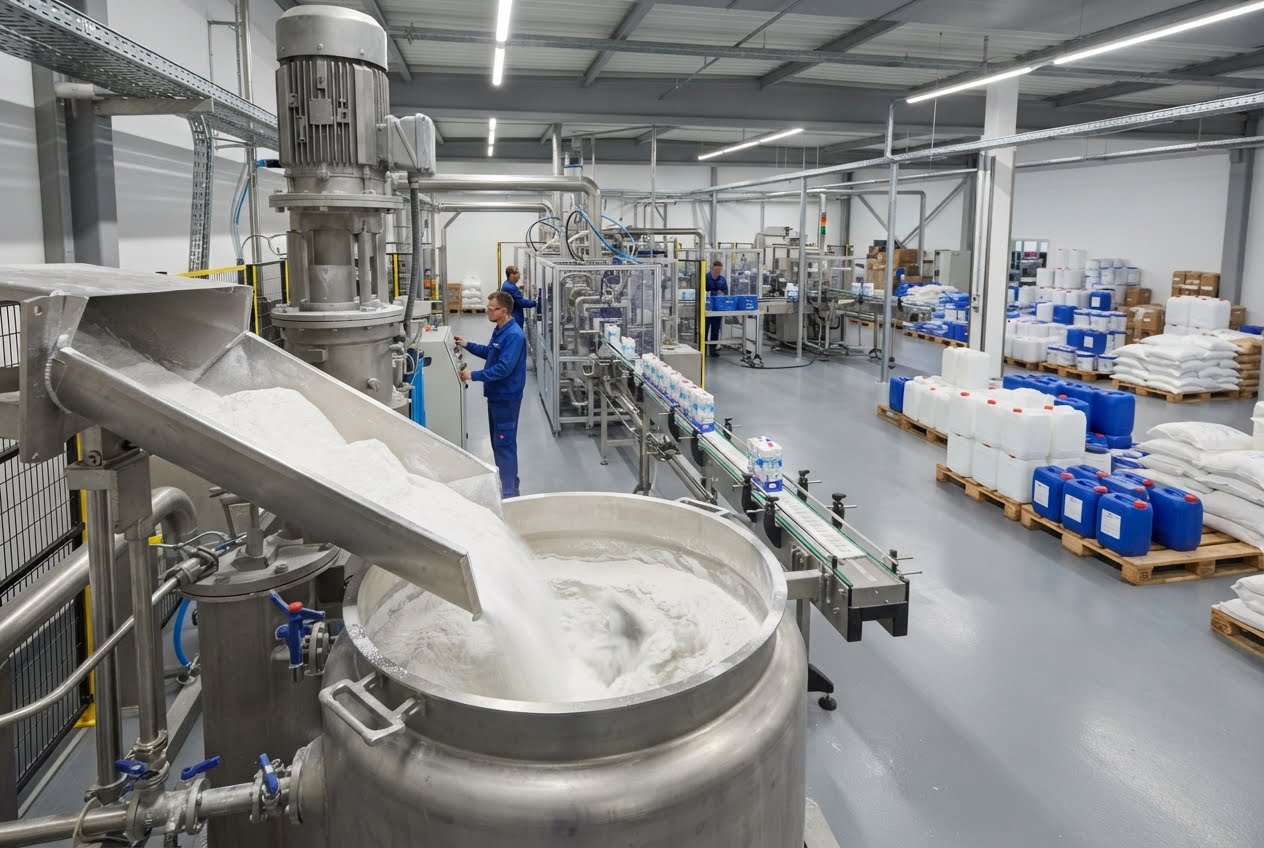
The suitability of STPP depends on product quality, formulation design and the conditions in which the finished detergent or cleaning product will be used. Manufacturers should evaluate technical specifications before selecting a supplier or approving a new batch.
Key Quality Parameters
Important purchasing and quality-control considerations include:
STPP content: Confirms the active sodium tripolyphosphate content required for the formulation.
P₂O₅ content: Provides an important measure of phosphate composition.
Water-insoluble matter: Helps assess the level of insoluble impurities that may affect product quality.
Iron content: Helps control metal-related impurities in detergent formulations.
pH: Indicates the alkalinity of an aqueous solution prepared under specified test conditions.
Particle size: Influences handling, dissolution and blending characteristics.
Appearance: Helps verify consistency with the agreed product specification.
Buyers should compare these parameters against the manufacturer's TDS and purchase specification rather than relying on general product descriptions.
Formulation Compatibility
STPP is commonly combined with surfactants, enzymes, bleaching agents, builders and other detergent ingredients. Formulators should evaluate how these components interact under the intended storage and washing conditions.
Particle size, dissolution behaviour, moisture exposure and product compatibility can affect blending and final formulation quality. Testing under representative operating conditions helps confirm whether the selected grade meets performance expectations.
Environmental Considerations and Safe Handling
STPP requires responsible management because phosphate releases into aquatic environments can contribute to nutrient enrichment. Excess phosphorus can promote algal growth and eutrophication, which may disturb aquatic ecosystems and reduce water quality.
Phosphate Regulations and Environmental Impact
Some markets restrict or limit phosphate use in household laundry and automatic dishwasher detergents. Requirements differ by jurisdiction, product category and permitted phosphorus concentration.
Manufacturers should review current local regulations before formulating or exporting STPP-containing cleaning products. Alternative builders, including zeolites, citrate-based ingredients and other phosphate-free systems, may be suitable depending on cleaning requirements and formulation performance.
Storage and Workplace Safety
STPP is generally supplied as a dry powder or granule. Facilities should store it in sealed packaging in a dry environment to reduce moisture absorption and contamination.
Workers should follow the supplier's Safety Data Sheet and use appropriate protective equipment when handling powders. Avoid unnecessary dust generation and provide suitable ventilation and housekeeping procedures.
Buyers should request a current Technical Data Sheet, Safety Data Sheet and batch-specific Certificate of Analysis. These documents help verify product identity, quality parameters, handling requirements and suitability for the intended application.
Sodium tripolyphosphate remains a useful ingredient in detergent and industrial cleaning formulations because it manages water hardness, supports soil dispersion and improves the performance of cleaning ingredients. Its commercial suitability depends on product specifications, formulation compatibility and environmental requirements. By evaluating these factors and sourcing from reliable suppliers, manufacturers can make informed decisions about incorporating STPP into their cleaning products.
Styrene Monomer
Found this useful?