
Industrial Solvents: Key Safety Regulations and Handling Requirements
Industrial solvents support essential operations across chemical manufacturing, paints and coatings, pharmaceuticals, printing, adhesives and industrial cleaning. However, their flammability, volatility and potential toxicity make safe handling a critical requirement for businesses that manufacture, store, transport or purchase these materials.
Industrial solvents safety regulations help companies control workplace exposure, prevent fires, protect the environment and maintain compliant chemical supply chains. For chemical traders, importers, exporters and procurement managers, understanding these requirements also reduces shipment delays, storage risks and unexpected operating costs.
The correct approach combines chemical-specific risk assessment, suitable protective equipment, proper ventilation, compliant packaging and reliable documentation. Companies that integrate these controls into routine operations can protect workers while maintaining consistent industrial production and distribution.
What Are Industrial Solvents and Why Does Safety Matter?
Industrial solvents are substances that dissolve, dilute or extract other materials during manufacturing and processing. Depending on their chemical properties, they may evaporate quickly, dissolve oils and resins or help manufacturers prepare products with the required consistency.
Common industrial solvents include:
Methanol: Used in chemical manufacturing and various industrial processes. It presents significant toxicity risks through ingestion, inhalation and skin absorption.
Isopropyl alcohol (IPA): Used in cleaning, degreasing and selected manufacturing applications. Its high flammability requires careful control of ignition sources.
Ethyl acetate: Used in coatings, printing inks, adhesives and related formulations. Its vapors can ignite when exposed to suitable ignition sources.
Xylene: Used in paints, coatings and industrial cleaning. Exposure to its vapors can affect the nervous system and requires appropriate controls.
Methyl ethyl ketone (MEK): Used in selected coatings, adhesives and industrial formulations. Its volatility and flammability require controlled handling.
These solvents do not share identical hazards. A chemical's flash point, vapor pressure, toxicity, reactivity and exposure routes determine the precautions that workers and facilities must follow.
Poor handling can result in fires, harmful vapor exposure, chemical spills, contaminated wastewater and damage to equipment. For businesses trading these materials internationally, inadequate hazard information or unsuitable packaging can also disrupt receiving, storage and delivery operations.
Major Safety Regulations Governing Industrial Solvents
Industrial solvent compliance depends on the chemical, the activity being performed and the countries involved. Manufacturers, warehouse operators, distributors and end users should identify the regulations that apply to their facilities and supply chains rather than relying on one general safety procedure.
Several regulatory frameworks provide important reference points.
Occupational safety requirements: In the United States, the Occupational Safety and Health Administration (OSHA) establishes workplace requirements covering chemical hazards, worker protection and other relevant safety controls.
Hazard communication: OSHA's Hazard Communication Standard addresses chemical hazard information, container labeling, Safety Data Sheets (SDSs) and employee training. These measures help workers understand the risks associated with chemicals in their workplaces.
Occupational Safety and Health Administration+1
Globally Harmonized System (GHS): GHS provides an internationally recognized approach to classifying chemical hazards and communicating them through standardized labels and safety information. Countries implement these principles through their own legal frameworks.
Transport of dangerous goods: International and national transport rules can govern hazard classification, packaging, marking, documentation and handling during shipment. Requirements depend on the solvent, transport mode and applicable jurisdiction.
Environmental requirements: Local laws may control solvent emissions, hazardous waste, wastewater discharge, spill reporting and the management of contaminated materials.
Companies operating in the European Union may also need to consider applicable REACH and CLP requirements. Importers and exporters should verify the obligations that apply to their products, including registration, classification, labeling and documentation where relevant.
No single regulatory checklist covers every solvent or market. Businesses should confirm the applicable rules before purchasing, importing, storing or dispatching hazardous materials.
Safe Storage, Ventilation and Fire Prevention
Storage conditions directly affect the safety of industrial solvents. Facilities should assess each product's properties and establish suitable storage arrangements before accepting a shipment.
Separate compatible chemicals
Store solvents according to their hazard classifications and compatibility requirements. Keep incompatible substances apart and follow the SDS instructions for segregation, temperature limits and storage conditions.
Provide appropriate ventilation
Use ventilation systems designed for the chemicals and tasks involved. Effective ventilation helps prevent hazardous vapor accumulation, particularly in enclosed storage areas and solvent transfer zones.
Control leaks and spills
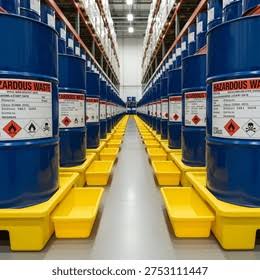
Use suitable containment systems where required, inspect drums and tanks for damage and maintain clear access to emergency equipment. Facilities should prevent spills from reaching drains or soil.
Eliminate ignition sources
Keep open flames, smoking and unsuitable electrical equipment away from flammable solvent areas. During transfers, assess static electricity risks and apply appropriate bonding, grounding and equipment controls.
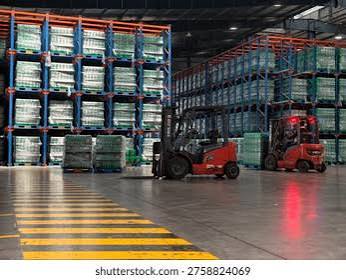
Storage areas should also use suitable containers, clear hazard signage, restricted access and appropriate fire protection. Facilities must determine the necessary equipment and storage quantities based on the chemicals present, local fire codes and applicable workplace requirements.
Personal Protective Equipment and Safe Handling Procedures
Personal protective equipment (PPE) helps reduce exposure when engineering controls and safe work practices cannot eliminate every hazard. Employers should select PPE based on the solvent's properties, the task and the expected exposure route.
Appropriate protection may include chemical-resistant gloves, splash goggles, protective clothing and suitable respiratory protection. Glove materials and respirator filters must match the specific chemical and exposure conditions, since a product that protects against one solvent may provide inadequate protection against another.
Workers should follow a consistent handling procedure:
Review the SDS before use. Identify the chemical's hazards, required PPE, first-aid measures, spill response instructions and storage incompatibilities.
Inspect the container. Check for leaks, corrosion, damaged closures or missing hazard labels before moving or opening the package.
Prepare the work area. Confirm that ventilation operates correctly and that the required spill response materials and emergency equipment remain accessible.
Transfer the solvent carefully. Use compatible equipment and suitable transfer methods to reduce splashes, leaks and vapor release.
Maintain good hygiene. Avoid direct contact, keep food and drinks out of chemical handling areas and wash exposed skin according to the product's safety instructions.
Close and secure containers. Reseal containers promptly after use and return them to the appropriate storage location.
Respiratory protection requires particular attention. Employers should not treat an ordinary face mask as adequate protection against solvent vapors. Where respirators are necessary, the employer should select suitable equipment and implement the applicable fit-testing, training and maintenance requirements.
Workers must also know when to stop an operation. Unusual odors, ventilation failures, damaged containers or unexpected symptoms should trigger the facility's established reporting and response procedures.
Safety Data Sheets, Labels and Chemical Documentation
Accurate documentation allows buyers, warehouse staff, transport providers and end users to identify hazards before a solvent enters their operations. Missing or inconsistent documentation can create safety problems and delay commercial transactions.
A Safety Data Sheet provides essential information about a chemical's properties, hazards, protective measures, storage, handling, transport and emergency response. OSHA's hazard communication requirements use a standardized 16-section SDS format for covered hazardous chemicals.
OSHA+1
Procurement and compliance teams should review the following documents before approving a shipment:
Safety Data Sheet: Confirm the product identity, hazard classifications, handling precautions and emergency procedures.
Container labels: Check that the chemical identity, hazard pictograms, signal words and precautionary statements meet applicable requirements.
Technical specifications: Verify solvent purity, concentration, grade and other parameters required for the intended industrial application.
Transport documentation: Confirm the applicable dangerous goods classification, shipping description, packaging requirements and supporting documents.
Import and export paperwork: Check that commercial invoices, packing lists, permits and other required records match the shipment and destination market.
Companies should ensure that the product name, grade and identifying information remain consistent across documents. A mismatch between the SDS and the material delivered can complicate safe handling, inventory management and regulatory compliance.
Buyers should also request updated documentation when a supplier changes a formulation, grade or product source. Staff need ready access to the relevant SDS during each work shift, along with training that explains how to use it.
Occupational Safety and Health Administration+1
Transport, Spill Response and Emergency Preparedness
Industrial solvent safety must continue beyond the warehouse. Transport operations introduce additional risks because containers may experience movement, vibration, temperature changes and handling at multiple transfer points.
Before dispatch, suppliers should verify that the packaging suits the solvent and the selected transport mode. They should also confirm applicable rules for closures, package markings, hazard labels, load segregation and transport documentation.
Logistics teams should inspect packages before loading and ensure that damaged or leaking containers do not enter the shipment. Warehouses and receiving facilities should establish procedures for unloading, checking incoming materials and reporting discrepancies.
Spill response requires preparation before an incident occurs. Facilities should maintain a written response procedure that identifies responsibilities, emergency contacts, isolation measures and appropriate cleanup methods.
When a spill occurs, workers should:
Alert nearby personnel and restrict access to the affected area.
Eliminate ignition sources only when they can do so safely and in accordance with site procedures.
Avoid direct contact with the released solvent and prevent unprotected personnel from entering the area.
Follow the SDS and the facility's emergency plan to determine whether trained responders must manage containment and cleanup.
Prevent the chemical from entering drains or the environment when this can be done safely.
Arrange appropriate collection and disposal of contaminated absorbents, protective equipment and other waste.
Workers should not attempt to clean a major spill without suitable training and protective equipment. If vapors, fire, an unknown chemical or a potentially dangerous exposure create an immediate threat, personnel should evacuate and contact the designated emergency response team.
Emergency planning should also cover fire response, eye or skin exposure, inhalation incidents and potential contamination of surrounding areas. Regular drills help workers understand their responsibilities and identify weaknesses in emergency procedures.
Environmental Controls and Responsible Solvent Management
Solvent safety also involves preventing environmental releases throughout storage, use and disposal. Leaks, uncontrolled evaporation and improper waste handling can expose workers, contaminate surrounding areas and increase a company's regulatory and cleanup costs.
Businesses should establish controls that address both routine operations and unexpected releases.
Manage emissions: Use suitable ventilation, closed transfer systems or vapor recovery where appropriate to reduce uncontrolled solvent releases.
Control wastewater: Prevent solvents from entering drains unless the facility has an authorized treatment and discharge system that can safely manage them.
Separate hazardous waste: Identify solvent residues, contaminated absorbents and empty containers according to applicable waste rules and the material's remaining hazards.
Maintain spill records: Document incidents, investigate their causes and implement corrective measures to prevent recurrence.
Evaluate recovery options: Where technically and legally appropriate, solvent recovery and reuse can reduce material losses and waste disposal requirements.
Some manufacturers can recover solvents through distillation or other separation processes. The suitability of recovery depends on solvent composition, contamination levels, process economics and the quality requirements of the intended reuse.
Procurement teams can support these efforts by evaluating suppliers' packaging quality, documentation practices and ability to provide consistent product specifications. Reliable supply arrangements help businesses maintain both operational efficiency and responsible chemical management.
What Procurement Teams Should Check Before Buying Industrial Solvents
For chemical buyers, safety begins before a purchase order reaches the supplier. Selecting a solvent based only on price can overlook important differences in grade, packaging, documentation and handling requirements.
A structured procurement review should address several practical questions.
1. Does the product meet the application requirements?
Confirm the required chemical identity, purity, concentration and technical specification. A lower-priced grade may create processing problems or introduce hazards if it does not match the intended application.
2. Can the supplier provide complete safety documentation?
Request the current SDS, compliant labeling information and relevant technical documents. Check that the documents identify the correct product and support safe handling at the receiving facility.
3. Is the packaging suitable for transport and storage?
Review container compatibility, closure integrity, package condition and any applicable dangerous goods requirements. Consider whether the receiving warehouse has the equipment and capacity to store the shipment safely.
4. Can the company manage the material after delivery?
Assess ventilation, fire protection, worker training, spill response arrangements and waste management procedures. Buyers should not order quantities that exceed their facility's safe storage or handling capacity.
5. Does the supplier understand the destination market?
Importers and exporters should confirm the documentation, labeling, classification and permit requirements that apply to the relevant country and transport route. They should also agree on procedures for damaged shipments, documentation discrepancies and product quality complaints.
6. Is the total procurement cost competitive?
Compare the delivered cost, packaging, freight, insurance, storage needs and potential handling expenses rather than evaluating the quoted price alone. Consistent quality and dependable documentation can reduce delays and avoidable operational costs.
These checks help buyers build more resilient sourcing relationships while protecting employees and maintaining compliance across the supply chain.
Building a Safer Industrial Solvent Supply Chain
Industrial solvent safety depends on coordination between manufacturers, chemical traders, logistics providers, warehouse operators and end users. Each party has a role in communicating hazards, maintaining appropriate packaging, preparing accurate documentation and following safe handling practices.
Businesses should review their procedures whenever they introduce a new solvent, change a supplier, modify a process or enter a new market. Regular inspections, employee training and incident reviews help ensure that safety measures remain effective as operations evolve.
For procurement managers, the most effective strategy combines reliable suppliers with product-specific safety assessments and clear receiving requirements. This approach supports safer operations, better inventory control and fewer disruptions across international chemical trade.
As industrial supply chains become more interconnected, companies that integrate safety into purchasing and logistics decisions will be better positioned to manage operational risks and maintain dependable commercial relationships.

Isopropyl Palmitate
SOURCE LINK:https://www.osha.gov/hazcom/standards
Found this useful?