
Industrial Solvents: Selection Criteria and Safe Handling
Industrial Solvents: Selection Criteria and Safe Handling
What Industrial Solvents Do and Why Selection Matters
Solvents are broadly classified based on their chemical properties and applications, with key categories including polar solvents that have a dipole moment and can dissolve polar solutes, such as water, alcohols like methanol and ethanol, and acetone, and non-polar solvents that lack a dipole moment and dissolve non-polar solutes, such as hydrocarbons like hexane, toluene, and xylene, and ethers like diethyl ether. Industrial solvents can be classified based on various criteria, including chemical structure, polarity, volatility, and application, and they are used for cleaning, degreasing, extraction, coating, adhesive formulation, and chemical synthesis across pharmaceuticals, paints, electronics, and textiles. The choice of solvent depends on several characteristics, including chemical compatibility, evaporation rate, solvency power, flash point, toxicity, and cost, and choosing the wrong solvent can cause poor cleaning, product defects, safety incidents, or regulatory violations, which is why selection must be based on technical data, not just price.
Selection Criteria: Polarity, Evaporation, Flash Point and Toxicity
Polarity, Solvency and Chemical Compatibility
Solvents can be organic, meaning they contain carbon, or inorganic, meaning they do not contain carbon, and organic solvents are classified by their chemical structure into three main types: hydrocarbon solvents including aliphatic and aromatic hydrocarbons, oxygenated solvents including alcohols, aldehydes, ketones, glycol ethers, esters and glycol ether esters, and halogenated solvents including chlorinated and brominated hydrocarbons. Solvents can be classified by their chemical structure, polarity, or industrial use, and according to the INRS, there are nine main families of organic solvents, each with specific properties and hazards, which means that a solvent that works for one resin may not work for another. For example, acetone dissolves acrylics and epoxies quickly, toluene dissolves rubbers and alkyds, and isopropyl alcohol (IPA) dissolves polar contaminants on electronics, but each must be checked for compatibility with the substrate, gasket, and container material before use.
Evaporation Rate, Flash Point and Exposure Limits
Class IA solvents with flash point below 73°F and boiling point below 100°F, like acetone, MEK, and ethyl acetate, require explosion-proof electrical equipment, bonding and grounding during transfer, and storage per NFPA 30 Flammable and Combustible Liquids Code, because their vapours can ignite at room temperature. Safety Data Sheets provide information about hazards, handling, storage, exposure controls, and emergency measures for individual substances, and they are among the most important resources for individual solvents, because they list the OSHA 8-hour time-weighted average (TWA) exposure limits under 29 CFR 1910.1000, Table Z-1, for each solvent. Wherever possible, solvents should be non-flammable and non-toxic, and use non-flammable solvents for general cleaning, never use gasoline as a cleaning agent, because the lowest toxicity, highest flash point solvent that still meets performance should always be preferred.
Safe Handling: Storage, Containers and Segregation
Storage Containers and Segregation of Incompatibles
The container material must match the chemical properties of the solvent, especially in terms of corrosion resistance and permeability, where polyethylene and polypropylene resist many solvents, but they break down when exposed to ketones, chlorinated compounds, or aromatic hydrocarbons, while stainless steel holds up well against most flammable and corrosive solvents but fails in presence of halogenated materials unless properly alloyed. The single most important rule is that incompatible chemicals must be stored apart, so that a leak or spill of one cannot reach another, and flammable solvents must be kept away from all ignition sources and oxidisers. Solvents such as acetone, toluene, isopropyl alcohol (IPA), and MEK are highly flammable, with flash points at or below room temperature, and they must be stored in a cool, well-ventilated area, away from direct sunlight and heat, in fire-resistant metal cabinets approved for flammable liquids, with drums and IBC totes grounded during transfer.
Safe Storage and Handling Practices
Store solvents in tightly closed containers in a cool, well-ventilated area, away from heat, sparks, and open flames, and handle solvents with care to avoid spills and leaks, because proper chemical solvent storage safeguards human health, protects the environment, and helps prevent costly waste. Label all solvents clearly, including chemical name, hazard category such as flammable or toxic, and date received, and store flammable solvents properly using fire-resistant metal cabinets, with waste stored in designated containers and never mixed. Organic cleaning solvents include toluene, xylene, alcohols, acetone, methyl ethyl ketone, ethyl acetate, dry-cleaning solvent, kerosene, petroleum ether, turpentine, and morpholine, and these compounds are highly flammable and highly to moderately toxic, so they should be stowed in a flammable liquid storeroom, ready service storeroom, or flammable locker, and must be stored separately from other substances they may react with.
PPE, Ventilation and Emergency Response
PPE and Ventilation for Solvent Handling
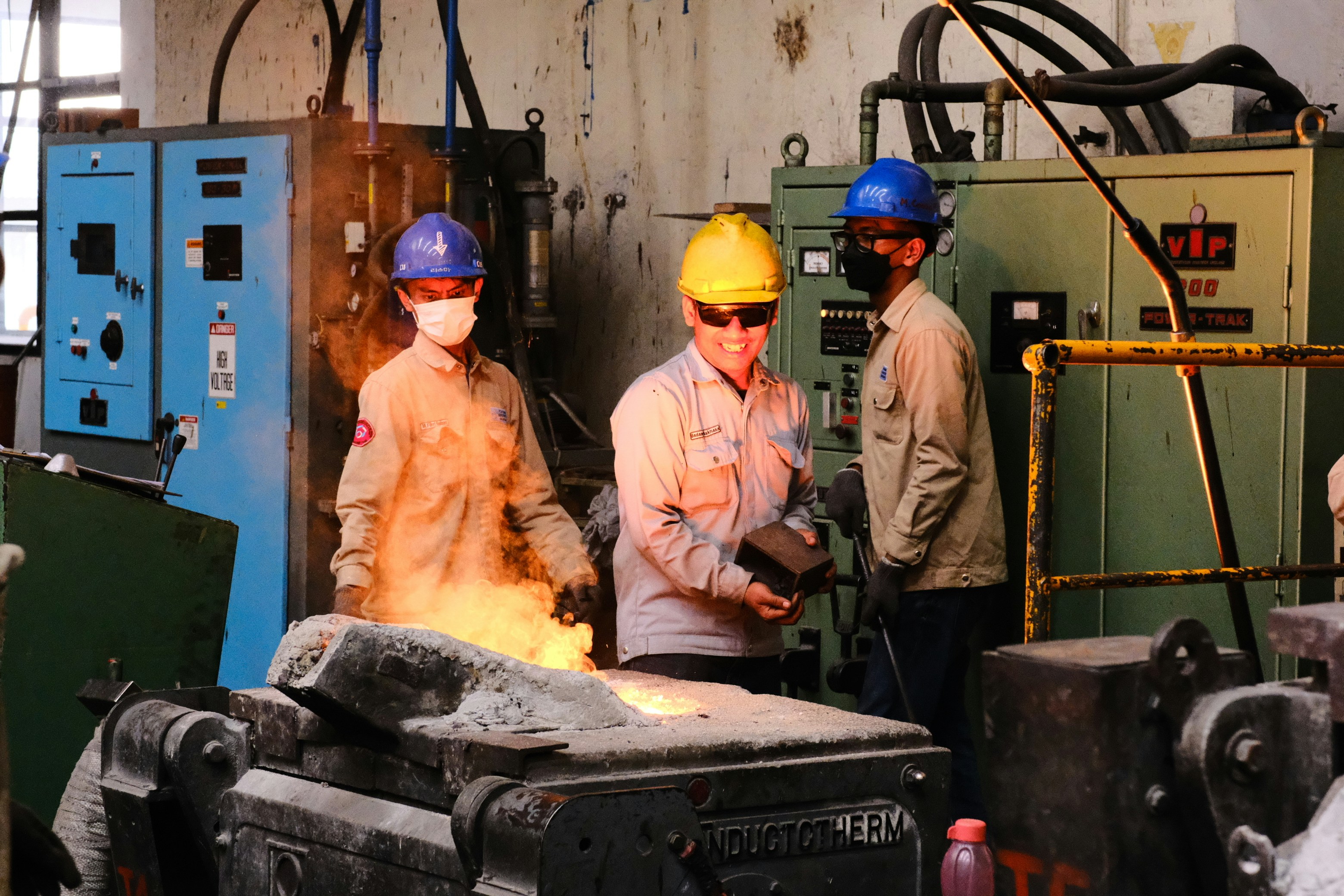
Proper handling is essential to ensure daily safety, and workers handling solvents must wear chemical-resistant gloves, goggles, apron, and respirator where ventilation is insufficient, with the glove material matched to the solvent, because nitrile gloves that resist IPA may fail against acetone or toluene. Ensure flammables and solvents are stored in special storage areas away from ignition sources and any electrical equipment, and use local exhaust ventilation, fume hoods, and explosion-proof equipment in areas where solvents are used, because vapour inhalation is the most common route of exposure. Employers must train workers on SDS, GHS pictograms, and emergency procedures, and must monitor exposure with badges or detectors where TWA limits may be exceeded.
Spill, Fire and Disposal Management
In case of spill, contain with inert absorbent, ventilate the area, eliminate ignition sources, and dispose of waste according to local hazardous waste regulations, never pouring solvents down drains or mixing them with other waste. For fire, use foam, dry powder, or CO2 extinguishers, never water for solvent fires, and for large spills, evacuate and call emergency services. By selecting solvents on polarity, evaporation, flash point, toxicity, and compatibility, and by following NFPA 30, SDS, and GHS rules for storage, segregation, and PPE, industrial buyers can reduce accidents, improve product quality, and meet environmental regulations for VOCs and waste.
Sources with Links:
Solvent Management: A Detailed Guide – Flyriver – https://www.flyriver.com/g/solvent-management-practices
Industrial Solvents Guide: Solvent Types, Functions, Applications, and Storage – Lesotho Education – https://lesothoeducation.info/industrial-solvents-guide-solvent-types-functions-applications-and-storage/
Chemical Storage & Handling Basics for Buyers – Supreme Petrochemicals – https://www.supremepetrochemicals.com/blog/chemical-storage-handling-basics-industrial-buyers
How to Store Chemical Solvents – Enviro Tech International – https://envirotechint.com/what-is-the-best-way-to-store-chemical-solvents/
Industrial Solvents Guide: Selection, Applications & Safety – Alliance Chemical – https://alliancechemical.com/blogs/articles/the-ultimate-guide-to-industrial-solvents-applications-selection-and-safety
Ammonium Bicarbonate (E503(ii))
Found this useful?