Ineos and Recuro's Norway Recycling Facility Signals the Next Phase of Circular Plastics Manufacturing
Europe's transition towards a circular plastics economy continues to accelerate as Ineos and Recuro announce plans to build a plastics recycling facility in Norway. The project represents another important investment in recycling infrastructure as manufacturers seek to increase the availability of recycled polymers while reducing dependence on virgin fossil-based feedstocks.
For polymer producers, converters, traders and procurement professionals, the development reflects a broader market shift. Recycling capacity has become a strategic asset that supports sustainability goals, regulatory compliance and long-term supply resilience across the plastics industry.
Why Plastics Recycling Capacity Is Expanding
Demand for recycled plastics continues to grow across packaging, automotive, construction and consumer goods industries. Manufacturers are under increasing pressure to incorporate recycled content while maintaining product quality and performance.
New recycling facilities help address several industry challenges:
Increase the supply of recycled polymer feedstocks for manufacturers.
Reduce plastic waste sent to landfill or energy recovery.
Support circular economy targets adopted by governments and businesses.
Create more stable regional sources of recycled materials.
As demand rises, investments in advanced recycling infrastructure are becoming essential to keep pace with market requirements.
What the Norway Project Means
The planned partnership between Ineos and Recuro will establish a plastics recycling facility in Norway, expanding the country's recycling infrastructure and strengthening Europe's circular plastics network.
The investment is expected to contribute to:
Greater processing capacity for plastic waste.
Increased production of recycled raw materials.
Improved regional availability of circular polymer feedstocks.
Enhanced collaboration between recycling and polymer manufacturing.
Rather than viewing waste plastics as a disposal problem, the industry increasingly recognises them as valuable secondary raw materials.
Circular Feedstocks Are Becoming More Important
Plastic manufacturers are balancing sustainability commitments with commercial competitiveness.
Recycled feedstocks offer several advantages:
Lower demand for virgin fossil-based raw materials.
Support for corporate sustainability and ESG objectives.
Greater flexibility in meeting customer recycled-content requirements.
Improved resource efficiency across manufacturing operations.
As recycling technologies improve, recycled polymers continue to expand into higher-value applications that traditionally relied on virgin materials.
Europe's Regulatory Landscape Supports Investment
Europe remains one of the world's most active regions for promoting circular plastics.
Regulatory initiatives continue to encourage:
Increased recycling rates.
Higher recycled-content usage.
Improved waste collection systems.
Greater producer responsibility throughout product lifecycles.
Investment in advanced recycling technologies.
These policy trends provide stronger incentives for companies to expand recycling infrastructure while supporting long-term market demand for recycled polymers.
Benefits for Polymer Buyers and Procurement Teams
Growing recycling capacity can improve sourcing opportunities for companies seeking recycled materials.
Procurement professionals may benefit from:
More reliable regional supplies of recycled polymers.
Reduced exposure to imported recycled feedstocks.
Greater supplier diversity within Europe.
Improved availability of sustainable material options.
Enhanced supply chain resilience through local processing capacity.
As recycling networks mature, buyers gain greater flexibility when balancing cost, quality and sustainability objectives.
Advanced Recycling Complements Traditional Recycling
Mechanical recycling remains an important part of plastics recovery, but advanced recycling technologies are gaining greater industry attention.
Together, these approaches can:
Recover a broader range of plastic waste streams.
Improve material quality for demanding applications.
Increase overall recycling efficiency.
Support higher-value end uses for recovered polymers.
A diversified recycling ecosystem enables manufacturers to maximise resource recovery while meeting increasingly stringent customer expectations.
Norway's Strategic Role in the Circular Economy
Norway has steadily strengthened its position in sustainable industrial development through investments in clean energy, advanced manufacturing and environmental technologies.
Adding new plastics recycling capacity supports this broader strategy by:
Expanding domestic circular manufacturing capabilities.
Creating additional value from post-consumer plastic waste.
Supporting European climate and resource-efficiency objectives.
Strengthening regional industrial competitiveness.
The partnership also demonstrates growing collaboration between established chemical producers and specialist recycling companies.
Market Outlook for Recycled Plastics
The market for recycled polymers is expected to continue expanding as governments, manufacturers and consumers place greater emphasis on sustainability.
Future growth will likely depend on:
Continued investment in recycling infrastructure.
Improvements in waste collection and sorting systems.
Advances in recycling technology.
Stable demand for recycled-content products.
Collaboration across the plastics value chain.
Companies investing in recycling today are positioning themselves to meet future regulatory requirements while supporting more sustainable manufacturing practices.
What Polymer Buyers Should Watch
The planned Ineos and Recuro recycling facility highlights the growing importance of circular feedstocks within the global plastics industry. As additional recycling capacity comes online, buyers can expect greater availability of recycled materials, stronger regional supply chains and improved opportunities to meet sustainability targets.
For procurement teams, monitoring investments in recycling infrastructure offers valuable insight into future material availability and evolving market dynamics. Companies that diversify sourcing between virgin and recycled polymers will be better positioned to manage changing customer expectations and regulatory requirements.
Ready to source plastic and polymer products from verified global suppliers? Explore competitive offers on our platform today.
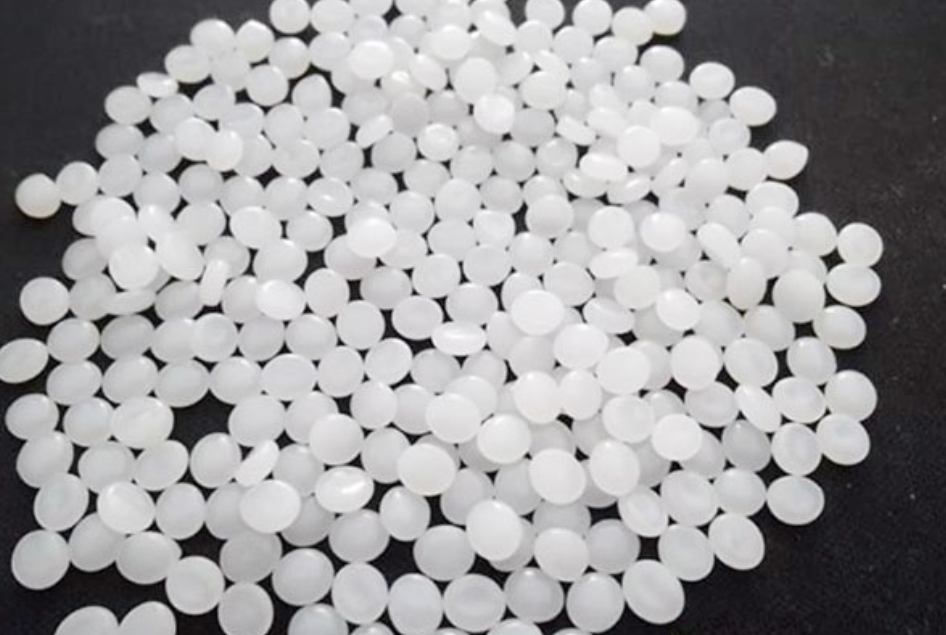
High Density Polyethylene (HDPE)
Found this useful?