Ineos-Recuro Norway Facility Signals Continued European Plastics Circularity Investment
The planned Norwegian plastics recycling facility developed by Ineos and Recuro adds to continued European investment in circularity infrastructure, reinforcing the continent’s commitment to building domestic secondary raw material capacity despite broader economic headwinds. This project joins dozens of announced mechanical and chemical recycling initiatives across Germany, France, Spain and Scandinavia that collectively aim to close the gap between regulatory mandates and available supply. For chemical traders and procurement managers sourcing recycled polymers, this sustained capital deployment signals maturing market fundamentals beyond policy-driven speculation. The geographic concentration of new facilities creates emerging regional supply clusters that reduce logistics costs and improve material traceability for local manufacturers. Buyers should interpret this investment wave as validation of circular business models achieving commercial viability independent of subsidy support alone. Market participants now shift focus from announcement volumes to operational execution and offtake conversion rates as projects advance toward commissioning. This evolution marks transition from speculative development phase to industrial scaling era for European plastics circularity.
Structural Drivers Sustaining Circularity Capital Deployment
Regulatory frameworks including EU Packaging Regulation and Single-Use Plastics Directive create non-discretionary demand floors that de-risk investment decisions regardless of virgin resin price cycles. Minimum recycled content mandates escalate progressively through 2030, guaranteeing baseline offtake volumes for compliant secondary materials. Suppliers securing early-mover positions lock in preferred customer relationships before allocation constraints emerge during peak compliance periods.
Corporate sustainability commitments from major brand owners supplement regulatory drivers with voluntary procurement targets extending beyond legal minimums. Multinational consumer goods companies publicly pledge fifty to one hundred percent recycled content in packaging portfolios by 2030, creating premium demand tiers for high-quality post-consumer resins. These corporate offtake agreements provide revenue visibility enabling project financing at favorable terms compared to merchant market exposure.
Feedstock availability improves as municipal collection systems modernize and extended producer responsibility schemes mature across member states. Separate collection mandates and deposit return systems increase yield rates and reduce contamination levels in post-consumer waste streams. Reliable input supply addresses historical bottleneck that previously constrained recycling economics and deterred institutional capital participation.
Regional Supply Cluster Formation and Logistics Benefits
Norway’s facility anchors emerging Nordic recycling hub leveraging abundant renewable hydroelectric power and organized waste collection infrastructure. Proximity to Swedish and Danish converters enables low-emission regional distribution networks reducing scope three footprint versus imported alternatives. Cross-border trade facilitation through harmonized certification standards allows seamless material flows within Scandinavian markets without customs friction.
Western European clusters centered on Germany, Netherlands and Belgium benefit from dense converter populations and established logistics corridors connecting ports to inland manufacturing sites. Pipeline and rail infrastructure originally built for virgin polymer distribution adapts efficiently for secondary material transport at scale. Geographic concentration enables shared service ecosystems including testing laboratories, certification bodies and trading platforms that reduce transaction costs.
Southern European developments in Spain and Italy address regional self-sufficiency gaps while leveraging Mediterranean waste collection improvements and solar energy advantages. Local production reduces dependency on Northern European imports subject to freight volatility and currency exposure. Emerging Southern clusters create competitive tension preventing regional monopolies and supporting price discovery mechanisms.
Technology Diversification Within Investment Wave
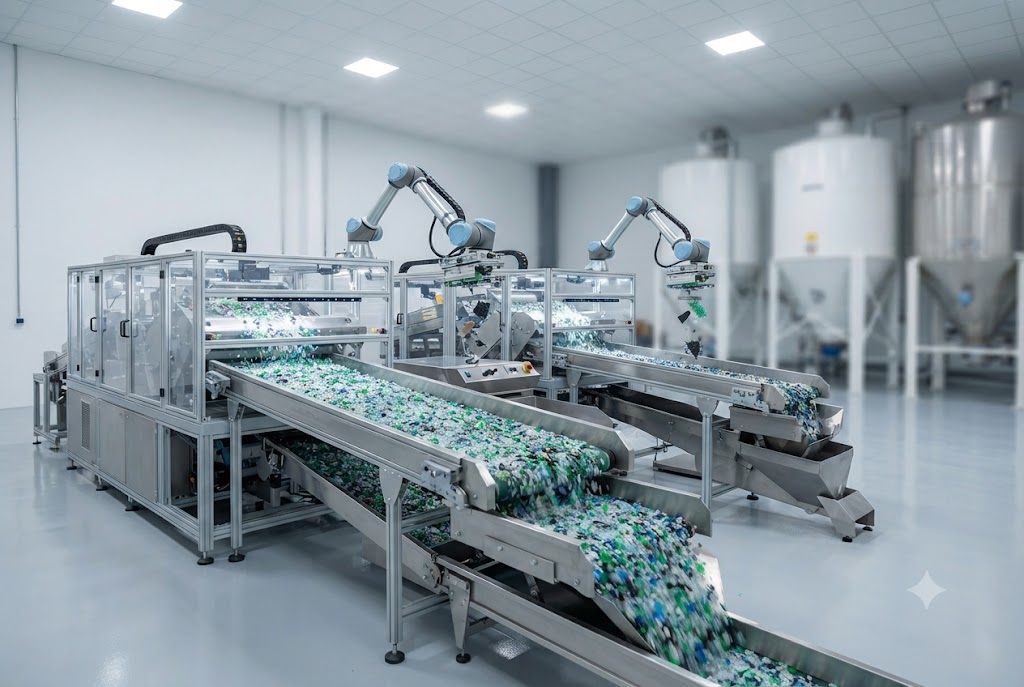
Mechanical recycling dominates current investment volumes due to proven technology readiness and lower capital intensity versus chemical alternatives. Advanced sorting, washing and extrusion lines process polyolefin and PET streams into food-contact approved grades meeting stringent quality specifications. Continuous process improvements narrow performance gaps with virgin resins while reducing yield losses and energy consumption per ton output.
Chemical recycling projects attract significant capital despite longer development timelines and higher technical risk profiles. Pyrolysis, gasification and depolymerization technologies address mixed and contaminated waste streams mechanically unprocessable, expanding addressable feedstock universe. Integration with existing steam cracker and aromatics complexes enables drop-in circular feedstocks without dedicated downstream conversion assets.
Hybrid approaches combining mechanical and chemical pathways optimize overall system economics by routing appropriate waste fractions to most efficient processing routes. Pre-sorting operations separate high-value mechanical recycling candidates from residual streams destined for chemical conversion. Integrated site designs capture synergies in utilities, logistics and byproduct utilization that standalone facilities cannot achieve.
Offtake Conversion Challenges Amid Capacity Buildout
Announced capacity frequently exceeds contracted offtake volumes as developers secure permits and financing ahead of binding customer commitments. Speculative projects lacking anchor tenants face commissioning delays or cancellation when market conditions deteriorate during multi-year development cycles. Buyers distinguishing committed versus speculative capacity avoid overestimating near-term supply availability in sourcing models.
Quality specification alignment remains critical barrier converting announced capacity into reliable supply streams. Recyclers optimizing for throughput may produce off-spec material failing customer purity or color requirements despite nominal capacity ratings. Rigorous qualification processes including trial batches and stability testing extend lead times between facility startup and commercial acceptance significantly.
Contract structure evolution reflects learning from early-generation agreements that misaligned incentives between suppliers and buyers. Take-or-pay provisions balance supplier revenue security with buyer volume flexibility during demand uncertainty periods. Index-linked pricing mechanisms tie recycled resin premiums to virgin benchmarks plus verified sustainability attributes rather than fixed premiums vulnerable to commodity cycle swings.
Certification and Traceability Infrastructure Maturation
Third-party certification schemes including ISCC PLUS, SCS Global and EuCertPlastics establish standardized methodologies for verifying recycled content claims across complex supply chains. Harmonized standards enable cross-border material acceptance without redundant auditing burdens slowing trade flows. Buyers relying on certified materials gain regulatory compliance assurance and brand protection against greenwashing allegations.
Digital traceability platforms using blockchain or centralized databases provide real-time visibility into material provenance from collection through final pelletization. Immutable records prevent double-counting of recycled content credits that undermine market integrity and regulatory credibility. Integration with enterprise resource planning systems automates documentation generation reducing administrative burden for procurement teams.
Mass balance accounting enables attribution of recycled content to specific product batches even when physical material flows through commingled infrastructure. This approach unlocks circular economy participation for complex value chains where segregated handling proves economically unviable. Regulatory acceptance of mass balance varies by jurisdiction requiring careful navigation of applicable rules for each target market.
Adjusting Sourcing Strategies Around Maturing Markets
Distinguish commissioned versus announced capacity in supply assessments to avoid overestimating near-term availability during planning cycles.
Prioritize suppliers with binding offtake agreements demonstrating commercial validation beyond speculative development announcements.
Evaluate regional cluster proximity to your manufacturing sites for logistics cost and carbon footprint optimization opportunities.
Verify certification scheme acceptance across all target markets to ensure regulatory compliance and customer recognition of sustainability claims.
Negotiate contract structures balancing volume flexibility with supply security through hybrid take-or-pay and index-linked pricing mechanisms.
Continued European circularity investment exemplified by the Ineos-Recuro Norway facility transforms recycled polymers from niche alternatives into mainstream feedstocks with industrial-scale supply infrastructure. Industrial procurement professionals who understand this maturation trajectory will secure preferential access to quality secondary materials before allocation constraints intensify. Ready to source recycled polyethylene from verified global suppliers? Explore competitive offers on our platform today.
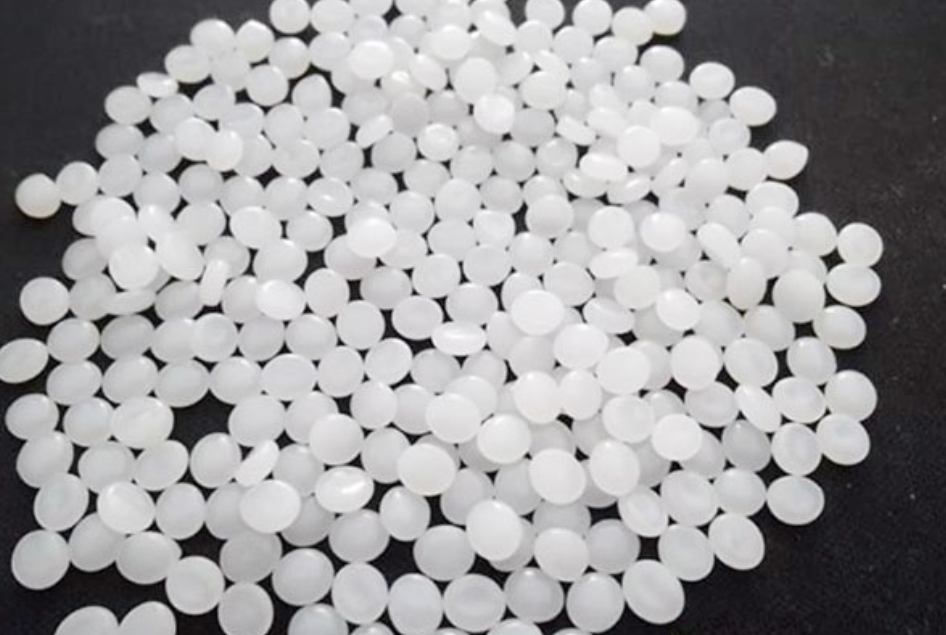
High Density Polyethylene (HDPE)
Found this useful?