Ineos Takes Delivery of a Module Delayed by the Iran War
Ineos Takes Delivery of a Module Delayed by the Iran War
Ineos has taken delivery at the Port of Antwerp of the first of the final two process modules required to complete its Project ONE ethane cracker. The module, built in Abu Dhabi, had been trapped for months by the war in Iran and the associated disruption to shipping through the Strait of Hormuz. After the transport vessels passed the strait during a one-week ceasefire in mid-June, they continued via the Suez Canal and reached Antwerp approximately six weeks later. The second and final module was expected to follow shortly thereafter, allowing the company to finish installation of the major heavy-lift components of the complex.
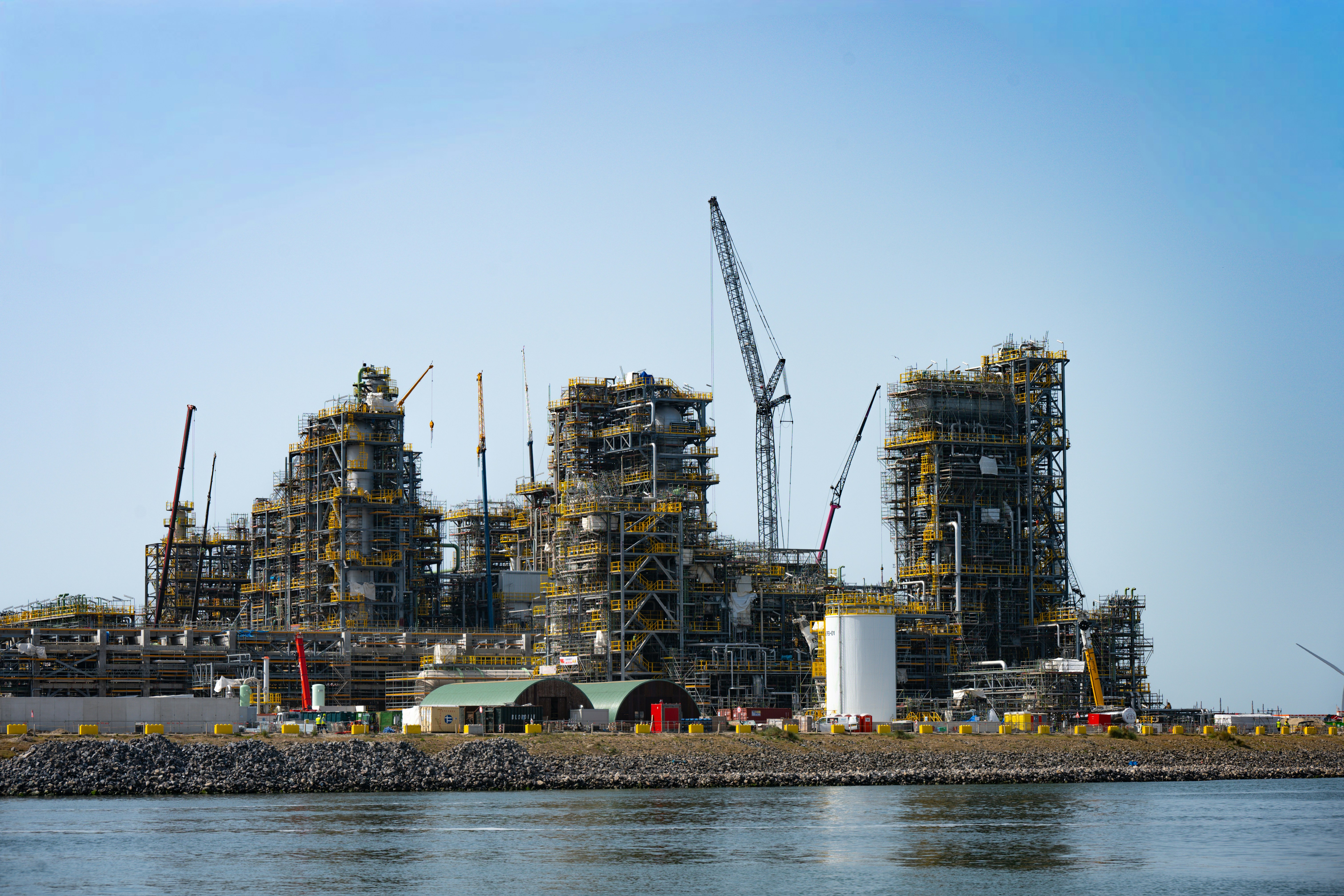
Project ONE is Ineos’s multi-billion-euro ethane cracker development in Antwerp, one of the most significant petrochemical investments under construction in Europe. The safe arrival of the delayed modules removes a critical path obstacle that had been created by geopolitics rather than by engineering or procurement failure.
The Modules and Their Journey
The delivered module weighs approximately 6,920 tonnes and stands 55 metres high—comparable in mass to a large portion of the Eiffel Tower’s steel structure and in height to a mid-rise building. It ranks among the heaviest project cargoes handled at the Port of Antwerp in recent years and exceeds the weight of the Project ONE furnaces that arrived earlier. The second module, at around 7,200 tonnes, completes the set of major process modules for the cracker.
Both units were fabricated in Abu Dhabi. Their ocean transport became impossible for an extended period once conflict-related restrictions closed or severely limited transit through the Strait of Hormuz. Only when a temporary ceasefire created a narrow window could the vessels make the passage; the subsequent leg through the Suez Canal and northward to Belgium then proceeded without further geopolitical interruption. Upon arrival the protective steel transport structures must be removed before the module can be lifted onto its foundation at the heart of the plant.
Project ONE Status and Next Steps
With the final modules on site, construction activity at the Antwerp location is at peak intensity. Roughly 2,500 workers from dozens of contractors are engaged, and cumulative man-hours already run into the millions. Mechanical completion is targeted for the following summer, with start-up of the ethane cracker planned for the second half of 2027. The arrival of the delayed heavy lifts allows the project team to maintain that schedule sequence: set the modules, complete piping and electrical hook-up, and move into pre-commissioning and commissioning phases.
John McNally, CEO of Ineos Project ONE, described the delivery as a major relief and an important milestone, noting that the modules can now take their final positions so that the overall installation can be completed and the complex prepared for start-up.
Geopolitical Exposure of Mega-Project Logistics
The episode illustrates the vulnerability of large-scale chemical and energy projects to chokepoint disruption. Critical path equipment fabricated in the Middle East or Asia and destined for Europe must normally transit the same maritime corridors that carry crude, naphtha and LPG. When those corridors are blocked or rendered commercially unviable by conflict or insurance withdrawal, even the most carefully planned construction schedules slip. In this case the delay was measured in months; the modules themselves were unharmed, but the project had to absorb the waiting time and the associated carrying costs and sequencing adjustments.
For other European petrochemical and energy transition projects that rely on oversized modules or specialised equipment from the Gulf or Asia, the Ineos experience serves as a live case study in geopolitical logistics risk. Dual fabrication strategies, earlier shipment windows, or alternative routing options (where they exist) become more attractive once the cost of delay is demonstrated so clearly.
Broader Context for European Cracker Investment
Project ONE is intended to supply competitive ethane-based olefins into the European market, leveraging imported ethane and modern, lower-emission cracker technology. Completing the plant on the revised but still coherent timetable preserves the strategic rationale of the investment. The successful extraction of the modules from the Hormuz bottleneck and their delivery to Antwerp keeps that timetable intact and removes one of the more visible external threats to the project’s critical path.
Outlook
Ineos now has the first of the two final Project ONE modules on the quay in Antwerp and expects the second to arrive imminently. Once both are installed, the major heavy-lift phase of the cracker construction will be complete and the focus will shift fully to integration, systems completion and preparation for start-up in the second half of 2027. The delivery closes a geopolitically imposed delay and returns control of the schedule to the project team and its contractors. In an environment where Middle East-related shipping risk continues to affect energy and chemical supply chains, the safe arrival of these modules is both a project-specific milestone and a reminder of the exposure that oversized, single-source equipment carries in a contested maritime geography.
Sources
Copper Sulphate Anhydrous
Found this useful?