LANXESS and Wuxi South Sign an MoU on Lubricant Additives Supply in Asia-Pacific
LANXESS and Wuxi South Petroleum Additive Co. have signed a Memorandum of Understanding (MoU) to explore strategic cooperation in lubricant additives across China and the wider Asia-Pacific region.
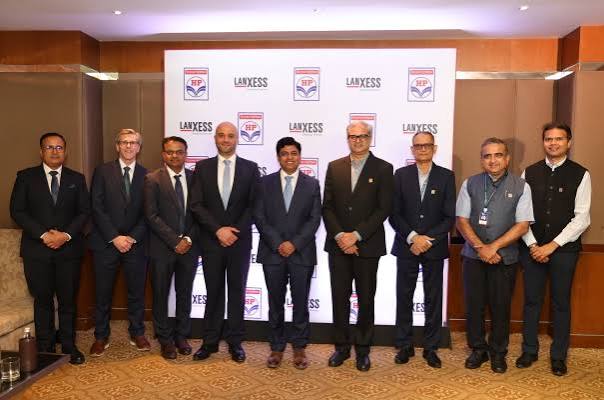
Signed on September 18, 2026, at LANXESS headquarters in Cologne, the agreement creates a framework for evaluating cooperation across selected lubricant-additive value chains. The companies are targeting stronger regional supply resilience, manufacturing capabilities, and customer support.
Importantly, the MoU does not represent a finalized commercial partnership. It establishes a basis for further technical, commercial, and supply-chain discussions.
Why the Cooperation Matters
Lubricant additives play a critical role in improving the performance and durability of automotive and industrial lubricants.
Additives can provide properties such as:
Wear protection
Corrosion protection
Oxidation resistance
Extreme-pressure performance
Friction control
Improved lubricant service life
LANXESS already offers lubricant additive solutions under its Additin® brand, covering antioxidants, corrosion inhibitors, antiwear additives, extreme-pressure additives, specialties, and additive packages.
The proposed cooperation with Wuxi South could therefore strengthen LANXESS' ability to serve customers from a more regionally integrated supply network.
Asia-Pacific Becomes the Supply-Chain Focus
Asia-Pacific is a major market for lubricants, supported by automotive manufacturing, industrial production, machinery, transportation, and broader manufacturing activity.
The companies specifically highlighted growing customer demand for:
Local supply
Shorter lead times
Dependable product availability
Regional technical support
Supply-chain resilience
This reflects a wider shift in chemical procurement toward regionalization, where customers increasingly value suppliers capable of producing and supporting products closer to their manufacturing operations.
Complementary Capabilities
The potential value of the MoU comes from the different capabilities each company could bring to the relationship.
LANXESS
LANXESS contributes:
Lubricant-additive formulation expertise
Technical knowledge
Established market access
Global customer relationships
Application development capabilities
Wuxi South
Wuxi South contributes:
Manufacturing capabilities
Regional supply infrastructure
China-based production
Local market knowledge
The proposed model could therefore combine international specialty-chemical expertise with regional manufacturing and distribution capabilities.
Local Manufacturing Can Improve Supply Resilience
For lubricant-additive customers, supply disruptions can affect finished lubricant production and ultimately industrial operations.
Regional manufacturing can potentially help reduce exposure to:
Long-distance logistics disruptions
Extended lead times
Port congestion
Cross-border transportation risks
Regional supply shortages
Excessive dependence on individual production locations
LANXESS already maintains a significant Asian footprint, including production, R&D, sales, and technical capabilities across China and other Asia-Pacific markets.
The Wuxi South cooperation framework could provide another route toward strengthening this regional supply model.
Procurement Implications
For lubricant manufacturers and industrial buyers, the development highlights several procurement trends.
1. Regional Supply Is Becoming More Important
Buyers increasingly want reliable sources located closer to their manufacturing operations.
2. Lead Time Matters Alongside Price
A lower product price can become less attractive if supply interruptions create production delays.
3. Technical Support Adds Value
Specialty additives often require formulation and application expertise, making technical support an important supplier-selection factor.
4. Dual Sourcing Can Reduce Risk
Multiple qualified supply sources can provide greater flexibility when market conditions change.
5. Long-Term Cooperation Can Strengthen Availability
Strategic supplier relationships can provide better visibility into future capacity, product development, and regional supply planning.
Competitive Intelligence
Companies monitoring lubricant additives should track several developments following the MoU.
Regional Capacity
Watch for new or expanded additive manufacturing capacity across China and Southeast Asia.
Localization
Monitor whether global specialty-chemical producers increasingly partner with local manufacturers to serve Asian customers.
Product Development
Track new additive formulations designed for fuel efficiency, longer equipment life, lower emissions, and specialized applications.
Customer Qualification
Changes in approved supplier networks can provide early signals of shifting competitive positions.
Supply-Chain Investment
Regional warehouses, technical centers, and production facilities can indicate where companies expect future demand to develop.
The MoU Is Not Yet a Capacity Expansion
One important distinction for market intelligence is that the agreement does not currently announce a specific new production facility, capacity figure, investment amount, or finalized commercial structure.
Instead, it establishes a framework for the two companies to evaluate potential cooperation.
For procurement teams, this means the immediate impact should be viewed as strategic rather than a confirmed increase in available lubricant-additive capacity.
Future announcements will be important for determining whether the cooperation develops into manufacturing, distribution, technology, or other commercial arrangements.
Looking Ahead
The LANXESS-Wuxi South MoU reflects a broader transformation in specialty-chemical supply chains across Asia-Pacific.
Global chemical companies are increasingly balancing international technology and customer networks with localized manufacturing, shorter logistics routes, and regional supply resilience.
For lubricant additives, this approach can become particularly important as automotive and industrial customers demand reliable product availability alongside increasingly specialized performance requirements.
The next key indicators will be whether the companies move from the current evaluation framework toward specific product cooperation, manufacturing arrangements, technical partnerships, or commercial supply agreements.
For procurement teams, the broader lesson is to monitor strategic partnerships before they become full-scale capacity announcements. Early cooperation agreements can provide useful signals about where specialty-chemical companies expect future demand and where regional supply networks may be strengthened.
Key Takeaways
LANXESS and Wuxi South signed an MoU on September 18, 2026 to explore lubricant-additive cooperation.
The proposed cooperation covers China and the wider Asia-Pacific region.
LANXESS would contribute formulation expertise and market access, while Wuxi South would contribute manufacturing and regional supply capabilities.
The cooperation targets stronger supply resilience, shorter lead times, and improved regional customer support.
The MoU is a framework for further discussions, not yet a finalized commercial partnership or announced capacity expansion.
Regional manufacturing and localized supply are becoming increasingly important in Asia-Pacific lubricant markets.
Future announcements will determine whether the cooperation develops into specific manufacturing, technical, or commercial arrangements.
Sources
Barium Chloride Dihydrate
Found this useful?