INERATEC Ships E-Wax Made From Captured CO₂ for Use in Food
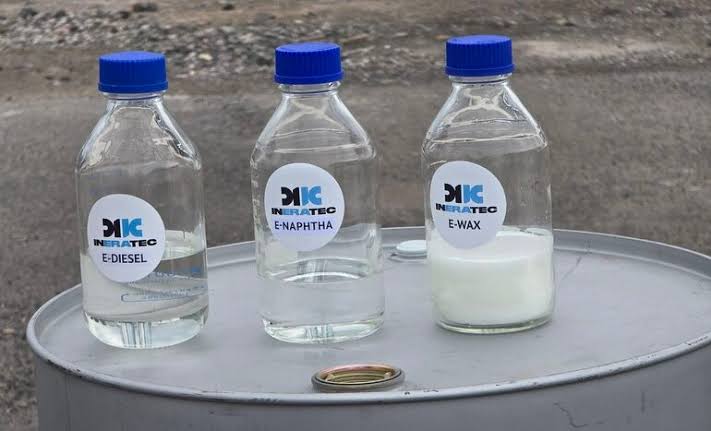
INERATEC has shipped the first commercial batch of its MATERA® e-Wax to a U.S.-based innovator developing next-generation edible fats. The October 6, 2026, delivery marks a new application for synthetic hydrocarbons produced using captured carbon dioxide, renewable hydrogen, and renewable electricity.
The shipment consists of several tonnes of synthetic Fischer–Tropsch wax that can be further processed into edible fats. Rather than using captured carbon exclusively for fuels or industrial chemicals, the project explores how recycled carbon could become a feedstock for food-related applications.
The milestone highlights a potential new pathway for producing specialty fats while reducing dependence on conventional agricultural feedstocks. Its commercial potential will depend on processing economics, product performance, regulatory requirements, and the ability to scale production.
From Captured CO₂ to Synthetic Wax
INERATEC uses Power-to-X technology to convert captured carbon dioxide and hydrogen into synthetic hydrocarbons. Renewable electricity supplies the energy needed for this process.
The production pathway can be summarized as:
Captured CO₂ + Renewable Hydrogen + Renewable Electricity → Synthetic Hydrocarbons → e-Wax → Further Processing into Edible Fats
The resulting MATERA® e-Wax is a synthetic Fischer–Tropsch product. Although initially developed as an industrial raw material, its hydrocarbon composition also makes it a potential intermediate for further processing into alternative fats.
The latest shipment demonstrates that this application has advanced beyond laboratory-stage discussion to an initial commercial-scale material delivery. However, the edible fats themselves still require further processing by the receiving developer.
Why Alternative Fat Feedstocks Matter
Conventional fat production can depend on livestock, oil crops, agricultural land, and associated supply chains. These systems face pressures involving land use, resource consumption, environmental performance, and changing consumer expectations.
Alternative production technologies could diversify the sources used to manufacture fats and fat-like ingredients.
Potential advantages include:
Greater diversity in feedstock options
Reduced dependence on selected agricultural inputs
Opportunities to use captured carbon as a raw material
Potential reductions in land-use requirements
New pathways for developing specialty fats
Additional commercial applications for renewable hydrogen and electricity
These benefits are not automatic. The environmental performance of synthetic fats will depend on the source of carbon dioxide, the electricity mix, hydrogen production, processing efficiency, and the full lifecycle of the final product.
The Role of Power-to-X in Food Innovation
Power-to-X technologies convert electricity and raw materials such as carbon dioxide into useful products, including fuels, waxes, methanol, and other chemical intermediates.
INERATEC's shipment illustrates how this technology platform may serve markets beyond transportation and conventional industrial chemicals.
For food-related applications, the important distinction is that the synthetic wax is a feedstock, not a finished edible ingredient. Further chemical processing must transform it into fats with the required composition, functional properties, safety profile, and performance.
This creates a potential connection between renewable-energy infrastructure, carbon utilization, chemical manufacturing, and food ingredient innovation.
Potential Applications in Edible Fats
Alternative fats may eventually serve selected food applications if developers can achieve the required technical and regulatory standards.
Key performance considerations include:
Melting behavior and solid-fat profile
Texture and mouthfeel
Oxidative stability
Functional performance in formulations
Purity and consistency
Food safety
Regulatory acceptance
Production cost at commercial scale
Different food applications require different fat characteristics. A synthetic feedstock that works for one formulation may not be suitable for another without additional processing or modification.
The next important milestone will be demonstrating that the resulting fats can meet customer specifications and applicable food regulations at commercially viable costs.
Sustainability and Carbon Utilization
The project reflects a broader effort to use captured carbon as a resource rather than treating it solely as a waste stream.
By combining captured CO₂ with renewable hydrogen, producers can potentially manufacture hydrocarbons without relying entirely on fossil-derived carbon.
However, the term carbon-derived does not by itself establish that a product is carbon-neutral or has a lower lifecycle footprint. A robust assessment must consider the source of energy, the origin of hydrogen, carbon capture, manufacturing, transportation, and the eventual use or disposal of the final product.
For buyers, independently supported lifecycle data will be important when comparing alternative fats with conventional ingredients.
Market Implications
INERATEC's first commercial e-Wax shipment highlights several emerging developments across sustainable feedstocks and food innovation.
1. New Feedstock Pathways
Captured CO₂ and renewable hydrogen may provide additional raw-material routes for selected food-related products.
2. Cross-Industry Collaboration
The project connects synthetic fuel and chemical technology with food ingredient development, creating opportunities for partnerships across traditionally separate industries.

3. Demand for Renewable Carbon
Companies seeking alternatives to fossil-based feedstocks may increasingly evaluate carbon-utilization technologies.
4. Scale-Up Challenges
Initial commercial deliveries are important milestones, but broader adoption will depend on consistent supply, processing capacity, economics, and regulatory acceptance.
5. Differentiation Through Technology
Companies that demonstrate reliable production and commercially useful performance may establish differentiated positions in emerging alternative-fat markets.
Competitive Intelligence
Companies tracking sustainable feedstocks and alternative food ingredients should monitor several indicators.
Production scale: Whether INERATEC expands e-Wax output and secures additional commercial customers.
Conversion performance: Whether the receiving developer successfully converts the wax into fats that meet target specifications.
Regulatory progress: Whether the resulting ingredients satisfy applicable safety and food-use requirements in target markets.
Lifecycle emissions: Whether independent assessments demonstrate environmental advantages over conventional alternatives.
Commercial economics: Whether production costs become competitive at larger volumes.
Customer adoption: Whether food manufacturers and ingredient developers begin qualifying these materials for specific applications.
Procurement Considerations
Food ingredient procurement teams should distinguish between an emerging feedstock technology and an approved, commercially available finished ingredient.
Before considering a synthetic-fat product for sourcing, buyers should evaluate:
Product specifications and functional performance
Food-grade manufacturing controls
Regulatory status in the intended market
Traceability and feedstock documentation
Independent lifecycle assessments
Commercial production capacity
Pricing and long-term supply commitments
Supplier quality systems and technical support
Until the finished ingredient has completed the necessary processing and qualification steps, procurement teams should treat the technology as an emerging supply option rather than an established replacement for conventional edible fats.
Looking Ahead
INERATEC's first commercial shipment of MATERA® e-Wax represents a notable step in the development of carbon-derived feedstocks for food-related applications.
The project demonstrates how Power-to-X technology may connect renewable electricity, captured carbon, synthetic chemistry, and next-generation food ingredients.
The next stage will be determining whether the wax can be converted into fats that meet food safety, performance, regulatory, and cost requirements at scale.
For the wider food ingredients industry, the development is worth monitoring as a potential example of how alternative feedstocks could diversify future sourcing options.
Key Takeaways
INERATEC shipped several tonnes of MATERA® e-Wax to a U.S.-based developer of next-generation edible fats.
The synthetic Fischer–Tropsch wax is produced using captured CO₂, renewable hydrogen, and renewable electricity.
The wax is an intermediate feedstock that requires further processing before it can become an edible fat.
Alternative fat production could create new feedstock pathways and reduce reliance on selected agricultural inputs.
Environmental benefits will depend on lifecycle performance and the energy and carbon sources used.
Commercial adoption will require suitable product performance, regulatory acceptance, reliable supply, and competitive economics.
Sources
https://chemxplore.com/news/ineratec-e-wax-food-applications
Benzoic Acid (E210)
Found this useful?