Carbon nanotube manufacturers, battery cathode suppliers and oilfield service chemists all show up in the same regulatory document this cycle. EPA's TSCA section 5 receipt and status report covering February through April 2026 gives a broad snapshot of where new chemical activity is concentrated right now, and the range is wider than most single reports usually show.
This particular notice runs through submissions received across a stretch of months rather than just one, giving it a fuller picture than a typical monthly filing. Reading through it closely tells a useful story about where industrial chemistry investment is heading.
Why Carbon Nanotubes Dominate This Cycle
Cabot Corporation filed three separate Premanufacture Notices for multi-walled carbon nanotubes intended as additives in industrial applications, one specifically covering import in liquid or dispersion form. Alongside these, a fourth confidential submission covers single-walled carbon nanotubes intended for uses ranging from improving electrical conductivity to heat dissipation and field emission applications.
What stands out is the accompanying test data. Each of these carbon nanotube cases includes in vitro skin sensitization testing under OECD Test Guideline 442E, plus respiratory sensitization testing. That level of toxicological scrutiny reflects how seriously EPA treats nanomaterial exposure risk, even when the intended use is a fairly conventional industrial additive role.
A related filing on turbostratic graphene includes an unusually detailed engineering and monitoring package, covering clean room filtration efficacy, dust collector specifications and airborne particle monitoring data. Submissions like this show that nanomaterial manufacturers are increasingly expected to document occupational exposure controls alongside the chemical filing itself.
Battery Materials Keep Showing Up Case After Case
SK Battery America filed a submission covering a substance intended specifically for battery cathode manufacture, described generically as a cobalt lithium manganese nickel oxide metal compound. Two related confidential notices of commencement cover near identical cobalt lithium manganese nickel oxide substances, confirming that similar battery cathode chemistry has already begun actual manufacture rather than sitting in review.
A separate cathode active material submission, tied to an iron lithium phosphate salt, appears again in this filing after showing up in earlier reports. This kind of repeat appearance across multiple monthly notices is common for battery chemistry, since manufacturers often file amendments or updates as production scales up.
One test marketing exemption submission also stands out. It covers a cleaning solvent used in a closed electrolyte mixing process, filed under a battery electrolyte ingredient description and updated across three separate receipt dates within the same month.
Oilfield and Industrial Corrosion Chemistry
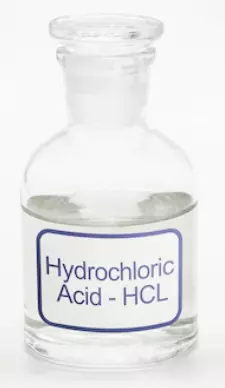
Integrated Chemical Technologies appears twice in this notice with distinct oilfield applications. One submission describes a conditioner added to hydrochloric acid solutions to inhibit corrosion of steel during acid treatment, with a specific dosing range of five to ten gallons per thousand gallons of 15 weight percent hydrochloric acid. A second filing from the same company covers a corrosion inhibitor used during acidizing of hydrocarbon shale formations.
These filings are a useful reminder that new chemical development is not limited to electronics or specialty polymers. Oilfield service chemistry continues generating regular TSCA activity, often tied closely to acid treatment processes used in well stimulation.
Ink, Coating and Surfactant Chemistry
Several filings connect directly to coatings and printing applications. IGM Resins USA submitted a photoinitiator intended for use across inks, adhesives, coatings, resins and gels. Two separate confidential filings describe butanamide based compounds intended as ink components, pellet components and paint components, filed just a day apart from each other.
Seppic filed an anionic surfactant derived from hydrolyzed gluten reaction products, while Colonial Chemical submitted a sodium salt compound intended for hard surface cleaners, floor scrubbers and metal cleaning concentrates. Together these filings show steady activity across formulation chemistry for cleaning products and surface coatings alike.
What Buyers Should Take From This Report
A report this broad rewards a closer read rather than a quick skim. A few practical takeaways stand out for procurement and sourcing teams:
Nanomaterial suppliers are facing increasingly detailed toxicological documentation requirements, which may affect lead times for new grades reaching commercial scale.
Battery cathode chemistry continues moving from review into confirmed manufacture, visible through repeated filings and notices of commencement.
Oilfield corrosion inhibitor chemistry remains an active filing category, worth tracking for buyers serving energy sector clients.
Coating and ink formulation chemistry shows steady, incremental filing activity rather than dramatic shifts.
Looking Ahead to 2027
The spread of chemistry in this single filing period, from nanomaterials to battery cathodes to oilfield acid treatment additives, shows just how varied the TSCA new chemical pipeline has become. Buyers who only check these reports occasionally risk missing early signals in categories they actively trade.
Building a habit of scanning these multi month EPA notices, rather than waiting for a single high profile filing, gives procurement teams a fuller and more current picture of where new chemistry is headed heading into 2027.
Ready to source specialty and industrial chemicals from verified global suppliers? Explore competitive offers on our platform today.
Reference Link:
https://www.federalregister.gov/documents/2026/06/23/2026-12564/certain-new-chemicals-receipt-and-status-information-for-february-march-and-april-2026