Intelligence Check: How Many Chemical HS Codes Does the Brazil Tariff Actually Cover?
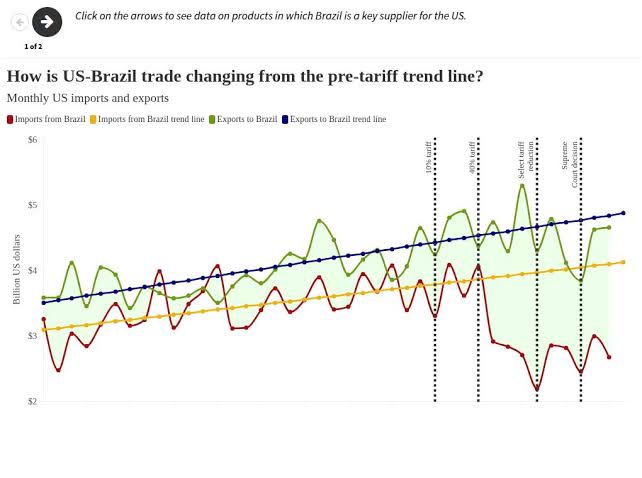
Brazil's latest chemical tariff has become a major point of discussion across the global chemical industry, but understanding its true scope requires looking beyond headline announcements. Current trade data shows that of 1,177 total chemical HS6 (Harmonized System) codes, 493 have been exempted while 684 remain subject to the new tariff.
This breakdown provides valuable insight into the practical reach of the policy. Rather than applying uniformly across the chemical industry, the tariff affects a substantial portion of traded chemical products while leaving hundreds of categories outside its scope. As negotiations continue between industry stakeholders and policymakers, monitoring changes to the HS code list will remain critical for manufacturers, exporters, distributors, and procurement professionals.
Why HS Code Coverage Matters
HS (Harmonized System) codes determine how products are classified for customs purposes and whether they are subject to duties, tariffs, or trade restrictions.
Understanding which chemical products remain covered helps companies:
Calculate total landed costs more accurately
Determine tariff eligibility for imported products
Evaluate sourcing alternatives
Plan procurement strategies
Ensure customs compliance
Monitor regulatory changes affecting product portfolios
Because chemical manufacturers often import or export hundreds of individual products, even small revisions to tariff coverage can significantly affect purchasing costs and supply chain planning.
Many widely traded industrial chemicals—including Caustic Soda, Methanol, Acetic Acid, Hydrochloric Acid (HCl), Sulfuric Acid, and Hydrogen Peroxide—are identified through HS classifications for customs and tariff purposes. Understanding the correct HS code for each product helps importers accurately calculate duties, ensure regulatory compliance, and optimize procurement decisions.
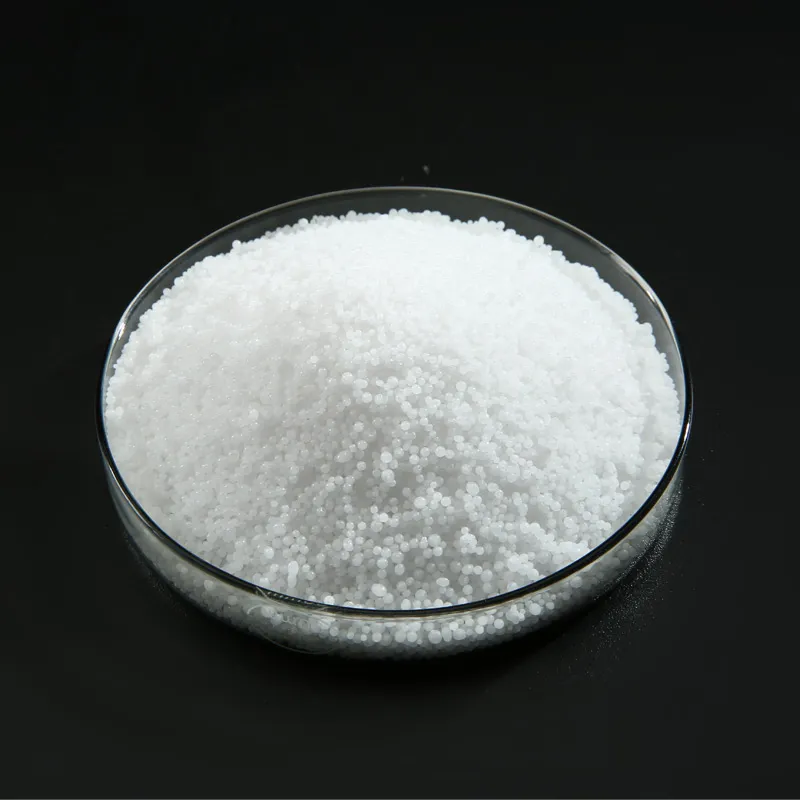
Caustic Soda Pearls - China
Market Implications
The current split between exempted and tariffed products demonstrates that Brazil's policy is targeted rather than universal.
Potential market impacts include:
Higher import costs for chemicals covered by the tariff
Greater competitiveness for exempted product categories
Increased supplier diversification
Changes in regional sourcing decisions
More detailed customs and trade compliance requirements
Ongoing uncertainty as negotiations continue
Companies with broad chemical portfolios will likely need to evaluate product-by-product exposure rather than applying a single procurement strategy across all imports.

Procurement Considerations
Procurement teams should integrate tariff classification into routine sourcing and purchasing decisions.
Recommended strategies include:
Review HS classifications for all imported chemical products
Identify which products remain subject to the tariff
Compare sourcing options for affected materials
Monitor government announcements and trade negotiations
Work closely with customs brokers and trade compliance teams
Build procurement flexibility into long-term supply agreements
Regular tariff reviews can help businesses minimize unexpected costs while maintaining reliable supply chains.
Looking Ahead
The current breakdown—684 tariffed HS6 codes and 493 exempted codes—offers an important benchmark for measuring future changes in Brazil's trade policy. As negotiations progress, the number of exempt products may expand or contract depending on policy decisions and industry feedback.
For chemical producers, distributors, and importers, maintaining visibility into HS code classifications will be just as important as monitoring commodity prices or freight rates. Businesses that combine regulatory intelligence with diversified sourcing strategies will be better positioned to navigate evolving international trade conditions.
Key Takeaways
Brazil's chemical tariff currently applies to 684 of 1,177 HS6 chemical codes, while 493 codes are exempt.
HS code classification directly affects tariff exposure and procurement costs.
Companies should evaluate tariff impacts on a product-by-product basis rather than assuming industry-wide coverage.
Procurement teams should regularly monitor trade negotiations and customs updates.
Strong trade compliance and diversified sourcing can reduce the impact of changing tariff policies.
Found this useful?