Modified Starch Demand Rising in Frozen and Convenience Foods
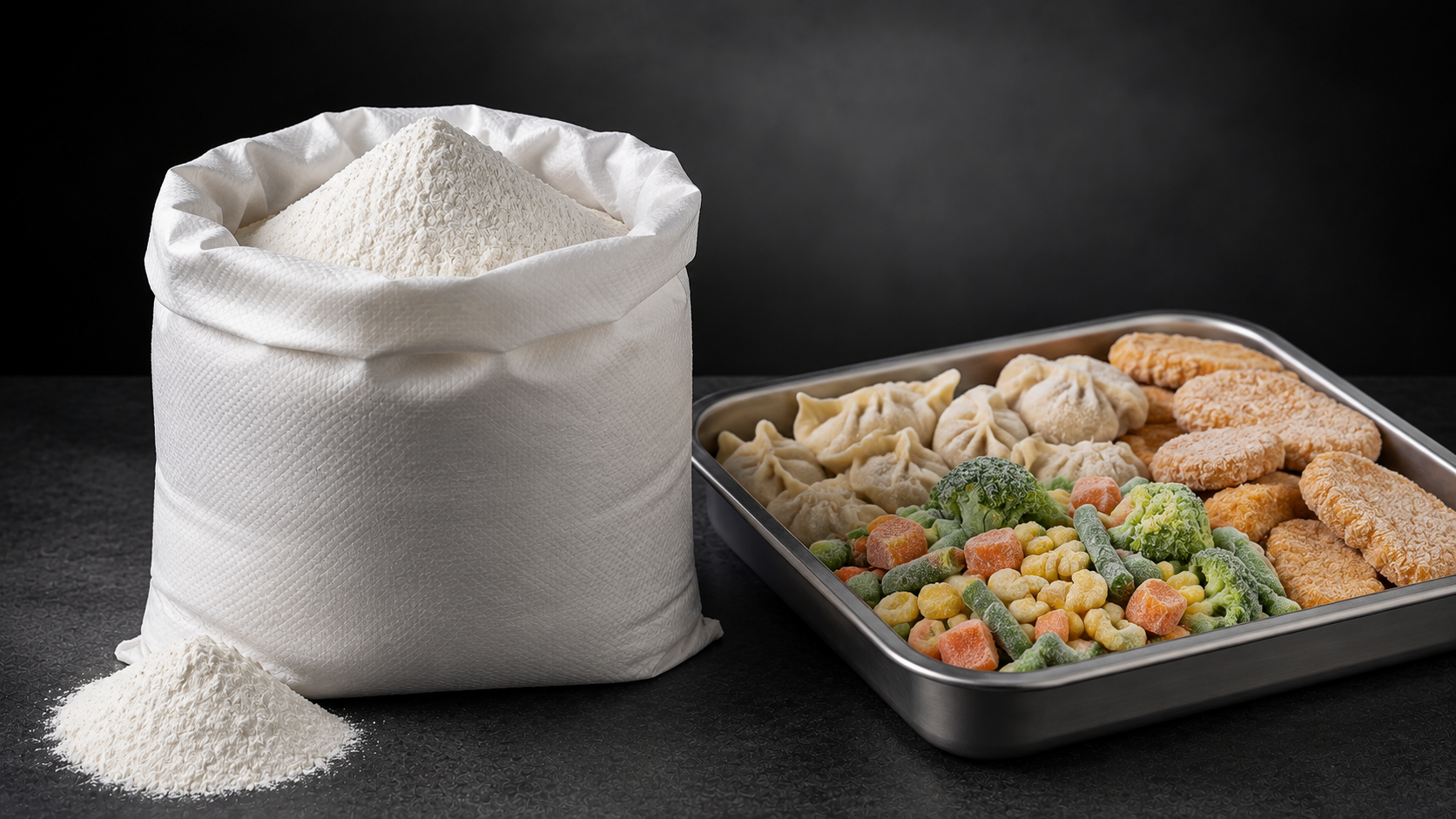
Modified starch demand is rising as frozen and convenience food manufacturers place greater emphasis on texture retention, freeze-thaw stability and consistent product quality. For procurement teams, this growth reflects a broader shift toward functional ingredients that can withstand demanding processing and storage conditions.
Frozen meals, sauces, ready-to-eat products and prepared foods often pass through freezing, thawing, reheating or extended storage. Conventional starches may lose viscosity or release water under these conditions, creating a need for starches engineered to deliver more consistent performance.
For importers, exporters and food ingredient traders, this creates a growing procurement category. Buyers increasingly need to match starch functionality with specific applications, processing conditions and cost targets rather than treating starch as a standard bulk ingredient.
Why Frozen Foods Are Driving Modified Starch Demand
Freezing can change the physical structure of food products and affect the behavior of starch-based systems. Water can migrate during storage, while repeated freeze-thaw cycles may cause separation, syneresis or undesirable texture changes.
Modified starches can improve resistance to these conditions. Depending on the modification and grade, they can help maintain viscosity, texture and stability after freezing and subsequent reheating.
This matters across a wide range of products, including:
Frozen ready meals and prepared dishes.
Frozen sauces, gravies and fillings.
Meat and plant-based meat alternatives.
Frozen desserts.
Convenience soups and processed foods.
Refrigerated products that require extended shelf life.
The commercial objective remains consistent: manufacturers want a finished product that performs as expected from production through consumption.
Convenience Foods Require Consistent Texture
Convenience food production places heavy demands on ingredient performance. Manufacturers need formulations that can move through high-speed processing systems while delivering predictable texture across large production volumes.
Modified starch can help provide viscosity, binding and structural stability. The exact functionality depends on the starch source, chemical modification and application.
Convenience food producers also need consistency after cooking or reheating. A sauce that performs well immediately after manufacturing but becomes watery after reheating can create quality complaints and higher production costs.
For procurement teams, this makes functional consistency an important supplier-selection criterion.
Freeze-Thaw Stability Is a Key Procurement Driver
One of the strongest reasons manufacturers choose modified starch is its ability to address instability associated with freezing and thawing.
Native starch can undergo changes during cooling and storage that affect texture and water distribution. Modified starches can be selected to improve resistance to these changes.
The required performance varies by application. A frozen sauce may need strong freeze-thaw stability, while a bakery filling may prioritize water retention and texture after thawing.
Buyers should therefore define the exact stability requirement before requesting quotations. A generic "food-grade modified starch" specification may not provide enough information for suppliers to recommend the appropriate grade.
Different Starch Sources Serve Different Applications
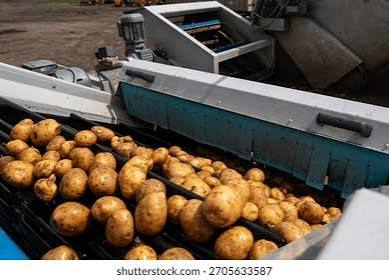
Modified starch can originate from several agricultural feedstocks. Corn, tapioca, potato and wheat starch can all provide different functional characteristics before modification.
The underlying starch source influences processing behavior, viscosity and texture. Modification then further adjusts performance for specific food applications.
For procurement teams, source selection should consider both technical and commercial factors:
Availability of the underlying agricultural feedstock.
Regional production capacity.
Price competitiveness.
Functional performance.
Regulatory requirements.
Allergen considerations.
Supply reliability.
Transportation costs.
Tapioca-based modified starch, for example, may be attractive for certain formulations where specific texture or labeling objectives apply, while corn-based materials can provide strong availability in established supply chains.
Modified Starch Can Improve Processing Efficiency
Food manufacturers do not evaluate starch only after the product reaches the freezer. Processing behavior can be equally important.
A suitable modified starch can improve viscosity control during mixing, heating and filling. This can help manufacturers maintain consistent production parameters across large batches.
Processing stability can also reduce waste. When formulations remain within their target operating range, manufacturers can minimize rework caused by inconsistent viscosity or separation.
For procurement managers, this creates an important distinction between purchase price and total production value. A slightly higher-priced ingredient can make commercial sense if it improves processing efficiency and reduces product losses.
Cost-in-Use Is More Important Than Price Per Kilogram
Modified starch quotations can vary significantly depending on source, grade and functional properties. However, the lowest price per kilogram does not necessarily produce the lowest formulation cost.
Procurement teams should calculate the dosage required to reach the desired performance. They should also consider whether the modified starch eliminates the need for additional stabilizers or processing adjustments.
A useful cost-in-use assessment should include:
Purchase price.
Required dosage.
Finished product yield.
Processing time.
Energy requirements.
Waste and rework.
Packaging and handling.
Freight and storage.
This provides a more accurate comparison between competing starch grades and suppliers.

Regional Sourcing Can Affect Landed Cost
The global modified starch market includes major agricultural and processing regions, but the best source depends on the buyer's destination.
A low factory price can lose its advantage when freight, port charges, duties and inland transportation become significant. Buyers should compare suppliers using a consistent landed-cost model.
Currency movements can also change the relative attractiveness of different origins. Procurement teams that review supplier offers periodically can identify when another sourcing region becomes commercially competitive.
For traders, this creates an opportunity to offer buyers several origin options instead of relying on one supply corridor.
Documentation and Food-Grade Compliance Matter
Modified starch buyers need more than a commercial quotation. The product must meet the technical and regulatory requirements of the intended application and destination market.
Supplier documentation can include product specifications, certificates of analysis, food-grade declarations and other compliance records required by the buyer.
Procurement teams should review these documents during initial qualification rather than after commercial terms have been agreed.
This is especially important for international shipments. Documentation problems can delay customs clearance or prevent material from entering production even when the physical product meets the formulation specification.
How Traders Can Support Modified Starch Procurement
The growing market for functional starches creates an opportunity for chemical and food ingredient traders to provide more specialized sourcing services.
Buyers often need help identifying the correct grade rather than simply locating a supplier that sells modified starch. Traders can add value by matching application requirements with available products.
Useful commercial information should include:
Starch source.
Modification type.
Functional properties.
Food application.
Origin.
Packaging.
Available volume.
Incoterm.
Lead time.
Providing this information upfront makes supplier comparison faster and reduces unnecessary qualification cycles.
What Procurement Teams Should Monitor in 2026
Procurement managers should track both downstream food demand and upstream starch economics. Agricultural feedstock prices can influence production costs, while changes in food manufacturing volumes affect demand for functional grades.
Key signals include:
Corn, tapioca, potato and wheat starch availability.
Agricultural commodity prices.
Energy and processing costs.
Frozen food production trends.
Convenience food demand.
Export availability from major producing regions.
Freight rates and container availability.
Currency movements.
No single indicator can predict modified starch prices. A combined view provides a better basis for purchasing decisions.
Preparing for the Next Stage of Modified Starch Demand
Manufacturers can strengthen their sourcing position by qualifying several functional grades before demand peaks. This gives R&D teams flexibility while allowing procurement to negotiate based on multiple commercial options.
Buyers should also distinguish between standard modified starch requirements and specialized grades. Specialized products may have fewer qualified suppliers, making advance planning more important.
Longer-term agreements can provide security for predictable volumes, while spot purchases can preserve flexibility when market prices soften. The right balance depends on consumption patterns and the availability of approved alternatives.
The Bottom Line for Modified Starch Buyers
Modified starch demand is rising because frozen and convenience food manufacturers need ingredients that maintain texture and stability through demanding production, storage and reheating conditions. Freeze-thaw performance, viscosity control and processing consistency are becoming central procurement requirements, not secondary formulation benefits.
For buyers, the strongest sourcing strategy combines application-specific specifications with cost-in-use analysis and supplier diversification. Procurement teams should evaluate starch source, modification, functional performance, landed cost and documentation before selecting a supplier.
For traders and importers, the expanding market creates opportunities to connect food manufacturers with specialized starch grades from competitive origins. Technical matching and reliable supply can provide greater value than price competition alone.

Corn Starch
Found this useful?