Why Biosimilars and Orphan Drugs Are Dodging 2026 US Pharma Tariffs for Now
Biosimilars and orphan drugs have emerged as unusual beneficiaries of the 2026 US pharmaceutical tariff framework. While imported patented pharmaceuticals and associated APIs face substantial tariff pressure, generic pharmaceuticals, biosimilars and certain specialty products including orphan drugs remain exempt for now.
That carve-out matters far beyond the finished medicine.
It affects API sourcing, manufacturing economics, supplier qualification and investment decisions across pharmaceutical supply chains. For procurement teams, the key question is no longer simply which products are exempt, but how durable that exemption will be.
A formal generics review mandated within a year creates a defined point at which the current treatment could be reconsidered.
Why Biosimilars Currently Have a Tariff Advantage
Biosimilars occupy an important position between traditional generic medicines and innovative biologic products.
They offer alternatives to reference biologic medicines while requiring sophisticated manufacturing capabilities and significant quality controls.
Under the 2026 tariff framework supplied for this analysis, biosimilars remain exempt from the Section 232 pharmaceutical tariffs.
That creates a meaningful cost advantage for manufacturers selling these products into the US market.
A biosimilar manufacturer can continue evaluating production based primarily on manufacturing economics, regulatory requirements and supply-chain considerations rather than absorbing the same tariff burden faced by covered patented pharmaceutical imports.
Orphan Drugs Have a Different Commercial Logic
Orphan drugs serve patients with rare diseases and often operate within specialized markets.
Their economics can differ substantially from high-volume medicines because patient populations remain smaller while development and manufacturing requirements can be complex.
The current exemption for certain orphan drugs recognizes this distinctive market structure.
For manufacturers, the treatment can preserve access to the US market without imposing the same immediate import-cost shock associated with covered pharmaceutical products.
For procurement teams, that can make international sourcing more commercially viable.
The Generics Exemption Is More Important Than It Looks
Generic medicines represent a major portion of global pharmaceutical manufacturing and trade.
India, China and other manufacturing hubs supply APIs, intermediates and finished generic medicines to customers worldwide.
Keeping generic pharmaceuticals outside the harshest tariff regime therefore has implications throughout the supply chain.
It can preserve established sourcing relationships and reduce the incentive for immediate relocation of production.
That matters because moving pharmaceutical manufacturing is not as simple as switching suppliers for a conventional chemical.
Facilities, processes, quality systems and regulatory approvals can all take years to establish.
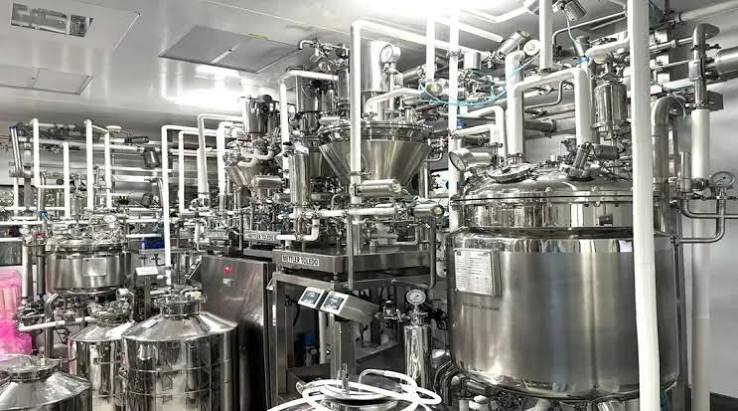
[IMAGE PLACEHOLDER 1]
Dimensions: 1200 x 800 px
AI Image Prompt: "Photorealistic modern biopharmaceutical manufacturing facility with stainless steel bioreactors, sterile processing equipment and pharmaceutical production workers in clean protective clothing, realistic GMP environment with cool industrial lighting, no charts, no data visualizations, no text, no labels, no logos."
Why the Exemption Could Be Temporary
The phrase "for now" is central to the current market outlook.
The 2026 framework includes a formal generics review within a year.
That means companies cannot assume that today's tariff treatment will remain unchanged throughout the decade.
A review creates the possibility of revised treatment based on domestic manufacturing goals, supply-chain considerations or other policy priorities.
For procurement teams, the appropriate response is not necessarily to abandon exempt supply chains.
It is to avoid building long-term assumptions around a policy benefit that remains subject to review.
The Review Creates a Strategic Planning Window
The review gives manufacturers time to assess their exposure before making major investment decisions.
Companies can use the period to evaluate:
Current US sales by product category.
Generic and biosimilar production locations.
API and intermediate origins.
Alternative manufacturing sites.
Domestic production opportunities.
Supplier concentration.
Contract manufacturing options.
Potential tariff-adjusted landed costs.
This preparation can help companies respond quickly if the exemption changes.
Biosimilar Manufacturers Have Strong Reasons to Protect the Carve-Out
Biosimilar manufacturing often involves complex biological production and specialized facilities.
Moving production to the United States can require substantial investment.
If tariffs eventually apply to biosimilar imports, manufacturers may face a difficult choice between absorbing higher landed costs and investing in domestic capacity.
The current exemption therefore provides valuable planning flexibility.
Companies can continue using established global manufacturing networks while assessing whether US production makes strategic sense.
Domestic Manufacturing Could Still Advance
An exemption does not eliminate the broader US reshoring trend.
Pharmaceutical companies may continue investing in domestic capacity for reasons beyond tariffs.
Supply security, regulatory strategy, customer expectations and geopolitical risk can all support localization.
The current carve-out may therefore slow some reshoring decisions without stopping the overall movement.
For chemical suppliers, that means domestic demand for pharmaceutical inputs can continue growing even when specific imported medicines remain tariff exempt.
API Procurement Requires a Separate Assessment
The finished product's exemption does not automatically eliminate every supply-chain consideration.
An API supplier may serve both generic and patented medicines.
The same manufacturing site could therefore have customers with very different tariff exposure.
Procurement teams should classify API demand according to its downstream application.
That means asking where the API is manufactured, where the finished medicine is produced and which product category the API ultimately supports.
This level of visibility becomes increasingly important as tariff policy becomes more product-specific.
India Could Retain a Strong Generic Supply Position
India's established generic manufacturing industry is particularly relevant to the current exemption.
Indian pharmaceutical companies have built extensive capabilities in APIs, intermediates and finished generic medicines.
If generic products remain exempt, US buyers can continue considering Indian suppliers on the basis of cost, quality, reliability and regulatory performance rather than applying a blanket tariff premium.
That could reinforce India's position in US generic pharmaceutical sourcing.
The picture becomes more complicated when an Indian API supplier serves a patented drug supply chain, where the tariff exposure can be substantially different.
Procurement Teams Should Avoid Country-Level Assumptions
The tariff framework creates a strong reason to move away from broad country-based sourcing assumptions.
"Indian supplier" or "European supplier" does not provide enough information by itself.
The product category, end use and manufacturing structure can determine the commercial outcome.
Procurement managers should therefore build product-level tariff maps.
This approach helps identify which suppliers actually provide an advantage and which may become exposed if the regulatory treatment changes.
Generic Manufacturers Can Use the Window to Strengthen Supply
The current exemption creates an opportunity to improve supply-chain resilience before policy conditions change.
Generic manufacturers can use this period to qualify additional suppliers, establish inventory strategies and evaluate alternative production locations.
Useful priorities include:
Second-source APIs: Reduce reliance on a single producer for critical active ingredients.
Dual-origin intermediates: Develop alternative geographic sources for important inputs.
Domestic contingency capacity: Identify US contract manufacturing options.
Inventory planning: Establish appropriate buffers for high-risk materials.
Supplier audits: Strengthen visibility into upstream production.
These measures provide resilience regardless of whether the exemption survives the review.
Procurement Teams Should Avoid Country-Level Assumptions
The tariff framework creates a strong reason to move away from broad country-based sourcing assumptions.
"Indian supplier" or "European supplier" does not provide enough information by itself.
The product category, end use and manufacturing structure can determine the commercial outcome.
Procurement managers should therefore build product-level tariff maps.
This approach helps identify which suppliers actually provide an advantage and which may become exposed if the regulatory treatment changes.
Generic Manufacturers Can Use the Window to Strengthen Supply
The current exemption creates an opportunity to improve supply-chain resilience before policy conditions change.
Generic manufacturers can use this period to qualify additional suppliers, establish inventory strategies and evaluate alternative production locations.
Useful priorities include:
Second-source APIs: Reduce reliance on a single producer for critical active ingredients.
Dual-origin intermediates: Develop alternative geographic sources for important inputs.
Domestic contingency capacity: Identify US contract manufacturing options.
Inventory planning: Establish appropriate buffers for high-risk materials.
Supplier audits: Strengthen visibility into upstream production.
These measures provide resilience regardless of whether the exemption survives the review.
Biosimilar Supply Chains Need Similar Protection
Biosimilar production can involve specialized raw materials and complex manufacturing processes.
A disruption at one critical supplier may be harder to overcome than a disruption involving a widely available commodity chemical.
Procurement teams should therefore identify materials where qualification of an alternative source could take months or years.
Those materials deserve strategic attention even while the final product enjoys tariff protection.
The exemption should be viewed as additional planning time rather than a reason to ignore supply-chain risk.
Orphan Drug Manufacturers Face a Different Scale Challenge
Orphan drug markets can involve lower production volumes.
That can make dedicated domestic manufacturing economically difficult.
An imported product may remain significantly more efficient if manufacturers can avoid the cost of building a specialized US production line.
The current exemption therefore has particular value for smaller-volume specialty products.
If tariff treatment changes later, companies may need to consider shared manufacturing facilities, contract manufacturing or other flexible production models rather than dedicated plants.
The Cost of Losing the Exemption Could Be Significant
If exempt products eventually enter the tariff regime, the commercial impact would extend beyond the tariff payment itself.
Companies would need to consider:
Higher landed costs.
Potential price increases.
Supplier renegotiations.
Changes in production geography.
New manufacturing investment.
Additional regulatory work.
Longer qualification timelines.
For products with narrow margins, even modest increases can alter sourcing decisions.
For specialized orphan medicines, the effect could be even more complicated because manufacturers may have fewer opportunities to achieve economies of scale.
The Review Could Create Winners and Losers
A change in tariff treatment would not affect every manufacturer equally.
Companies with US production capacity would have an advantage.
Manufacturers with multiple international sites could redirect production more easily.
Suppliers dependent on a single offshore facility could face greater pressure.
This creates a strategic reason for pharmaceutical companies to evaluate manufacturing flexibility now.
A company with multiple qualified production options has more room to respond than one locked into a single origin.
Contract Manufacturers Could Become More Important
Contract development and manufacturing organizations can provide an intermediate solution between importing products and building a new plant.
A generic, biosimilar or orphan drug manufacturer facing potential tariff exposure could use US contract capacity rather than immediately investing in a new facility.
This model can reduce capital requirements.
It can also accelerate access to domestic manufacturing if appropriate capacity already exists.
For procurement teams, identifying qualified contract manufacturers should therefore form part of contingency planning.
Tariff Risk Should Enter Supplier Qualification
Pharmaceutical companies traditionally evaluate suppliers according to quality, cost, capacity and regulatory compliance.
Tariff exposure should now become another supplier-screening criterion.
A supplier located in a low-cost manufacturing region may not remain the lowest-cost option if tariff treatment changes.
Conversely, a more expensive domestic supplier could become commercially attractive when tariff-adjusted landed costs are considered.
This requires procurement teams to compare total delivered economics, not simply quoted prices.
Chemical Suppliers Could Feel the Effects Upstream
Changes in pharmaceutical manufacturing can propagate into the chemical supply chain.
If generic and biosimilar production remains strong, demand can remain resilient for APIs, intermediates, solvents and other pharmaceutical-grade inputs.
If tariff treatment changes and manufacturers reduce production or relocate facilities, upstream purchasing patterns could change.
Chemical traders should therefore monitor pharmaceutical policy alongside conventional supply and demand indicators.
A regulatory decision affecting finished medicines can eventually influence chemical orders months later.
What Procurement Teams Should Monitor Before the Review
The coming review creates a defined monitoring period.
Procurement teams should track:
Policy developments: Watch for changes to the treatment of generic and specialty products.
Manufacturing investment: Identify which suppliers are adding US capacity.
API sourcing: Monitor whether manufacturers are moving critical ingredients closer to US production.
Contract manufacturing: Evaluate available domestic capacity.
Supplier pricing: Separate ordinary market movements from tariff-related adjustments.
Product exposure: Maintain a current list of medicines that depend on exempt treatment.
Contingency options: Pre-qualify alternatives before a policy change forces rapid action.
Early preparation can be considerably cheaper than emergency supply-chain restructuring.
Should Companies Reshore Before the Exemption Changes?
Not necessarily.
Reshoring requires capital, regulatory planning and sufficient production volume.
For a high-volume product with substantial US demand, domestic manufacturing may make sense even while the product remains exempt.
For a low-volume orphan medicine, importing may remain the economically rational option.
Companies should therefore compare the cost of localization with the probability and potential impact of future tariff exposure.
A flexible strategy can outperform an immediate, broad reshoring program.
The Most Durable Strategy Is Supply Flexibility
Policy exemptions can change.
Manufacturing assets cannot be moved quickly.
That makes flexibility particularly valuable during the current transition.
Companies that maintain qualified suppliers in multiple regions can respond more effectively if tariff treatment changes.
Similarly, manufacturers with adaptable production platforms can shift selected products between facilities as economics change.
The goal is not to predict exactly what policymakers will do.
The goal is to ensure that the supply chain can respond to several plausible outcomes.
What the Next 12 Months Could Reveal
The mandated generics review provides an important checkpoint for the pharmaceutical industry.
The outcome could reinforce the current exemption, modify its scope or create new requirements.
Each possibility would produce different investment incentives.
If the carve-out remains broad, generic and biosimilar manufacturers can continue optimizing global production networks.
If it narrows, domestic manufacturing and alternative sourcing strategies could accelerate quickly.
For chemical suppliers, the resulting demand shifts could appear first in procurement forecasts before they become visible in finished-drug production statistics.
The Bottom Line for Pharmaceutical Procurement Teams
Biosimilars, generic pharmaceuticals and certain orphan drugs currently occupy a relatively protected position within the 2026 US pharmaceutical tariff framework. That gives manufacturers and procurement teams valuable time to strengthen supply chains, evaluate domestic capacity and build contingency plans.
But the exemption should not become the foundation for an inflexible long-term strategy. The mandated generics review within a year creates a clear policy checkpoint, and manufacturers need to understand how a change could affect APIs, intermediates, production locations and landed costs.
For procurement professionals, the smartest approach is to treat the current carve-out as a strategic window. Use it to qualify alternative suppliers, map upstream dependencies and evaluate domestic options before a policy change creates urgency.
For chemical traders, the evolving tariff landscape reinforces the importance of tracking pharmaceutical end-use demand. Generic and biosimilar manufacturing may continue supporting demand for pharmaceutical chemicals, while future policy decisions could quickly alter sourcing patterns across the sector.
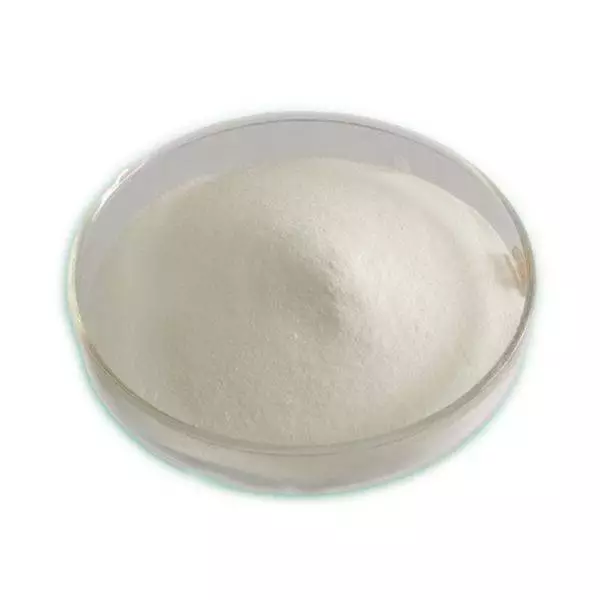
D-Calcium Pantothenate (Vitamin B5)
Found this useful?