Intra-Asia Chemical Trade Intensifies as Regional Self-Sufficiency Strategies Advance
Intra-Asia Chemical Trade Intensifies as Regional Self-Sufficiency Strategies Advance
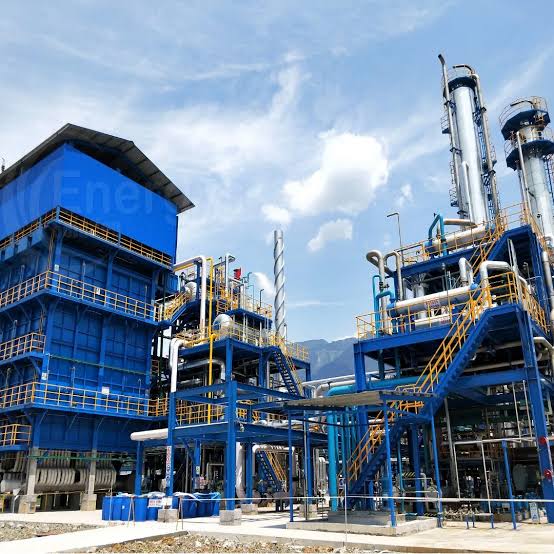
Chemical trade within Asia is intensifying as producers and buyers across the region prioritize nearer-source supply. New capacity additions in China, India, Southeast Asia and Northeast Asia, combined with policy and corporate strategies aimed at greater self-sufficiency, are lifting intra-Asian volumes of polymers, intermediates and specialty chemicals. The trend is reshaping traditional long-haul import patterns and altering the relative importance of regional versus intercontinental trade lanes.
Several forces are at work simultaneously. Large-scale investments in olefins, aromatics, polymers and downstream specialties have reduced structural deficits in a number of product chains. Buyers facing freight volatility, longer transit times on diverted Asia–Europe routes, and geopolitical uncertainty around distant origins have increased the weight of regional suppliers in their procurement portfolios. Governments and industry associations in several Asian economies have also encouraged domestic or regional value-chain development as a resilience measure.
Capacity Growth Meets Demand for Shorter Supply Lines
China continues to absorb a large share of its own new production, yet it also participates actively in regional export and import flows depending on the product and the margin environment. India’s expanding specialty and intermediate capacity is finding outlets both domestically and in neighboring markets. Southeast Asian producers of polymers and selected chemicals are integrating more tightly with both Northeast Asian and South Asian customers. The cumulative effect is a denser web of intra-Asian shipments that often displace or complement cargoes that previously moved from the Middle East, North America or Europe.
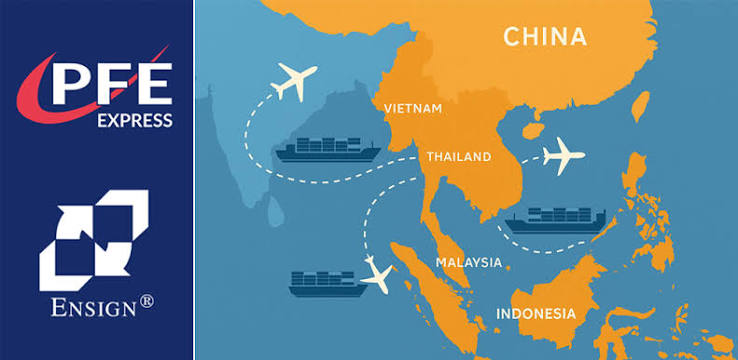
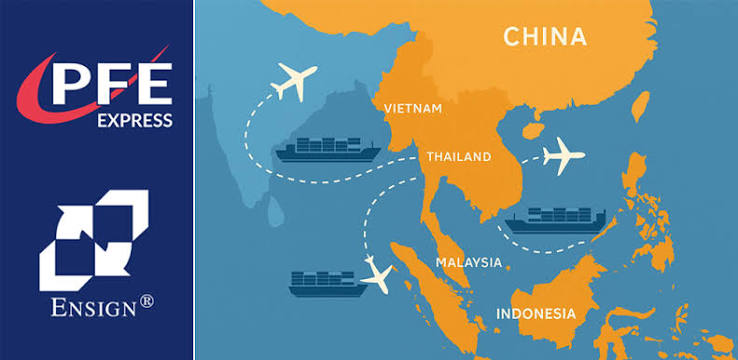
Logistics patterns reflect the shift. Shorter-sea and regional container and tanker services gain utilization, while the premium associated with long-haul Cape routing makes regional alternatives more attractive on a total-cost basis. Inventory strategies can be leaner when supply is closer and more responsive, provided regional producers meet quality and reliability expectations. Qualification of additional Asian sources has therefore become a routine part of procurement programs for many downstream manufacturers.
Implications for Global Trade Balances
For producers outside Asia, the intensification of intra-Asian trade implies tougher competition in what were once more open import markets. Export opportunities into Asia remain, particularly for cost-advantaged or specialized grades, but the baseline share captured by regional suppliers is rising. Global trade models that assumed structural Asian deficits in a wide range of chemicals require updating product by product.
Within Asia, the benefits include reduced exposure to distant logistics shocks and, in many cases, faster technical service and shorter lead times. Challenges remain around overcapacity in certain chains, uneven quality consistency, and the need for continued investment in higher-value specialties rather than pure volume products. Buyers that balance regional self-sufficiency goals with selective long-haul diversification retain the most flexible risk profile.
Intra-Asian chemical trade is no longer a residual flow; it is a primary and growing channel. As regional capacity and self-sufficiency strategies advance, polymers, intermediates and specialties will continue to move more intensively within Asia, gradually recalibrating the balance between regional and intercontinental chemical commerce.
Ascorbic Acid
Found this useful?