Intra‑EU Chemical Logistics and the French Growth Exception
EU Chemical Production: A Declining Trend
The latest Cefic Chemical Trends Report shows a steady decline in European chemical output since 2018, driven by tightening environmental regulations and shifting global demand. Production in Germany, Italy Renton and Spain has slipped, creating a tighter supply‑chain network and reducing the volume of intra‑EU chemical transport.
France’s Distinctive Upswing
Contrary to the continental trend, France’s chemical sector has recorded a 3.5% annual growth over the past two years. This surge is largely powered by the expansion of high‑value specialty chemicals and the adoption of green chemistry practices. French manufacturers are investing heavily in production capacity, positioning France as the EU’s leading chemical producer.
Key Drivers of French Growth
Government Incentives: Tax credits for green production and streamlined permitting processes.
Strategic Partnerships: Alliances with multinational pharma and automotive firms.
Innovation Hubs: Research clusters in Lyon, Grenoble and Toulouse boosting R&D output.
Impact on Intra‑EU Logistics
France’s increased output has a cascading effect on transport demand. The country’s logistics network now handles a disproportionate share of the EU’s chemical freight, influencing both road tanker and rail freight volumes.
Road Tanker Logistics
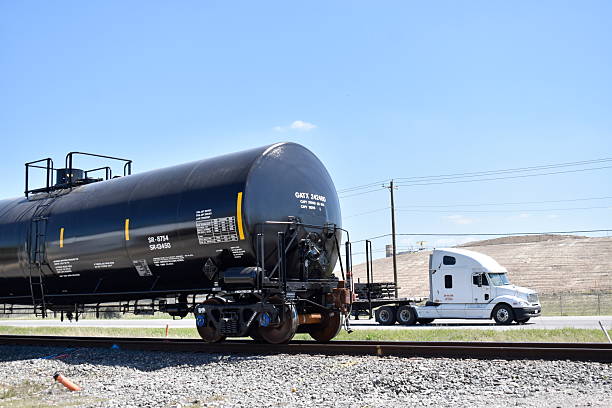
Road tanker fleets are experiencing higher utilization rates. French plants often require rapid, flexible delivery to regional distributors, favoring tanker routes over rail for their speed and last‑mile convenience. The trend is evident in the growing number of 18‑tonne tanker contracts and the expansion of dedicated chemical tanker operators.
Rail Freight Dynamics
Although rail remains the backbone for bulk chemical transport, France’s strategic rail corridors are under strain. The increased freight volume has led to tighter scheduling and the need for additional rolling stock. France’s rail operators are responding by deploying more dedicated chemical wagons and improving loading turnaround times.
Supply‑Chain and Procurement Planning
Procurement managers across Europe must adjust their strategies to accommodate France’s outlier performance. The key considerations include:
Demand Forecasting: Incorporate France’s growth projections into regional consumption models.
Capacity Allocation: Prioritize tanker slots for French shipments to avoid bottlenecks.
Risk Management: Diversify supplier base to mitigate the impact of any French production disruptions.
Strategic Partnerships
Cross‑border collaborations between French manufacturers and neighboring EU countries are on the rise. These partnerships facilitate shared infrastructure, such as joint rail terminals and pooled tanker fleets, enhancing overall network resilience.
France’s chemical growth exception is reshaping the intra‑EU logistics landscape. Road tanker and rail freight operators must adapt to higher చెప్పారు volumes and tighter schedules, while procurement professionals need to integrate these dynamics into their planning frameworks_handle. The result is a more complex, yet potentially more efficient, European chemical supply chain that balances local growth with continental stability.
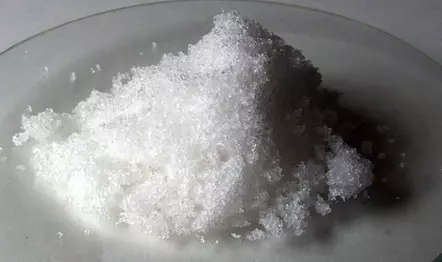
Aluminium Nitrate
Found this useful?