Intrepid Water Rights Sale Highlights Agricultural Regulatory Complexity
Agricultural asset management in water-stressed regions faces strict legal oversight as corporate entities restructure land and resource portfolios. Intrepid completed the transfer of valuable water rights as part of its South Ranch sale to Hydrosource Logistics. This high-profile transaction highlights the intense regulatory complexity surrounding agricultural water ownership and transfer protocols in arid jurisdictions like New Mexico.
Water rights in the American Southwest operate under rigid legal doctrines that require extensive administrative review before any ownership change occurs. State regulatory boards examine every proposed transfer to ensure regional conservation goals and historical usage rights remain protected. Agricultural operators and corporate buyers must navigate multi-year approval processes that demand exhaustive hydrological studies and public hearings.
Industrial and agricultural stakeholders increasingly view water assets as strategic commodities requiring specialized management expertise. As water scarcity intensifies, regulatory scrutiny over commercial transfers grows stricter to prevent resource depletion in vulnerable basins. Companies holding significant agricultural land portfolios must carefully evaluate local water governance structures before attempting asset divestitures.
State regulatory agencies enforce rigorous public interest reviews for all commercial water right transfers.
Arid agricultural regions experience heightened legal friction between traditional users and industrial buyers.
Hydrological assessments dictate the approved volume and permissible use categories for transferred water assets.
Supply chain continuity across agriculture-dependent industries relies heavily on stable resource access and predictable regulatory environments. When water rights shift between corporate owners, local farming operations and downstream commercial users must adapt to new management terms. Sourcing professionals monitoring regional agricultural inputs must account for how water availability impacts crop yields and processing costs.
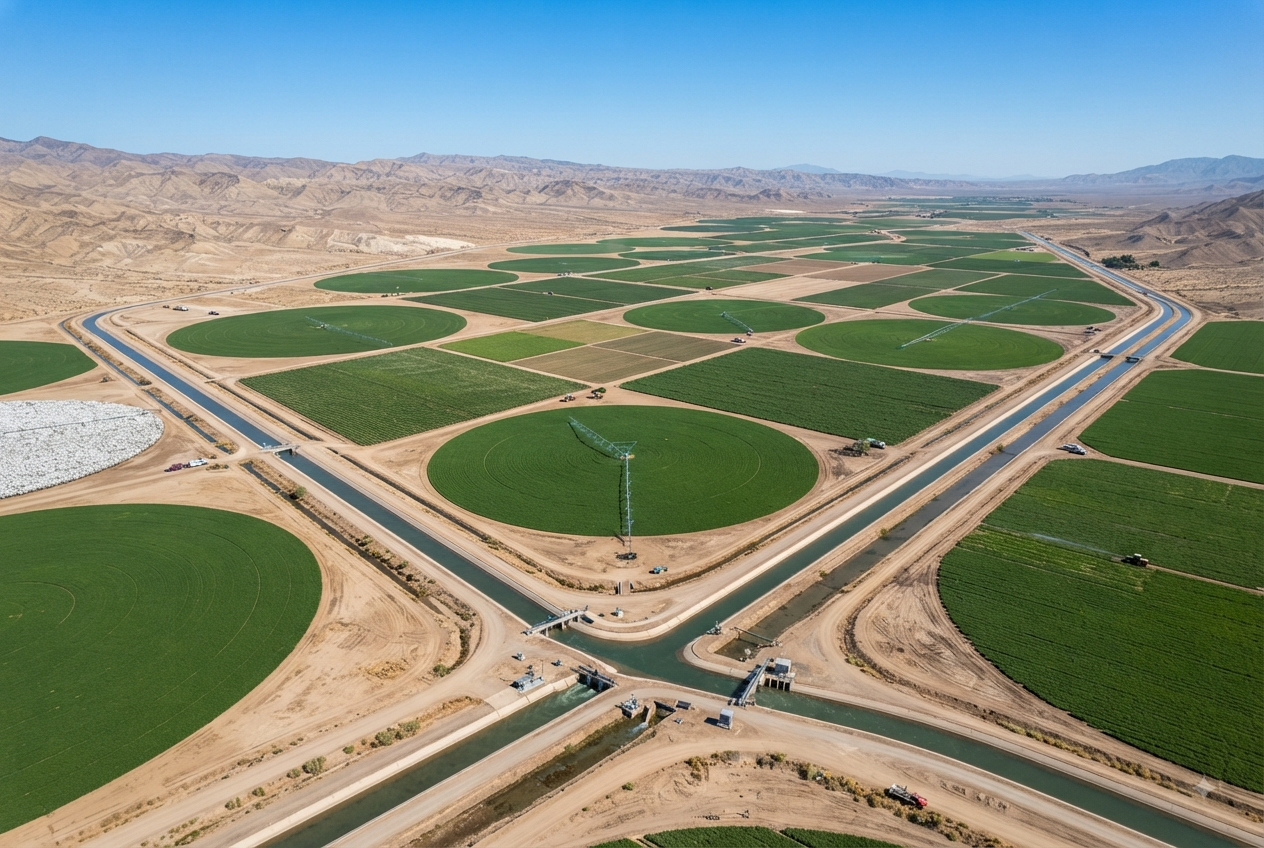
The shifting ownership landscape of rural water rights signals a permanent evolution in how agricultural resources are valued and traded. Industrial purchasers and logistics firms entering the agricultural water sector must establish dedicated legal teams to handle compliance. Failing to meet state-mandated environmental and administrative requirements can halt multi-million-dollar transactions indefinitely.
Corporate investors partner with local water resource experts to streamline complex administrative filings.
Agricultural enterprises monetize legacy water holdings to optimize balance sheets amid tightening margins.
Regulatory frameworks adapt to balance industrial water demands with long-term aquifer sustainability.
The ongoing restructuring of rural water assets demonstrates that natural resource transactions require unprecedented levels of legal and technical preparation. Industry participants must remain vigilant regarding shifting state policies that govern resource extraction and transfer. Understanding these regulatory dynamics protects commercial investments from unexpected operational delays.
What Procurement Teams Need to Know
Procurement professionals managing agricultural supply chains must evaluate how regional water rights transfers impact raw material availability and pricing stability. Sourcing managers should monitor regulatory developments in water-stressed states to anticipate potential disruptions in agricultural production inputs. Ready to source agricultural and industrial chemicals from verified global suppliers? Explore competitive offers on our platform today.

Potassium Chloride
Found this useful?