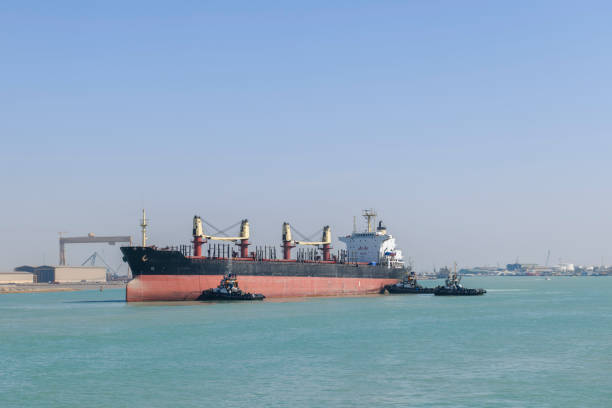
Iranian-Flagged Vessels Still Moving: What Their Transits Signal
In Shirts of the last two years, SENSOR technology has shown that Iranian-flagged vessels are still charting the waters that feed the world’s energy and chemical markets. While many analysts view सकता this as a mere footnote amid geopolitical drama, the continued movement of these ships carries significant implications for maritime logistics, risk assessment, and regional trade flows.
Why the Movement Matters
The Persian Gulf remains a critical artery for the sculpting of global oil and petrochemical supply. The fact that Iranian vessels are still transiting the Gulf of Oman and the Strait of Hormuz suggests that:
Regional shipping networks retain functional resilience despite sanctions.
Maritime risk models must account for the persistent presence of vessels that canگر be high‑risk assets.
Supply chain intelligence now must integrate real‑time vessel tracking to predict commodity flows.
Maritime Logistics Under Pressure
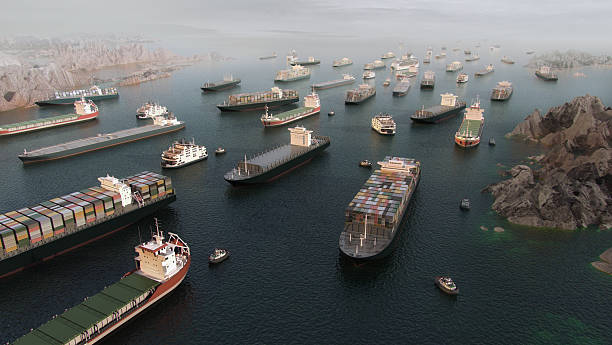
Maritime logistics is a high‑stakes domain where delays cost millions. Iranian-flagged tankers often carry chemicals, fertilizers, and specialty liquids that feed downstream industries. Their continued transits signal that the supply chain for these commodities remains largely intact, even when diplomatic tensions flare.
The Chemical Shipping Puzzle
Iran’s chemical industry is heavily export‑oriented, and its vessels frequently shuttle hazardous liquids across the Gulf. Shipping these chemicals through the Strait of Hormuz presents both logistical and safety challenges:
Routing complexity: ships must navigate congested channels while avoiding geopolitical hotspots.
Regulatory compliance: international safety standards (e.g., IMO’s MSC 206) demand rigorous documentation, which Iranian operators often meet.
Insurance premiums: the risk of piracy or state‑driven interdiction pushes premiums up, but operators still find the route economically viable.
Regional Trade Dynamics
Beyond chemicals, Iranian-flagged vessels also haul oil, crude, and refined products. Their presence in the Hormuz corridor indicates:
Continued demand for Iranian crude, which remains a low‑cost feedstock for neighboring petrochemical plants.
Shifts in trade patterns, with alternative routes (e.g., around Cape of Good Hope) not yet fully adopted due to cost and time constraints.
Potential for new trade corridors, such as the Gulf–Red Sea–Indian Ocean loop, that could emerge if sanctions or security concerns intensify.
Supply Chain Intelligence for Stakeholders
For logistics firms, insurers, and port authorities, the key takeaways are:
Ship Tracking: real‑time AIS data reveals the frequency and timing of Iranian transits, enabling better scheduling.
Risk Assessment: modeling tools must incorporate the probability of interdiction or delay, particularly for high‑value cargoes.
Regulatory Compliance: ensuring that all documentation meets international standards mitigates liability.

Cetyl Alcohol
Found this useful?