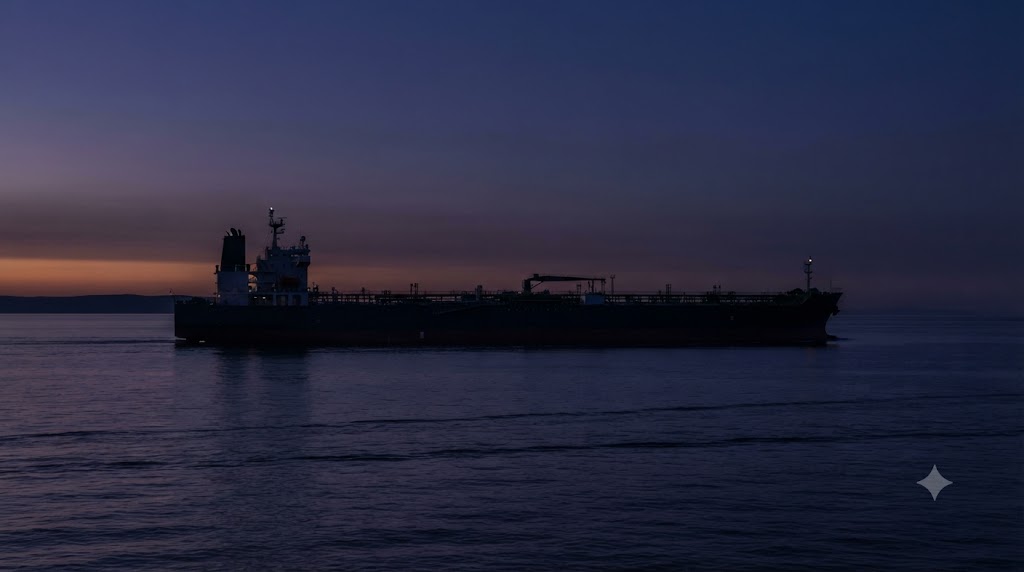
Iran's Revolutionary Guard Targets Dark Fleet Tankers: Cargo Tracking Risks Rise
Iran's Revolutionary Guard forces have escalated maritime tensions by attacking two supertankers transiting the Strait of Hormuz with their transponders turned off. These so-called dark fleet vessels operate outside normal tracking protocols, creating severe complications for cargo risk assessment and insurance coverage.
Chemical traders and procurement managers now face a more opaque and dangerous shipping environment. When vessels disable their Automatic Identification System (AIS) transponders, they become nearly invisible to standard maritime tracking networks. This lack of visibility makes it impossible to verify cargo ownership, routing and insurance status in real time.
The Revolutionary Guard justified these attacks by claiming the tankers were engaged in illicit oil smuggling. However, the incident raises critical questions about how chemical buyers can protect their interests when legitimate cargo moves through contested waters. Supply chain transparency has become a casualty of this escalating conflict.
Understanding the Dark Fleet Phenomenon
The term dark fleet refers to vessels that deliberately disable or manipulate their AIS transponders to avoid detection. These ships typically transport sanctioned oil or engage in activities their operators wish to conceal from authorities.
Maritime analysts estimate that hundreds of tankers worldwide regularly operate with transponders switched off or broadcasting false information. This shadow fleet has grown substantially since sanctions on Iranian and Venezuelan oil exports intensified.
Chemical buyers rarely interact directly with dark fleet vessels. However, these ships create collateral risks for legitimate commerce. When Revolutionary Guard forces cannot distinguish between sanctioned and compliant cargo, they may target any vessel operating without proper transponder signals.
Legitimate chemical shipments sometimes get caught in this crossfire. A carrier might temporarily disable AIS to navigate congested waters or avoid piracy threats. This brief lapse in tracking can trigger misidentification and potential attack.
Cargo Tracking Challenges for Chemical Traders
Modern supply chain management depends on real-time visibility. Procurement teams track vessel positions, estimate arrival times and coordinate downstream logistics using AIS data. When transponders go dark, this entire system breaks down.
Key tracking challenges include:
Loss of position data - Without AIS signals, traders cannot confirm whether their cargo is moving safely through the Strait of Hormuz or has been detained, diverted or damaged.
Inability to verify cargo identity - Dark vessels may carry mixed or undocumented loads. Chemical buyers risk receiving contaminated or mislabeled products if their shipment gets swapped or commingled with illicit cargo.
Insurance coverage gaps - Most marine insurance policies require vessels to maintain functional AIS transponders. Cargo on dark fleet ships may be completely uninsured, leaving buyers exposed to total loss.
Regulatory compliance risks - Importing chemicals from vessels that violated tracking protocols can trigger customs investigations and penalties. Buyers must prove due diligence in supplier selection.
The Revolutionary Guard's targeting of dark fleet vessels creates a perverse incentive problem. Legitimate carriers operating in the Gulf now face pressure to keep transponders active, making them easier targets for attack. Meanwhile, illicit operators continue running dark, accepting the risk as a cost of doing business.
Insurance and Liability Complications
Marine insurance underwriters are scrambling to assess liability in the wake of these attacks. Traditional war risk policies cover hostile actions against commercial vessels. However, coverage becomes murky when vessels operate with transponders disabled.
Most insurance contracts include warranties requiring compliance with maritime safety regulations. Deliberately disabling AIS likely violates these warranties. Insurers may deny claims for cargo lost on dark fleet vessels, arguing the shipowner breached the policy terms.
Chemical buyers who unknowingly contracted with dark fleet operators face devastating financial exposure. A total loss of cargo with no insurance recovery can devastate quarterly margins.
Underwriters are now implementing stricter vetting procedures for Gulf transits. Some require proof of continuous AIS transmission throughout the voyage. Others are excluding coverage entirely for vessels that enter designated high-risk zones without proper tracking.
Procurement teams must verify their suppliers' shipping practices before contracting. Ask for vessel names and IMO numbers. Check AIS tracking history to confirm the carrier maintains proper transponder operation.
Impact on Legitimate Gulf Chemical Exports
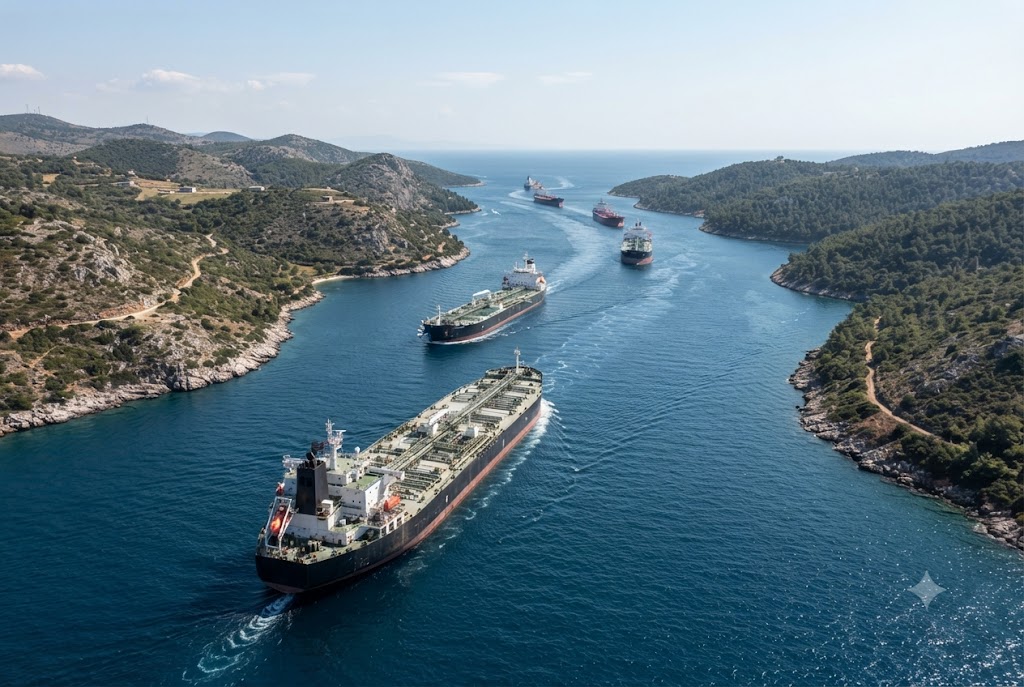
The targeting of dark fleet vessels creates a chilling effect on legitimate chemical trade through the Strait of Hormuz. Carriers transporting polyethylene, methanol and other Gulf petrochemical exports now operate under heightened threat.
Shipping companies are implementing additional security measures that increase costs and transit times. Some require naval escort through the strait. Others are routing vessels farther from Iranian territorial waters, adding distance and fuel consumption.
These operational changes directly impact chemical pricing. Freight surcharges for Gulf exports have risen 25 to 40 percent in recent weeks. Delivery schedules have become less reliable as carriers adopt more cautious routing.
Asian buyers who depend on Gulf chemical imports face particularly acute challenges. Alternative sourcing from North America or Europe requires longer lead times and higher base prices. The total landed cost differential continues to narrow.
European crackers competing for Asian market share see an opportunity in Gulf disruption. However, their naphtha-based production costs remain elevated, limiting their ability to undercut Gulf suppliers significantly.
Due Diligence Strategies for Procurement Teams
Chemical buyers must implement rigorous supplier vetting procedures to avoid dark fleet exposure. Relying on broker assurances alone is insufficient in the current environment.
Essential due diligence steps include:
Verify vessel identity and history - Request the specific vessel name and IMO number for your shipment. Use maritime databases to check the ship's ownership, flag state and AIS transmission history. Vessels with frequent transponder gaps warrant extra scrutiny.
Confirm insurance coverage - Require certificates of insurance naming your company as loss payee. Verify the policy covers war risk and includes no exclusions for AIS operation. Contact the underwriter directly to confirm coverage validity.
Audit supplier shipping practices - Ask potential suppliers about their carrier selection criteria. Do they prohibit dark fleet vessels? How do they verify transponder compliance? Suppliers without clear policies present unacceptable risk.
Implement contract protections - Include warranties requiring AIS compliance throughout the voyage. Specify that cargo must travel on vessels with continuous transponder operation. Make breach of these terms grounds for contract termination and damages.
Monitor shipments actively - Don't rely solely on suppliers for status updates. Use vessel tracking services to monitor your cargo's position in real time. Set up alerts for any AIS transmission gaps or route deviations.
Technology Solutions for Cargo Visibility
Several technology platforms now offer enhanced cargo tracking capabilities beyond standard AIS data. Satellite monitoring, blockchain documentation and IoT sensors provide additional layers of visibility.
Satellite-based synthetic aperture radar can detect vessels even when AIS is disabled. This technology helps identify dark fleet activity and verify whether your cargo remains on course.
Blockchain-based bill of lading systems create immutable records of cargo custody transfers. These digital documents reduce fraud risk and provide clear audit trails for regulatory compliance.
IoT sensors installed on chemical containers transmit location, temperature and tamper data independently of vessel systems. This redundant tracking ensures visibility even if the carrier's transponder fails.
Procurement teams should evaluate these technologies based on their risk tolerance and shipment values. High-value or hazardous chemical shipments justify the additional monitoring costs.
What Buyers Should Do Now
The Revolutionary Guard's attacks on dark fleet tankers signal a more dangerous and unpredictable maritime environment in the Gulf. Chemical traders cannot afford to treat cargo tracking as an afterthought.
Transparency is your primary defense against these evolving threats. Demand visibility into every link of your supply chain. Work only with suppliers who share your commitment to compliant shipping practices.
The cost of rigorous due diligence pales beside the risk of total cargo loss. Invest in verification systems, insurance coverage and supplier audits now before your shipment becomes the next casualty.
Ready to source commodity chemicals from verified global suppliers? Explore competitive offers on our platform today.

Polyethylene Terephthalate (PET)
Found this useful?