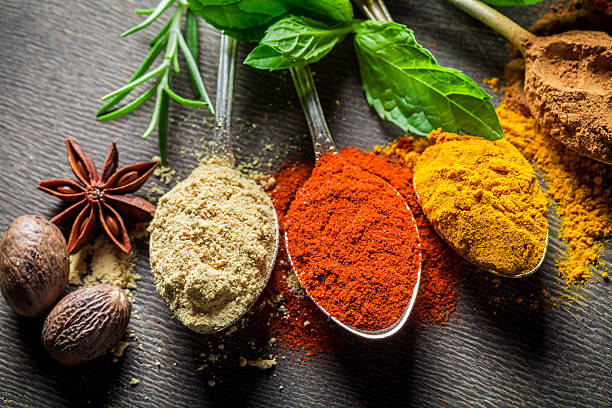
Natural Food Additives Market Nears $51 Billion Amid Clean‑Label Surge
The natural food additives market is poised to reach a valuation of approximately $51 billion by 2026, marking torrent growth from a base of $35 billion in 2021. This expansion reflects a pervasive shift toward clean‑label products, a surge in plant‑based offerings, and an increasing consumer focus on health and wellness. Food manufacturers worldwide are renegotiating ingredient portfolios to align with these evolving preferences, thereby redefining the competitive landscape of the food industry.
Key Growth Drivers
Clean‑Label Demand
Consumers now prefer products that contain minimal, easily recognizable ingredients. The term “clean label” represents a commitment to transparency, eliminating artificial additives and synthetic chemicals. This trend fuels demand for natural preservatives, natural flavors, and natural colors, which provide the same functional benefits as their synthetic counterparts while meeting consumer expectations.
Plant‑Based Expansion
Plant‑based foods have seen a surge in popularity, especially among millennials and Gen Z. The demand for plant‑based protein, dairy alternatives, and meat substitutes is driving the need for natural food additives that can improve texture, stability, and shelf life without compromising the plant‑based ethos. Natural plant extracts, polysaccharides, and green‑derived antioxidants are key ingredients in this segment.
Health‑Conscious Consumer Behavior
Health‑conscious shoppers seek ingredients that support immunity, gut health, and overall nutrition. Functional ingredients such as omega‑3 enriched oils, probiotic‑based additives, and natural vitamins are becoming central to product formulations. These ingredients not only enhance nutritional profiles but also help food manufacturers_csv comply with regulatory standards for health claims.
Segment Analysis
Natural Preservatives
Natural preservatives such as rosemary extract, grapefruit seed extract, and nisin are gaining ground in meat, dairy, and bakery products. They offer antimicrobial properties while aligning with clean‑label mandates.
Natural Flavors
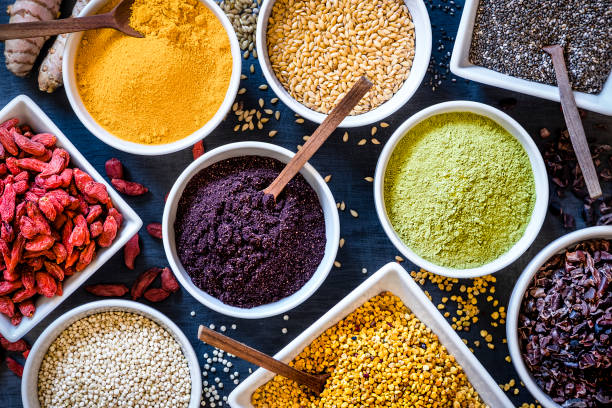
Flavor extraction from herbs, spices, and fruit zest is increasingly popular. Natural flavor solutions provide distinct taste profiles without the need for synthetic additives.
Natural Colors
Consumers demand vibrant, stable colors derived from natural sources like beetroot, turmeric, and spirulina. These alternatives provide visual appeal while meeting the expectations of clean‑label enthusiasts.
Regional Outlook
North America – The U.S. and Canada lead in clean‑label and plant‑based product launches, propelled by robust retail distribution and strong regulatory support.
Europe – European Union regulations on food additives and the EU’s “Clean Label” initiative drive a rapid shift to natural ingredients, especially in the UK, Germany, and France.
Asia‑Pacific – Rapid urbanization and rising disposable incomes in China, India, and Southeast Asia spur growth, with Japan and South Korea investing heavily in functional and natural ingredients.
Latin America & Middle East – Emerging markets show strong potential, though regulatory frameworks vary. Local sourcing of natural ingredients offers a competitive advantage.
Competitive Landscape
Ingredient Giants – Companies such as DSM, Cargill, and Ajinomoto are expanding their natural ingredient portfolios through acquisitions and R&D.
Start‑ups & Innovators – Boutique firms specialize in niche natural extracts and bioactive compounds, capturing market share in premium and artisanal food segments.
Vertical Integration – Food manufacturers are increasingly integrating ingredient production to secure supply chains and reduce costs.
Future Trends
Technological Advancements
Biotech and fermentation technologies enable the production of natural enzymes and bio‑flavors at scale, reducing costs and improving consistency.
Regulatory Evolution
Governments worldwide are tightening regulations on artificial additives. Clear labeling guidelines will further accelerate the shift to abnormal and natural ingredients.
Consumer Engagement
Digital platforms and QR codes allow consumers to trace ingredient origins, enhancing trust and supporting the clean‑label narrative.

Ascorbic Acid
Found this useful?