
Isopropyl Acetate: Industrial Uses and Market Trends
Isopropyl acetate plays an important role in the industrial solvents sector, supporting applications that require effective solvent performance, controlled evaporation and compatibility with different organic materials. Manufacturers across coatings, printing inks, pharmaceutical chemicals and specialty formulations consider its properties when developing products for specific industrial requirements.
As industrial production evolves, solvent manufacturers and downstream industries continue to evaluate performance, environmental considerations and regulatory expectations. These developments influence how the market views established solvents such as isopropyl acetate. Understanding its characteristics and industrial applications helps chemical industry professionals follow changes in solvent demand and manufacturing practices.
What Is Isopropyl Acetate?
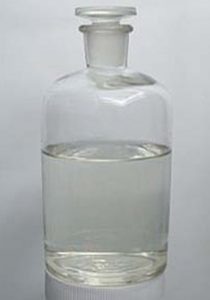
Isopropyl acetate, also known as propan-2-yl acetate, is an organic ester with the molecular formula C₅H₁₀O₂. It has a molecular weight of approximately 102.13 g/mol and typically appears as a clear, colorless liquid with a characteristic fruity odor.
The chemical belongs to the ester family, a group of organic compounds widely recognized for their solvent properties and industrial versatility. Its physical and chemical characteristics make it relevant to applications involving coatings, inks and specialty chemical formulations.
Important Chemical Characteristics
Several characteristics explain its industrial relevance:
Solvent activity: It dissolves or helps incorporate various organic materials, including several synthetic resins.
Evaporation behavior: Its medium-to-fast evaporation characteristics support applications where drying performance matters.
Organic compatibility: It mixes with many commonly used organic solvents, providing flexibility in solvent-based formulations.
Low water solubility: Its limited water solubility influences its behavior in different formulation environments.
Physical appearance: Its clear, colorless appearance makes it suitable for applications where solvent quality and consistency matter.
These characteristics make isopropyl acetate a specialized option within the broader industrial solvent category. Its suitability depends on the formulation, performance requirements and relevant safety standards.
Major Industrial Applications of Isopropyl Acetate
Isopropyl acetate serves several industrial sectors because of its solvent characteristics. Its role varies according to the materials being formulated and the performance requirements of the finished product.
1. Paints and Coatings
The paints and coatings industry represents an important application area. Manufacturers consider isopropyl acetate for formulations involving different synthetic resins and coating materials.
Its solvent characteristics support applications in architectural coatings, automotive refinishing, industrial maintenance and wood coatings. The chemical's evaporation behaviour also makes it relevant when manufacturers evaluate coating consistency and drying characteristics.
2. Printing Inks and Packaging
Printing operations require solvent systems that support ink formulation and printing performance. Isopropyl acetate has applications in commercial printing inks, graphic arts and certain packaging-related formulations.
Its compatibility with different organic materials makes it relevant to specialty ink development. Packaging applications also require attention to the intended use of the finished material and applicable food-contact regulations.
3. Pharmaceutical Chemicals
The pharmaceutical chemicals sector represents another industrial application area. Solvents play different roles in pharmaceutical manufacturing and related chemical processes.
Isopropyl acetate appears among the solvents considered for pharmaceutical chemical applications. However, suitability depends on the intended process, required purity and applicable pharmaceutical quality standards.
4. Automotive and Industrial Maintenance
Automotive coatings, refinishing products and industrial maintenance formulations require materials that meet specific surface and performance requirements.
Isopropyl acetate appears in several coating-related applications, including automotive original equipment manufacturing and refinishing. Its relevance extends to selected industrial maintenance and specialty coating formulations.
Factors Influencing Global Market Demand
Demand for isopropyl acetate connects with broader developments across the industrial solvents market. Rather than depending on one application, its commercial relevance reflects activity across several manufacturing sectors.
Growth in Coatings and Automotive Production
Construction, infrastructure development and automotive manufacturing influence demand for industrial coatings. As manufacturers develop different coating systems, they evaluate solvents based on compatibility, evaporation behavior and formulation requirements.
Automotive refinishing and industrial maintenance also contribute to the wider market for specialized coating solvents. Changes in production volumes and coating technologies can therefore influence demand across related chemical categories.
Expansion of Printing and Packaging
Printing and packaging remain important areas for solvent-based chemical formulations. Commercial printing, graphic arts and packaging components require materials that meet specific performance and regulatory requirements.
The continued development of packaging formats and printing technologies creates opportunities for specialty solvents. However, individual solvent demand depends on formulation choices and the adoption of alternative technologies.
Pharmaceutical Manufacturing Requirements
Pharmaceutical manufacturing requires consistent chemical quality and appropriate material specifications. Solvent selection depends on factors such as purity, compatibility and the requirements of the intended manufacturing application.
As pharmaceutical production and chemical manufacturing evolve, specialty solvent requirements may also change. These developments contribute to the broader industrial relevance of ester-based solvents.
Global Market Trends and Industry Developments
The isopropyl acetate market forms part of a competitive global solvent industry. Its outlook depends on manufacturing activity, technological developments, regulatory expectations and changes in downstream consumption.
The following trends describe relevant industry developments rather than a quantified market forecast. No unsupported market-size or growth figures are assumed.
Increasing Attention to Solvent Sustainability
Environmental considerations increasingly influence chemical manufacturing and product development. Manufacturers assess solvent characteristics alongside emissions, workplace exposure and environmental performance.
Isopropyl acetate has been identified by its commercial supplier Eastman as a solvent with predicted ready biodegradability. However, environmental performance depends on the complete application and handling conditions, not one property alone.
Development of Specialty Formulations
Industrial customers increasingly require materials that meet application-specific performance requirements. Coatings, printing inks and specialty chemical manufacturers evaluate different solvent combinations to achieve the desired formulation characteristics.
This creates opportunities for established solvents that offer useful compatibility and performance properties. Product consistency and technical specifications remain important considerations across these applications.
Regulatory and Environmental Expectations
Chemical manufacturers operate under changing environmental and workplace safety requirements. These expectations influence solvent selection, manufacturing practices, storage standards and industrial transportation.
Companies also evaluate chemical classifications and documentation requirements when managing materials across international markets. Regulatory compliance remains an important factor in the long-term commercial position of industrial solvents.

Production, Quality and Supply Chain Considerations
The commercial availability and consistency of industrial solvents depend on several interconnected manufacturing and distribution activities. Isopropyl acetate belongs to the ester family and is associated with esterification chemistry.
Its industrial production involves chemical manufacturing processes that require appropriate process control and quality evaluation. Product specifications help distinguish material intended for different industrial applications.
Importance of Product Quality
Quality consistency influences the suitability of solvents in industrial formulations. Variations in composition or contamination can affect the performance of downstream products.
Industrial quality evaluation commonly considers:
Chemical identity: Confirmation that the material matches the specified chemical composition.
Purity: Evaluation against the relevant grade requirements.
Physical properties: Assessment of characteristics such as appearance and other specification-defined properties.
Documentation: Availability of technical information and appropriate safety documentation.
Batch consistency: Maintaining consistent product characteristics across manufacturing batches.
These quality attributes form part of the wider framework used in industrial chemical manufacturing.
International Distribution and Logistics
Chemical distribution involves regulatory documentation, appropriate packaging classifications and transportation requirements. Flammable solvent classifications make safety management particularly important throughout the distribution chain.
International trade also involves differences in regulatory systems and documentation expectations. Chemical industry participants must account for applicable transport regulations and local compliance requirements.
Safety and Regulatory Considerations
Isopropyl acetate is classified as a highly flammable liquid. Its vapours can create fire hazards, while exposure may cause eye irritation, respiratory irritation, drowsiness or dizziness.
These characteristics make occupational safety and regulatory compliance essential parts of its industrial profile.
Important considerations include:
Hazard classification: Correct identification and communication of the chemical's flammability and health hazards.
Safety documentation: Maintaining an appropriate Safety Data Sheet (SDS) and related technical records.
Workplace protection: Following applicable occupational exposure requirements and industrial safety procedures.
Transportation compliance: Applying the relevant hazardous-material classification and transport documentation.
Environmental management: Following applicable rules for emissions, waste and accidental releases.
The National Institute for Occupational Safety and Health (NIOSH) identifies isopropyl acetate under CAS number 108-21-4 and provides information about its physical properties and occupational exposure considerations.
The Future Outlook for Isopropyl Acetate
The future position of isopropyl acetate will depend on developments across the industries that use specialty solvents. Coatings, printing inks, automotive refinishing and pharmaceutical chemicals provide several established application areas.
Several developments are likely to influence its industrial relevance:
Coating technology: Changes in coating formulations will influence the performance requirements placed on industrial solvents.
Environmental priorities: Manufacturers will continue evaluating solvent characteristics against environmental and regulatory expectations.
Specialty chemical development: New formulations may create changing requirements for solvent compatibility and consistency.
Industrial production: Manufacturing activity across automotive, construction, packaging and pharmaceutical sectors will influence downstream demand.
Regulatory changes: Evolving chemical safety and environmental requirements will shape industrial practices and product specifications.
For chemical industry professionals, understanding these developments provides a broader perspective on the role of ester-based solvents in global manufacturing. Isopropyl acetate remains an established industrial chemical whose relevance depends on application requirements, product quality and changing industry expectations.
Isopropyl Alcohol (IPA) (99.7%) - China
Found this useful?