ISPE 2026 in Singapore: What the Event Means for Pharmaceutical Manufacturing and Chemical Procurement
Singapore is hosting ISPE 2026 from August 19-21, bringing process engineering professionals together from across the region for a major pharmaceutical and specialty manufacturing industry event. For chemical traders, procurement managers, importers and exporters, the gathering offers a useful lens into how manufacturing priorities can influence demand for pharmaceutical and industrial inputs.
The event comes at a time when pharmaceutical manufacturers increasingly need closer coordination between process engineering, production planning and sourcing teams. As technical requirements become more closely connected with procurement decisions, events such as ISPE 2026 can help industry participants understand where supply opportunities may develop.
Why ISPE 2026 Matters to Pharmaceutical Manufacturing
ISPE 2026 connects professionals who work directly with the processes that support pharmaceutical and specialty manufacturing. Process engineering sits at the intersection of equipment, production systems, material handling, quality requirements and operational efficiency.
That makes the event relevant beyond engineering departments. Chemical procurement teams can gain valuable market insight by following the manufacturing priorities discussed among technical professionals, particularly when those priorities affect material specifications, production consistency and supplier selection.
For chemical traders and exporters, the event also provides a broader understanding of what industrial buyers may expect from suppliers. A buyer's requirements can extend beyond price, with technical suitability, consistency and supply reliability becoming important parts of the purchasing decision.
Singapore's Role in Regional Pharmaceutical Manufacturing
Holding ISPE 2026 in Singapore places the event within an important regional business environment. Singapore serves as a major location for advanced manufacturing and international trade, making it a practical meeting point for professionals working across Asian pharmaceutical and specialty manufacturing markets.
The regional connection matters for chemical suppliers because pharmaceutical production rarely operates within a single national market. Manufacturers may source raw materials from one country, process them in another and distribute finished products across multiple markets.
This creates several considerations for procurement teams:
Supplier reach: Buyers may evaluate suppliers based on their ability to support cross-border requirements and maintain consistent commercial relationships.
Material continuity: Production planning depends on dependable access to required chemical and pharmaceutical inputs.
Technical alignment: Suppliers need to understand specifications and application requirements rather than compete only on quoted price.
Regional responsiveness: Shorter communication and logistics cycles can support faster purchasing decisions when production needs change.
ISPE 2026 therefore provides a regional setting where technical manufacturing priorities and commercial supply considerations can be viewed together.
Process Engineering Is Increasingly Connected to Chemical Procurement
Process engineering decisions can influence the materials a manufacturer needs and the standards those materials must meet. A change in a manufacturing process, production method or operating requirement can affect purchasing specifications and supplier qualification.
For procurement managers, this means the traditional separation between technical and commercial teams becomes less practical. Purchasing decisions increasingly benefit from direct communication with engineering and production specialists.
Chemical traders can respond to this shift by strengthening their technical understanding of the products they offer. A supplier that can clearly communicate product specifications, documentation, packaging options and supply capabilities may have an advantage when buyers compare multiple sources.
This is particularly relevant for specialty manufacturing, where material performance and consistency can carry significant operational importance. Price remains important, but a lower quotation has limited value if the material does not meet the manufacturer's requirements.
What Chemical Buyers Can Take From ISPE 2026
The significance of an industry event does not end when the event closes. Procurement professionals can use the broader manufacturing discussion to reassess how they source and evaluate chemical inputs.
Several priorities stand out for buyers following the pharmaceutical manufacturing sector:
1. Understand the technical requirement.
Procurement teams should know the intended application, required specification and quality expectations before comparing supplier offers. This reduces the risk of choosing a material based solely on headline pricing.
2. Evaluate supply reliability.
A competitive chemical price does not compensate for inconsistent availability. Buyers should consider production capacity, lead times, shipment planning and the supplier's ability to support recurring orders.
3. Compare commercial terms carefully.
The quoted chemical price represents only part of the procurement equation. Freight, packaging, payment terms, minimum order quantities and delivery schedules can all affect the effective purchasing cost.
4. Keep supplier options open.
Developing relationships with multiple qualified suppliers can give manufacturers greater flexibility when market conditions, logistics or production requirements change.
5. Connect procurement with engineering.
Purchasing teams can make stronger sourcing decisions when they understand the technical priorities of the manufacturing process and communicate those priorities clearly to suppliers.
These practices can help buyers translate manufacturing trends into practical sourcing strategies.
Opportunities for Chemical Traders and Exporters
ISPE 2026 also highlights an opportunity for chemical suppliers to move beyond a transactional sales model. Pharmaceutical and specialty manufacturing buyers often need suppliers that understand the importance of consistency, documentation and dependable delivery.
For traders, this can create a stronger value proposition around sourcing expertise. Instead of simply presenting a product and price, suppliers can position themselves around reliable access to materials that match buyer specifications.
Exporters can also benefit from understanding regional procurement patterns. A buyer attending an industry event may be evaluating future supply relationships rather than looking for a single shipment, making credibility and responsiveness important factors in business development.
Useful capabilities for suppliers include:
Clear product specifications and commercial documentation
Consistent communication throughout the quotation process
Flexible shipment planning for international buyers
Understanding of pharmaceutical and specialty manufacturing applications
Access to alternative supply sources when appropriate
The strongest supplier relationships can develop when commercial teams understand the operational pressures facing their customers.
Specialty Manufacturing Creates New Procurement Considerations
Pharmaceutical manufacturing and specialty production require careful coordination between technical processes and material inputs. As manufacturers refine their operations, procurement teams must consider whether existing suppliers can continue meeting changing requirements.
This creates opportunities for chemical traders that maintain broad supplier networks and understand application-specific needs. A supplier that can identify suitable alternatives may help buyers manage sourcing challenges without disrupting established purchasing processes.
At the same time, procurement teams should avoid treating every alternative as an automatic replacement. Material substitution requires technical evaluation, especially where product performance, process compatibility or manufacturing quality depends on precise input characteristics.
For this reason, procurement, engineering and quality teams can benefit from maintaining closer communication when reviewing new chemical suppliers or alternative materials.
How Buyers Can Turn Event Insights Into Sourcing Strategy
Industry events provide information, but procurement teams need a practical process for converting that information into purchasing decisions. ISPE 2026 can serve as a starting point for reviewing supplier relationships and material sourcing priorities.
A useful post-event procurement review can focus on three areas.
First, identify which manufacturing priorities could affect chemical demand. If production teams place greater emphasis on process consistency or specialty manufacturing capabilities, purchasing teams should examine whether current suppliers support those objectives.
Second, review the resilience of existing supply arrangements. Buyers can assess whether they have sufficient supplier diversity, suitable delivery options and clear communication channels for future requirements.
Third, examine where digital sourcing platforms can improve supplier discovery. Online marketplaces can help buyers compare available offers and identify potential suppliers across international markets.
The objective is not simply to purchase chemicals at the lowest possible price. The stronger objective is to create a sourcing strategy that balances cost, quality, availability and commercial reliability.
Looking Ahead: What ISPE 2026 Could Mean for Buyers
ISPE 2026 takes place from August 19-21 in Singapore, bringing together process engineering professionals from across the region at a time when pharmaceutical and specialty manufacturing continue to depend on close coordination between technical operations and supply chains.
For procurement professionals, the event reinforces the importance of understanding what happens inside the manufacturing environment before making sourcing decisions. Engineering requirements can influence material specifications, production continuity can influence supplier selection and international trade conditions can affect delivered costs.
For chemical traders and exporters, the message is equally important. Competing in pharmaceutical-related markets requires more than access to products. Suppliers need to demonstrate commercial responsiveness, understand buyer requirements and build sourcing relationships that support long-term manufacturing needs.
The pharmaceutical supply chain will continue to connect engineering decisions with chemical procurement. Buyers that strengthen supplier networks, evaluate offers carefully and maintain close alignment with technical teams can position themselves more effectively as manufacturing requirements evolve.
Ready to source D-Calcium Pantothenate (Vitamin B5) from verified global suppliers? Explore competitive offers on our platform today.
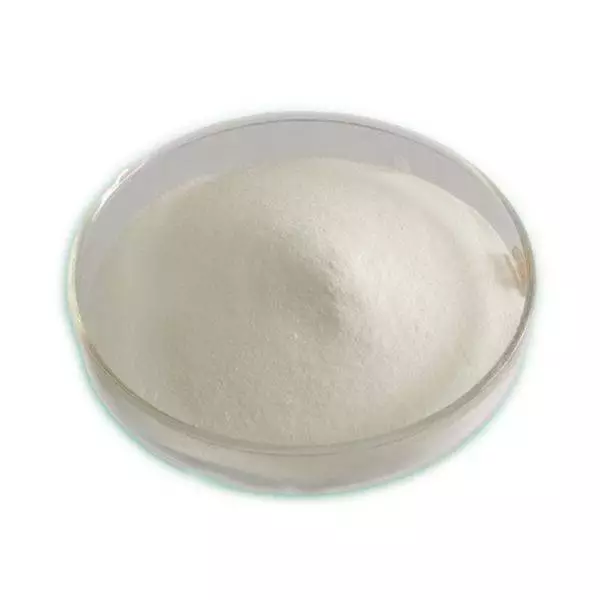
D-Calcium Pantothenate (Vitamin B5)
Found this useful?