Japan's Cracker Consolidation Wave: Idemitsu, Mitsui and Eneos Restructure Ethylene Assets
Japan's petrochemical sector is undergoing a historic contraction as major producers permanently retire aging assets. The ongoing Japan cracker consolidation wave forces industry leaders to shut or merge older ethylene units across the vital Keihin and Keiyo industrial zones.
Idemitsu Kosan, Mitsui Chemicals and Eneos are actively rationalizing their foundational chemical infrastructure in Chiba and Kawasaki. This strategic retreat signals the end of an era for domestic commodity olefin production in the country.
Procurement managers and chemical traders must completely rewrite their regional sourcing models to account for this permanent capacity loss. The physical removal of these plants alters trade flows and tightens supply for downstream converters.
Why Idemitsu, Mitsui and Eneos Are Retiring Ethylene Assets
The fundamental driver behind this consolidation is the severe margin squeeze hitting older naphtha-fed facilities. Japanese producers built these specific crackers decades ago when domestic demand for plastics grew rapidly and regional competition remained minimal.
Those market conditions no longer exist. Massive new capacity in China and the Middle East floods the Asian market with cheap polymers and completely destroys the export economics for high-cost Japanese operators.
Maintaining these aging furnaces requires massive capital expenditure for routine turnarounds and safety upgrades. Management teams refuse to inject fresh capital into assets that cannot generate a positive return on investment.
The national push toward carbon neutrality adds another heavy burden. Older steam crackers emit significant amounts of carbon dioxide and face steep penalties under evolving environmental frameworks.
The Geographic Focus on Chiba and Kawasaki
The Keihin and Keiyo industrial zones historically anchored the entire Japanese chemical industry. These coastal areas host dense networks of refineries, crackers and downstream derivative plants connected by extensive pipeline grids.
However, urban encroachment and aging port infrastructure make these specific locations highly inefficient for modern bulk chemical production. Land values remain extremely high and local governments enforce strict emission limits that older plants struggle to meet.
Idemitsu and Mitsui operate massive integrated complexes in these specific zones. They now evaluate every individual furnace and derivative unit against its specific footprint and utility consumption.
Shutting a standalone cracker in Chiba frees up valuable land for higher-margin specialty chemical investments. It also allows the operator to consolidate remaining olefin production into newer, more efficient assets located in other prefectures.
The Squeeze from Cheap Regional Imports
Japanese naphtha crackers sit at the very top of the global cost curve. They rely entirely on imported crude derivatives and lack the cheap ethane feedstock that advantages Middle Eastern and North American producers.
When Chinese producers export surplus polyethylene and polypropylene at rock-bottom prices, Japanese converters simply stop buying local resin. They switch to imported material to protect their own manufacturing margins.
This demand destruction hollows out the customer base for domestic cracker operators. A steam cracker needs to run at high utilization rates to remain profitable, and losing local buyers forces operators to export at a massive loss.
Faced with this brutal reality, Idemitsu, Mitsui and Eneos chose to shrink their physical footprint rather than fight a losing price war. They accept lower domestic market share to preserve their overall corporate profitability.
How Mergers and Closures Alter Domestic Supply
The consolidation process involves complex physical and corporate restructuring. Competitors that once fought fiercely for market share now form joint ventures to share remaining infrastructure and split the heavy fixed costs.
Mitsui and Idemitsu already merged specific cracker assets in the past to eliminate redundant capacity. They shut the oldest furnaces and pipe the remaining ethylene output through shared networks to their surviving derivative plants.
Eneos follows a similar strategy by integrating its refining and chemical operations more tightly. The company shuts standalone chemical units that lack direct pipeline connections to its core refinery fuel pools.
This physical integration creates a highly fragile local supply chain. A single unexpected outage at a surviving shared furnace now starves multiple downstream customers simultaneously.
The Shift Toward High-Value Specialty Chemicals
The capital saved from shutting basic commodity crackers flows directly into advanced material research. Japanese producers recognize they cannot compete on volume, so they pivot entirely toward performance and specialization.
Mitsui Chemicals invests heavily in advanced polymers for automotive lightweighting and medical devices. These high-performance resins command massive premiums and require deep technical support that cheap imports cannot replicate.
Idemitsu focuses on electronic materials and specialized compounds for the semiconductor industry. These niche applications consume very little physical volume but generate enormous profit margins per tonne.
Eneos directs its capital toward battery materials and advanced carbon fibers. This strategic pivot ensures these historic chemical giants remain highly profitable even as their basic olefin output shrinks dramatically.
Impact on Downstream Polymer and Derivative Buyers
Local converters and compounders face a radically different procurement landscape. They can no longer rely on abundant, cheap domestic resin delivered via short pipeline connections from neighboring complexes.
These downstream manufacturers must now import basic polymers from the Middle East, South Korea or the United States. This shift forces them to manage complex ocean freight logistics and hold much higher physical inventories.
The loss of local propylene supply specifically hurts manufacturers of automotive parts and home appliances. These industries require highly consistent material quality and face lengthy requalification processes when switching to overseas suppliers.
Traders step in to bridge this geographical gap by securing long-term lift agreements with foreign producers. They charter vessels and manage the complex customs clearance to deliver imported resin directly to Japanese factory gates.
What Procurement Teams Should Do Now
The permanent contraction of Japanese basic chemical production demands immediate strategic adjustments. Procurement managers must secure alternative supply lines before the remaining domestic assets face unexpected operational disruptions.
Audit your current resin allocations and identify any critical dependencies on the aging Chiba and Kawasaki complexes. Qualify overseas suppliers immediately to ensure your manufacturing lines never face sudden feedstock starvation.
Diversify your origin base heavily toward gas-fed producers in the Middle East and the Americas to secure low-cost, reliable volume.
Negotiate flexible freight terms that allow you to pivot between bulk tanker and container shipments based on real-time shipping rates.
Build strategic inventory buffers at local warehouses to protect your production schedules from unexpected maritime delays or port congestion.
Adaptability and global reach now define success in this shrinking regional market. Ready to source high density polyethylene from verified global suppliers? Explore competitive offers on our platform today.
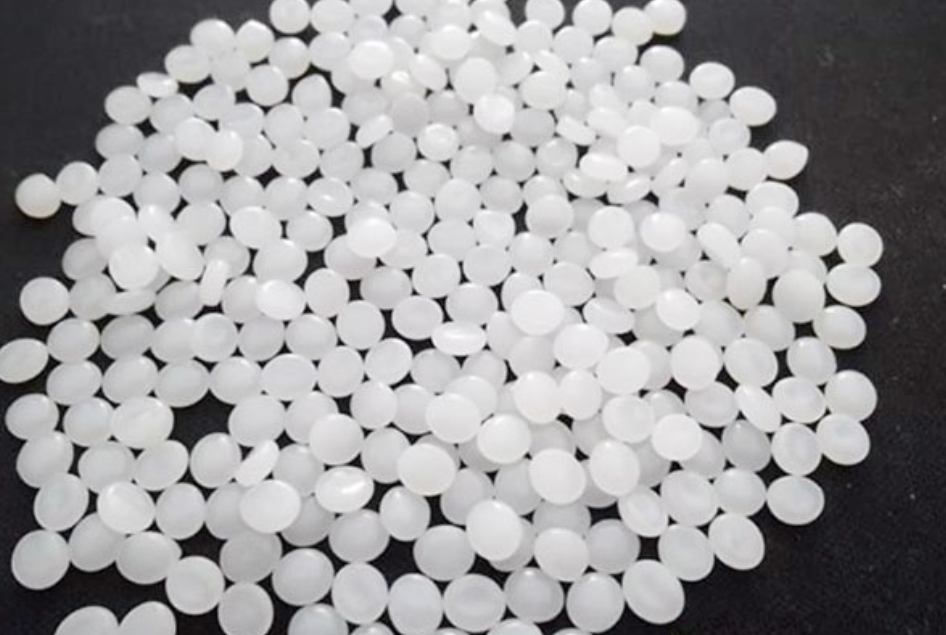
High Density Polyethylene (HDPE)
Found this useful?