japan's Ethylene Capacity Cut by Nearly 30%: Mapping Four Cracker Closures
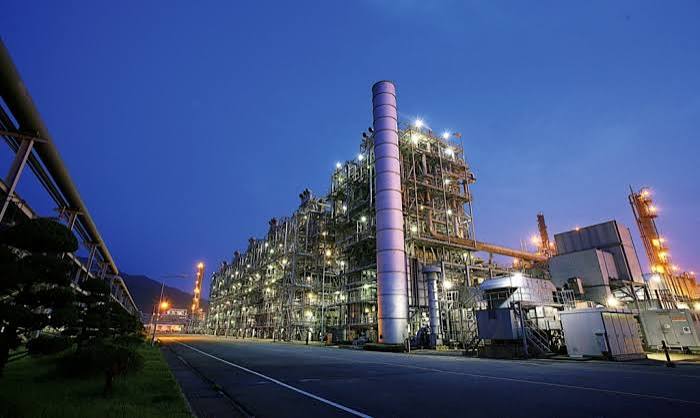
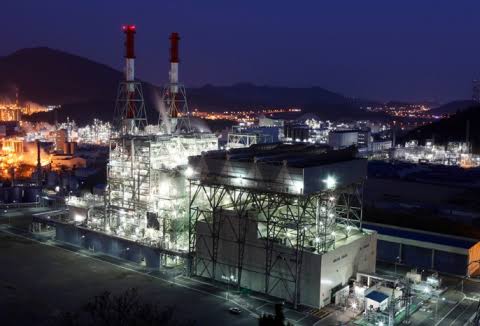
Japan's petrochemical industry is entering another major restructuring phase as operators move to close four ethylene crackers, reducing the number of operating units from 12 to 8 and cutting national ethylene capacity by nearly 30%.
The rationalization reflects a broader challenge facing mature Asian petrochemical markets: rising competition from newer, larger, and more cost-competitive plants in China is making older Japanese facilities increasingly difficult to operate competitively. Japan's ethylene utilization rate has remained below the estimated 80% breakeven level, reinforcing pressure for structural capacity reductions. (SunSirs)
The closures therefore represent more than individual plant shutdowns. They signal a shift toward fewer, larger, and more integrated production assets.
Why Japan Is Cutting Ethylene Capacity
Ethylene is one of the most important petrochemical building blocks, feeding production of polyethylene, ethylene oxide, ethylene glycol, and numerous downstream chemicals.
Japan's older cracker fleet faces several structural pressures:
Competition from newer Chinese capacity
Persistent regional overcapacity
Lower operating rates
High production costs
Aging infrastructure
Weak domestic petrochemical demand
Pressure to improve asset utilization
C&EN has highlighted the broader impact of China's petrochemical capacity expansion on established Asian producers, with Japanese companies increasingly responding through consolidation and rationalization. (C&EN)
Mapping the Four Cracker Closures
The restructuring involves several major Japanese producers.
Maruzen Petrochemical
Maruzen is moving toward greater reliance on its Keiyo Ethylene joint venture, allowing production to be consolidated rather than maintaining multiple competing cracker assets.
Idemitsu Kosan
Idemitsu is planning to consolidate ethylene production at the Mitsui Chemicals Ichihara site, with the restructuring expected to progress toward 2027.
Broader Industry Rationalization
Together with other planned closures, these changes reduce Japan's operating cracker count from 12 to 8.
The result is a more concentrated domestic production structure, with surviving assets expected to operate at higher utilization rates.
What the Capacity Reduction Means for Asia
Japan's cuts are occurring against a backdrop of continued petrochemical capacity growth elsewhere in Asia.
This creates an important regional contrast:
Japan: Capacity rationalization
China: Capacity expansion
Other Asian markets: Increasing pressure to improve competitiveness
The result could be a gradual reshaping of regional trade flows.
Japan may increasingly rely on imports for certain downstream products while concentrating domestic production around the most competitive and integrated sites.
At the same time, Japanese companies may seek greater specialization and operational efficiency rather than competing purely on volume.
Implications for Ethylene Derivatives
Ethylene capacity changes can affect a wide range of downstream markets.
Potentially affected chains include:
Polyethylene
Ethylene oxide
Ethylene glycol
Vinyl acetate
Styrene-related products
Other ethylene-derived intermediates
For downstream buyers, the important issue will be whether reduced Japanese supply is replaced by domestic consolidation, imports, or alternative regional suppliers.
Competitive Intelligence
Petrochemical buyers should monitor several indicators as Japan's restructuring progresses.
1. Cracker Utilization
Higher utilization at surviving facilities could improve the economics of remaining Japanese production.
2. Import Dependence
Reduced domestic ethylene production could increase Japan's reliance on imported derivatives.
3. Chinese Capacity
New Chinese crackers remain a major factor influencing regional prices and trade flows.
4. Integrated Sites
Producers with access to integrated feedstock, cracker, and downstream assets may have stronger cost positions.
5. Further Closures
Additional rationalization across Japan and other mature Asian markets could follow if utilization remains weak.
Procurement Considerations
Ethylene derivative buyers should reassess sourcing strategies as Japan's capacity structure changes.
Procurement teams should:
Monitor Japanese cracker shutdown schedules
Evaluate alternative Asian suppliers
Track polyethylene and other derivative availability
Compare regional landed costs
Diversify supply sources
Monitor Chinese capacity additions
Review long-term contracts for supply flexibility
For buyers, the key shift is from viewing Japan as a major volume supplier toward viewing it increasingly as a more concentrated and specialized petrochemical production base.
Looking Ahead
Japan's reduction from 12 to 8 operating ethylene crackers represents one of the clearest examples of petrochemical rationalization in a mature Asian market.
The restructuring may improve utilization and competitiveness at surviving facilities, but it also demonstrates the growing pressure created by China's expanding petrochemical capacity.
For the wider Asian market, Japan's closures could become a template for future consolidation: fewer assets, higher utilization, stronger integration, and greater focus on cost competitiveness.
Key Takeaways
Japan is reducing its operating ethylene crackers from 12 to 8.
National ethylene capacity is expected to fall by nearly 30%.
Maruzen is shifting greater output toward its Keiyo Ethylene joint venture.
Idemitsu is consolidating production at Mitsui Chemicals' Ichihara site.
China's expanding petrochemical capacity is increasing pressure on mature Asian producers.
The restructuring could reshape regional trade flows for ethylene derivatives.
Procurement teams should prepare for greater concentration among Japan's surviving petrochemical assets.
Sources
https://cen.acs.org/business/petrochemicals/Deluge-petrochemicals-China-swamps-Asian/104/web/2026/01 · https://www.spglobal.com/energy/en/news-research/special-reports/chemicals/chemical-trends-h1-2026/rationalisation/ethylene · https://www.sunsirs.com/commodity-news/petail-28420.html
Diethylene Glycol
Found this useful?