Khartis's Oral IGF-1R Candidate Could Test FDA's Approach to Replacing IV Therapies
Khartis's development of an oral IGF-1R inhibitor could become an important regulatory case study for pharmaceutical companies developing oral alternatives to established infusion therapies. The candidate is targeting a treatment area where patients currently rely on an injectable or intravenous approach, creating a potential opportunity to change how therapy is delivered.
The regulatory challenge is not simply demonstrating that an oral medicine works. The FDA must determine whether the new treatment provides an acceptable combination of efficacy, safety, dosing convenience and clinical benefit compared with established therapies.
That makes Khartis's program relevant beyond its individual pipeline. It could provide insight into how regulators approach drug candidates designed to replace more burdensome administration methods.
Why Oral Alternatives Are Attractive
Infusion-based therapies can require healthcare appointments, clinical monitoring and administration by trained professionals. An effective oral alternative could potentially reduce some of these logistical requirements.
For patients, oral treatment may provide greater convenience and reduce the burden associated with repeated visits to treatment centres.
For healthcare providers, an oral therapy could change how treatment capacity is managed. Fewer infusion appointments could affect scheduling, administration resources and related healthcare costs.
For pharmaceutical companies, the commercial opportunity can therefore extend beyond the molecule itself. Route of administration can become a competitive differentiator.
Tepezza Provides the Established Treatment Benchmark
Tepezza, an IGF-1R-targeting therapy marketed by Horizon Therapeutics, provides an established treatment model for thyroid eye disease.
An oral IGF-1R inhibitor seeking to compete with an established infusion-based therapy would need to demonstrate that its clinical profile supports a meaningful therapeutic role.
The FDA would need to evaluate the evidence generated by the new drug on its own merits rather than simply treating oral administration as sufficient reason for approval.
That distinction is important for developers pursuing alternative formulations or delivery routes.
FDA Review Could Focus on More Than Efficacy
A new oral treatment would need to establish an appropriate benefit-risk profile through clinical development.
Regulators can consider several dimensions:
Efficacy: Does the medicine achieve meaningful clinical outcomes?
Safety: Are adverse effects acceptable relative to the benefits?
Dosing: Can patients use the treatment appropriately outside an infusion setting?
Adherence: Does oral administration improve convenience without creating new adherence problems?
Drug interactions: Could oral administration introduce additional interaction risks?
Long-term use: What evidence supports continued treatment where applicable?
These factors can determine whether an oral alternative becomes a genuine replacement option rather than simply another treatment choice.
Route of Administration Changes the Supply Chain
Moving from an infusion therapy to an oral product could also change pharmaceutical supply requirements.
An infusion-based treatment may require specialized manufacturing, sterile processing, injectable-grade materials and controlled distribution.
An oral product can require a different set of manufacturing inputs, including pharmaceutical excipients, tablet-processing materials, coatings and packaging systems.
That means a successful oral alternative could shift demand across the pharmaceutical ingredient supply chain.
Procurement teams supporting developers should therefore monitor route-of-administration changes alongside clinical development milestones.
Oral Development Can Introduce Different Manufacturing Requirements
Oral drug manufacturing brings its own technical challenges. Developers need to ensure that the active ingredient can be formulated into a stable dosage form with predictable absorption and consistent performance.
The formulation may require specialized excipients or manufacturing processes.
As development progresses, suppliers of pharmaceutical ingredients may need to demonstrate consistent purity, particle characteristics and other specifications required for the final formulation.
This can create opportunities for specialized chemical suppliers, particularly if the drug eventually reaches commercial scale.
Regulatory Success Could Encourage Similar Development Strategies
If an oral IGF-1R inhibitor successfully demonstrates a strong benefit-risk profile, it could encourage other developers to pursue oral alternatives to injectable or infusion-based therapies.
The broader pharmaceutical development strategy is attractive because route-of-administration improvements can create differentiation even when the therapeutic target is already established.
Developers could increasingly ask whether an existing treatment can be delivered more conveniently rather than focusing exclusively on discovering entirely new targets.
The FDA Must Balance Innovation and Evidence
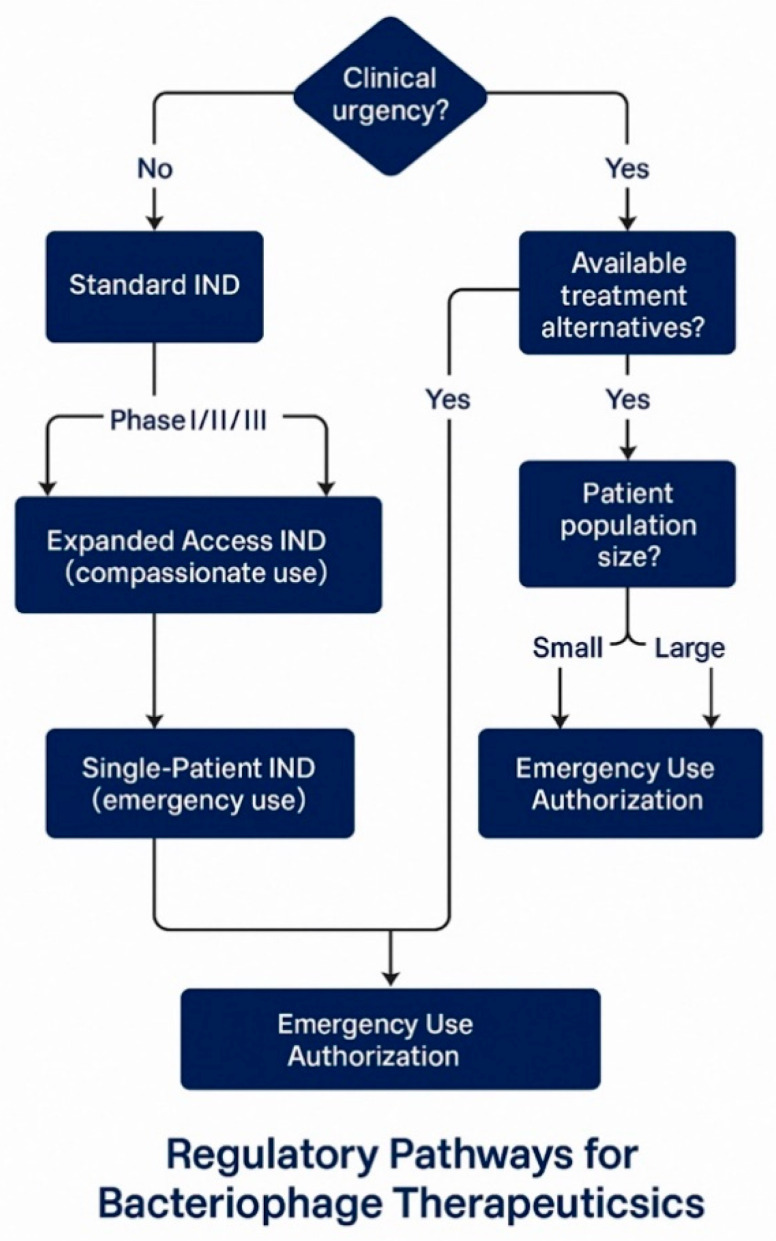
The regulatory appeal of an oral alternative is straightforward, but regulators still need sufficient evidence to establish its safety and effectiveness.
A more convenient route of administration should not automatically lower the evidentiary standard for clinical benefit.
At the same time, regulatory processes need to recognize genuine innovations that can improve patient access and treatment experience.
This creates a balancing exercise for the FDA: encourage meaningful delivery innovation while maintaining confidence in clinical evidence.
What the Pathway Could Mean for Pharmaceutical Companies
Khartis's program could provide useful signals for companies developing alternative formulations or delivery routes.
If the FDA demonstrates a clear pathway for evaluating oral alternatives, developers may gain greater confidence when designing similar programs.
If the pathway requires extensive comparative evidence or additional clinical work, development timelines could become longer.
Either outcome could influence investment decisions across pharmaceutical research and development.
Procurement Teams Should Track Route-of-Administration Changes
For pharmaceutical procurement professionals, route of administration is more than a clinical consideration. It can determine which suppliers and manufacturing technologies will eventually be required.
Teams should monitor whether pipeline candidates are moving toward:
Oral tablets or capsules.
Injectable formulations.
Infusion-based therapies.
Long-acting delivery systems.
Alternative drug delivery technologies.
Each transition can change the required material specification and manufacturing infrastructure.
Early visibility allows procurement teams to identify potential suppliers before demand reaches commercial scale.
Supplier Qualification May Become More Important
An oral alternative may require new excipients, formulation components or packaging materials that differ from those used for an established infusion therapy.
Those suppliers may need to undergo qualification before commercial production begins.
For critical materials, supplier development can take significant time.
Pharmaceutical manufacturers therefore benefit from starting qualification work before final approval when the probability of commercial launch becomes sufficiently high.
This approach can reduce the risk of supply constraints after regulatory approval.
Commercial Adoption Will Depend on More Than Approval
FDA approval would be a major milestone, but it would not automatically guarantee that an oral alternative replaces an established infusion treatment.
Doctors and patients may consider efficacy, safety, treatment familiarity, insurance coverage and clinical experience.
Healthcare providers may also weigh the benefits of reduced infusion requirements against the potential challenges of oral adherence.
The commercial outcome will therefore depend on the complete value proposition.
What Chemical Suppliers Should Watch
Chemical and pharmaceutical ingredient suppliers can monitor Khartis and similar programs for signals that demand is moving toward commercial manufacturing.
Useful indicators include:
Advancement into later-stage clinical development.
Expansion of manufacturing partnerships.
Increased demand for formulation-grade materials.
Development of commercial-scale manufacturing capacity.
Regulatory submissions.
Preparation for launch.
These signals can provide early indications of future ingredient demand.
The Bottom Line for Pharmaceutical Procurement
Khartis's oral IGF-1R inhibitor could become a useful test of how the FDA approaches oral alternatives to established infusion therapies. The key question will be whether the candidate can demonstrate an acceptable benefit-risk profile while offering meaningful advantages from its oral route of administration.
For pharmaceutical companies, the regulatory pathway could influence the attractiveness of similar drug-development strategies. For procurement teams, the implications extend into manufacturing inputs, supplier qualification and future demand forecasting.
If oral alternatives gain regulatory and commercial traction, the pharmaceutical supply chain could gradually shift toward different ingredient and formulation requirements.
The broader lesson is that route-of-administration innovation can reshape both regulatory strategy and procurement demand. Developers and suppliers that identify these shifts early will be better positioned to respond as established treatment models evolve.

Glycine (E640)
Found this useful?