Kuwait Infrastructure Attacks: What They Mean for Chemical Supply Chains | ChemicalsBlog.com
Country Watch
schedule3 Min Read
Kuwait Absorbs a Second Direct Hit on Critical Infrastructure
terminal
prodchem
Jul 21, 2026
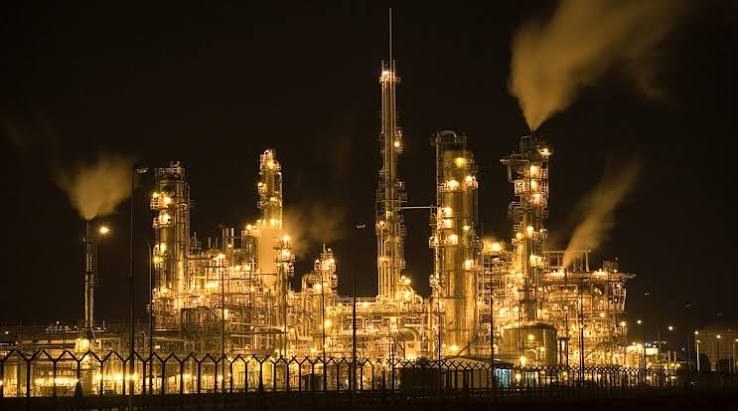
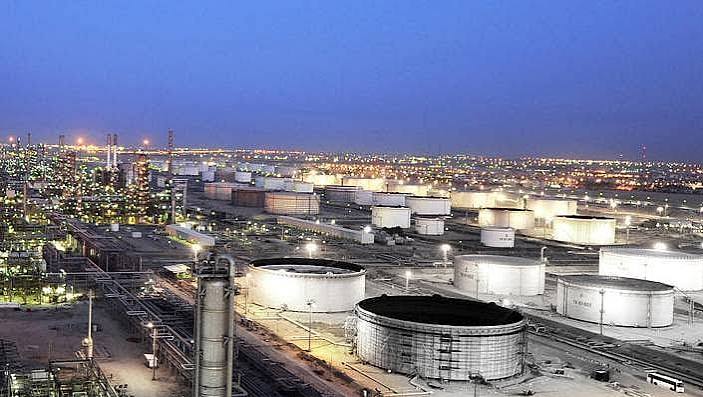
Kuwait has suffered a second direct hit on critical infrastructure in just two days, with Kuwait Petroleum Corporation (KPC) reporting a strike on an oil facility while a major power generation and desalination plant was also damaged. The incidents underscore the growing vulnerability of Gulf energy infrastructure as regional tensions escalate.
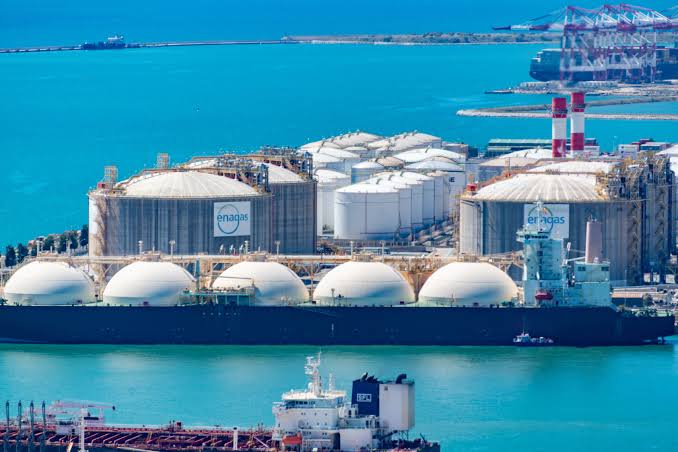
For chemical manufacturers, traders, and procurement professionals, Kuwait's strategic role in supplying crude oil, refined products, petrochemical feedstocks, and industrial chemicals makes these developments significant. Damage to energy and utility infrastructure can disrupt refinery operations, increase production costs, delay exports, and place additional pressure on already strained global supply chains.
Why Kuwait's Infrastructure Matters
Kuwait is a major producer of oil and petrochemical feedstocks that support global chemical manufacturing.
Key products linked to Kuwait's energy infrastructure include:
Power and desalination facilities are equally important because chemical production relies heavily on stable electricity and water supplies. Any disruption to these utilities can affect plant operations and export capacity.
Market Implications
The attacks could contribute to:
Higher geopolitical risk premiums
Increased oil and petrochemical price volatility
Rising marine insurance costs
Potential export delays
Greater supply chain uncertainty
Stronger demand for alternative sourcing regions
Even localized infrastructure damage can have ripple effects across international chemical markets if production or logistics are interrupted.
Procurement Considerations
Procurement teams should strengthen resilience by focusing on:
Multi-origin sourcing
Supplier diversification
Strategic safety stock
Long-term supply agreements
Freight and logistics monitoring
Continuous geopolitical risk assessment
Companies with diversified procurement strategies will be better positioned to manage potential disruptions if Gulf infrastructure remains under pressure.
Looking Ahead
The repeated attacks on Kuwait's critical infrastructure highlight the growing operational risks facing Gulf energy and chemical supply chains. While the full impact on production and exports will depend on the extent of the damage and repair timelines, procurement professionals should closely monitor infrastructure developments alongside freight conditions and commodity markets.
Maintaining diversified supplier networks and flexible sourcing strategies will remain essential as geopolitical risks continue to shape global chemical trade.
Key Takeaways
Kuwait has experienced a second direct attack on critical energy infrastructure.
Oil, power, and desalination facilities are essential to petrochemical production.
Supply chain disruptions could increase commodity price and freight volatility.
Procurement teams should diversify suppliers and strengthen contingency planning.
Flexible sourcing strategies improve resilience during geopolitical instability.
B2B chemical procurementSupply chainIndustrial Chemicalsspecialty chemicalsChemical Procurement StrategyPetrochemicalsChemical Supply ChainGlobalTrademiddle east marketmiddle eastMethanolUreaammoniaTradeChemKuwaitKuwait Petroleum Corporation