Introduction
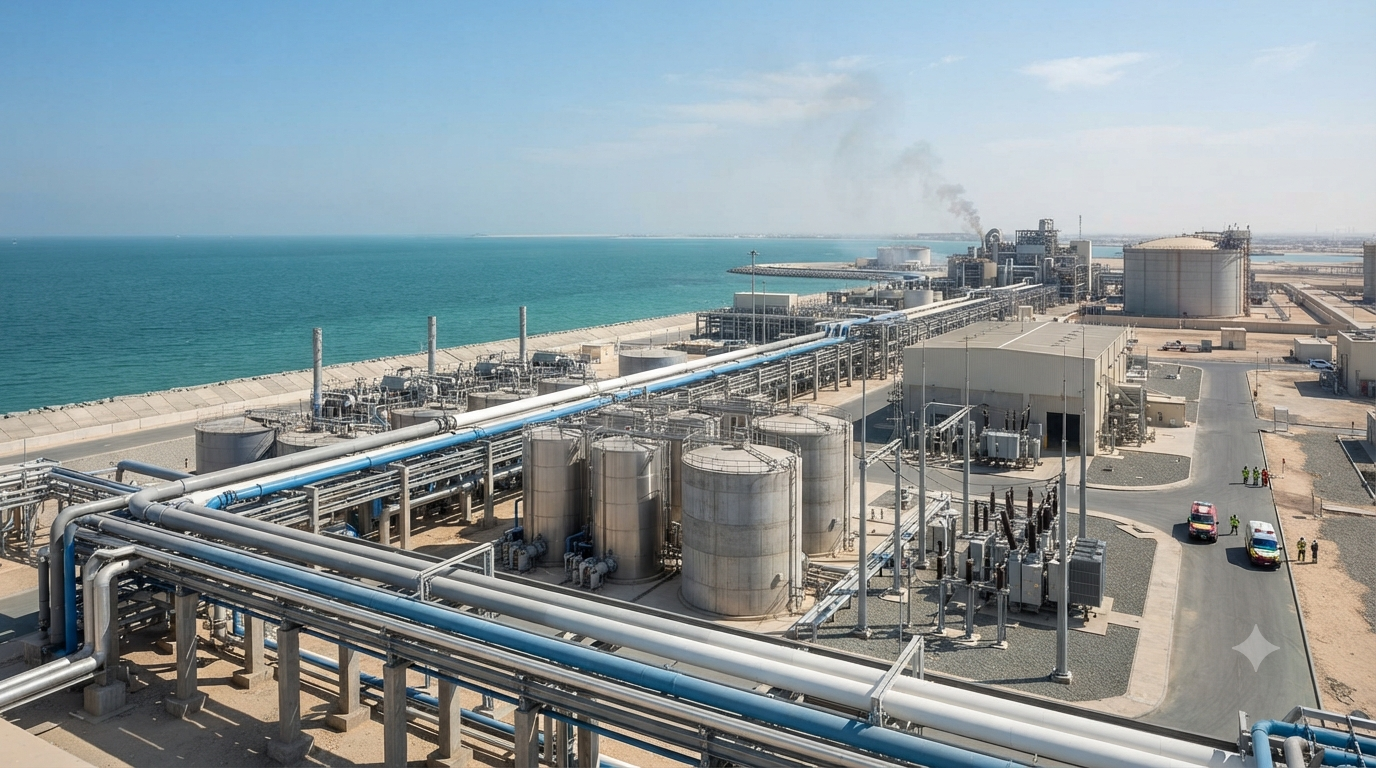
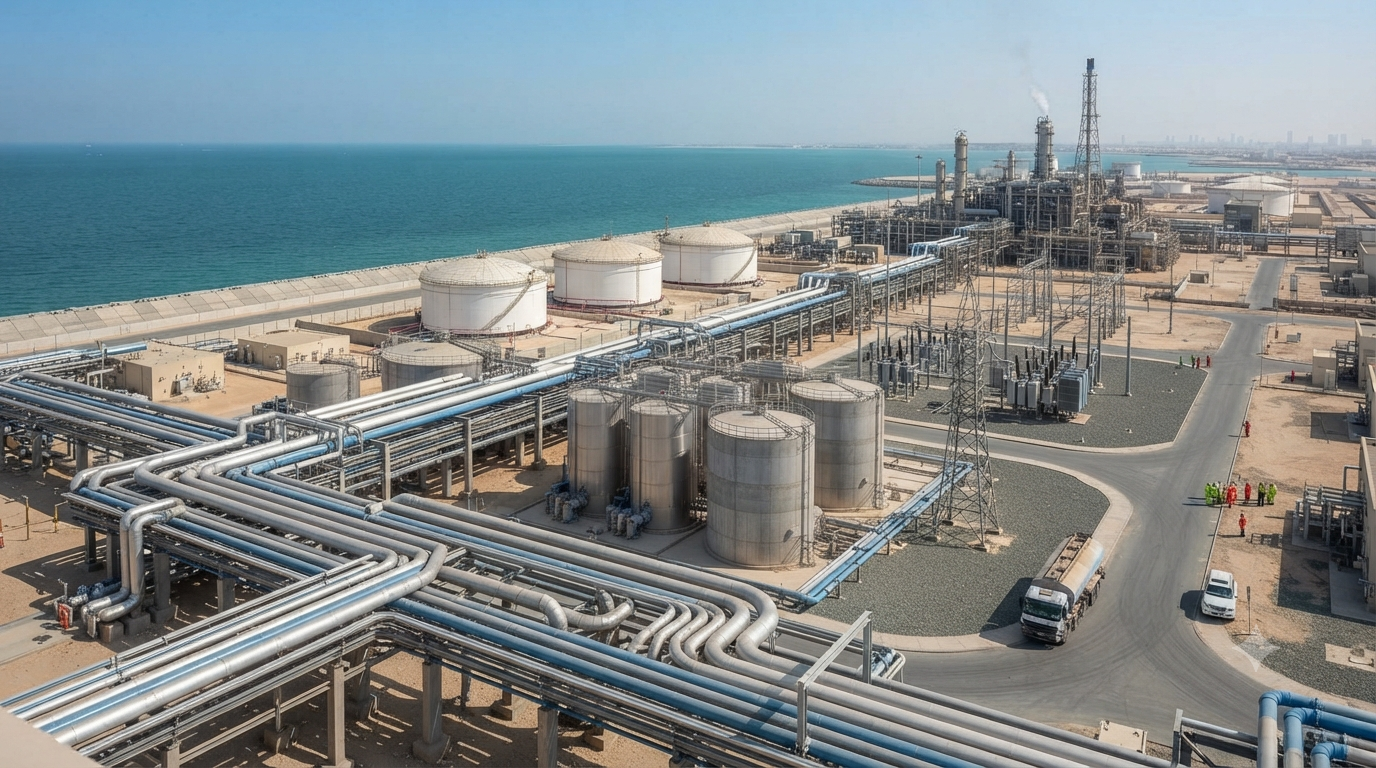
The recent wave of sabotage incidents targeting Kuwait’s desalination plants has sent shockwaves through the global food, beverage, and chemical sectors. These attacks underscore a growing threat: water security is no longer a backdrop but a core procurement risk that can halt production, spike costs, and damage brand reputation.
Impact of Kuwait's Desalination Plant Attacks
Nature of the Attacks
The attacks involved coordinated sabotage of key desalination facilities, causing prolonged outages and compromising water quality. Each incident required extensive repairs and raised concerns about future vulnerability.
Immediate ConsequencesบินProduction downtime for food ingredient manufacturers reliant on desalinated water.Supply chain disruptions for beverage producers seeking high‑purity water.Increased operational costs as companies seek alternative water sources.Water Security as a Procurement RiskWater is a foundational commodity in industrial processes. When its availability is threatened, the ripple effects spread across the entire supply chain. Companies now face the following challenges:Why Water Matters to Food & BeverageHigh‑quality water is essential for ensuring product consistency, meeting regulatory standards, and protecting consumer health. Any compromise can lead to recalls, fines, and loss of consumer trust.Implications for Ingredient Manufacturing< juneIngredient solubility and stability can be altered by water hardness or contaminants.Batch quality variability increases, impacting shelf life and safety.Manufacturing schedules must adjust to accommodate water treatment delays.Implications for Beverage ProductionFlavor profiles rely on precise mineral balances; sudden changes can alter taste.Carbonation processes are sensitive to water pressure and composition.Regulatory compliance requires traceable water sources and quality records.Implications for Chemical ProcessingIndustrial chemicals often use water as a solvent or reactant. Fluctuations in water purity can cause reaction inefficiencies, waste generation, and safety hazards. Maintaining a stable supply is critical for production continuity and cost control.
Mitigation Strategies for Companies
To safeguard against water security threats, companies should adopt a layered approach that combines diversification, technology, and contractual safeguards.
Diversifying Water Sources
Secure secondary water supplies such as municipal sources, groundwater, or brackish water treatment.
Invest in small‑scale on‑site desalination units to reduce dependence on single facilities.
Establish water sourcing agreements with multiple suppliers to spread risk.
Investing in Water Treatment & Reuse
Implement advanced filtration and dechlorination systems to reclaim process water.
Adopt membrane technologies (RO, NF) that provide high‑purity water for critical processes.
Integrate real‑time monitoring to detect contaminants before they affect production.
Building Resilience into Supply Chain Contracts
Include clauses thatાવીtrigger contingency plans if water supply fails. Require suppliers to maintain alternate water sources and provide rapid response capabilities. Align penalties with production loss to incentivize proactive risk management.
Conclusion
The Kuwait desalination attacks serve as a stark reminder that water security is a linchpin of the food, beverage, and chemical industries. By recognizing water as a procurement risk and implementing diversified sourcing, advanced treatment, and resilient contractual frameworks, companies can protect their operations, uphold quality standards, and maintain consumer trust in an increasingly uncertain world.