Kuwait's Repeated Infrastructure Strikes Raise International Law Questions About Civilian Targets
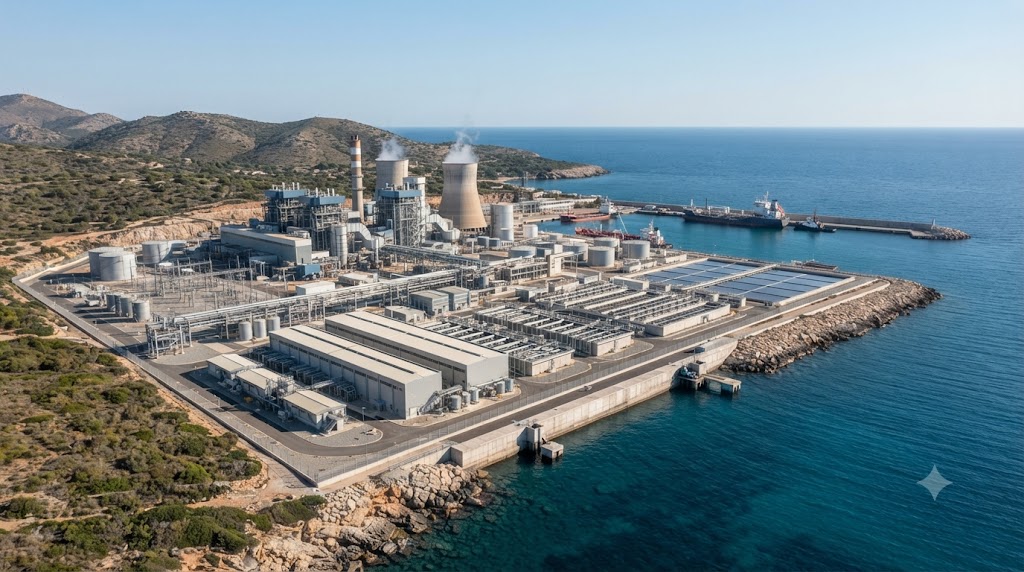
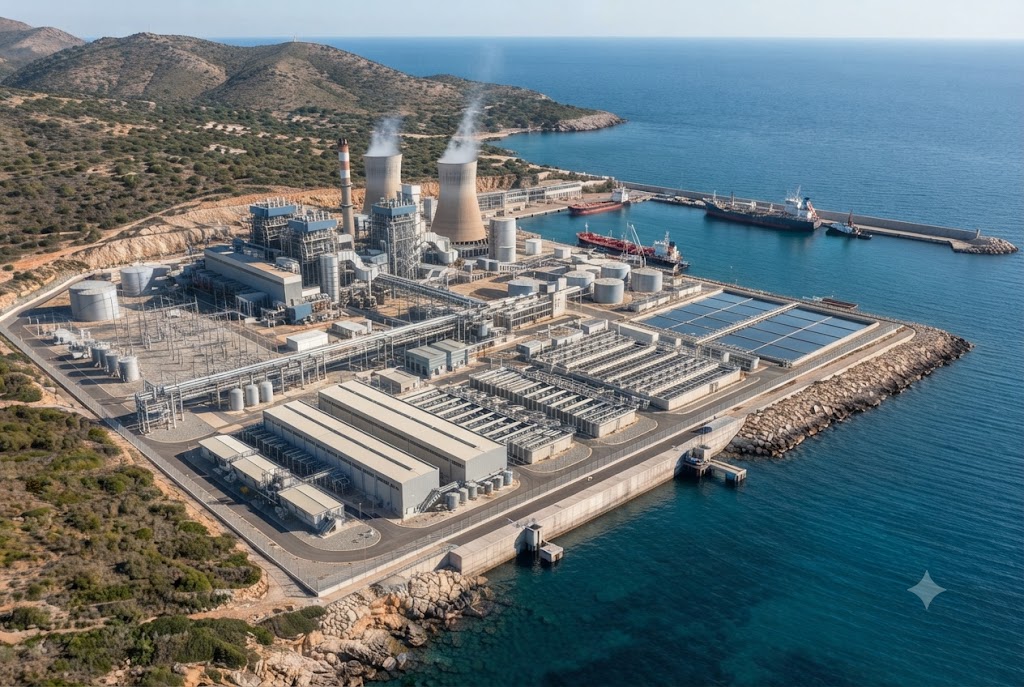
Iran executed its second strike in two days on a Kuwaiti power and desalination plant. This escalation raises severe humanitarian law questions regarding civilian infrastructure targeting.
For chemical traders and procurement managers, this development signals profound infrastructure risk across the Gulf region. The disruption of power and water facilities directly threatens the operational stability of adjacent chemical processing hubs.
Buyers must immediately assess their exposure to these cascading supply chain failures. Understanding the intersection of international law and commodity logistics is now a critical business imperative.
The Escalation of Civilian Infrastructure Targeting
Repeated attacks on dual-use facilities blur the lines of armed conflict. A power and desalination plant serves critical civilian populations.
Targeting such nodes violates core principles of international humanitarian law. The global chemical industry relies on stable utilities to maintain safe production environments.
Sudden power outages force emergency shutdowns of sensitive chemical reactors. This creates immediate safety hazards and destroys valuable batch inventory.
Direct Impacts on Water Treatment and Chemical Processing
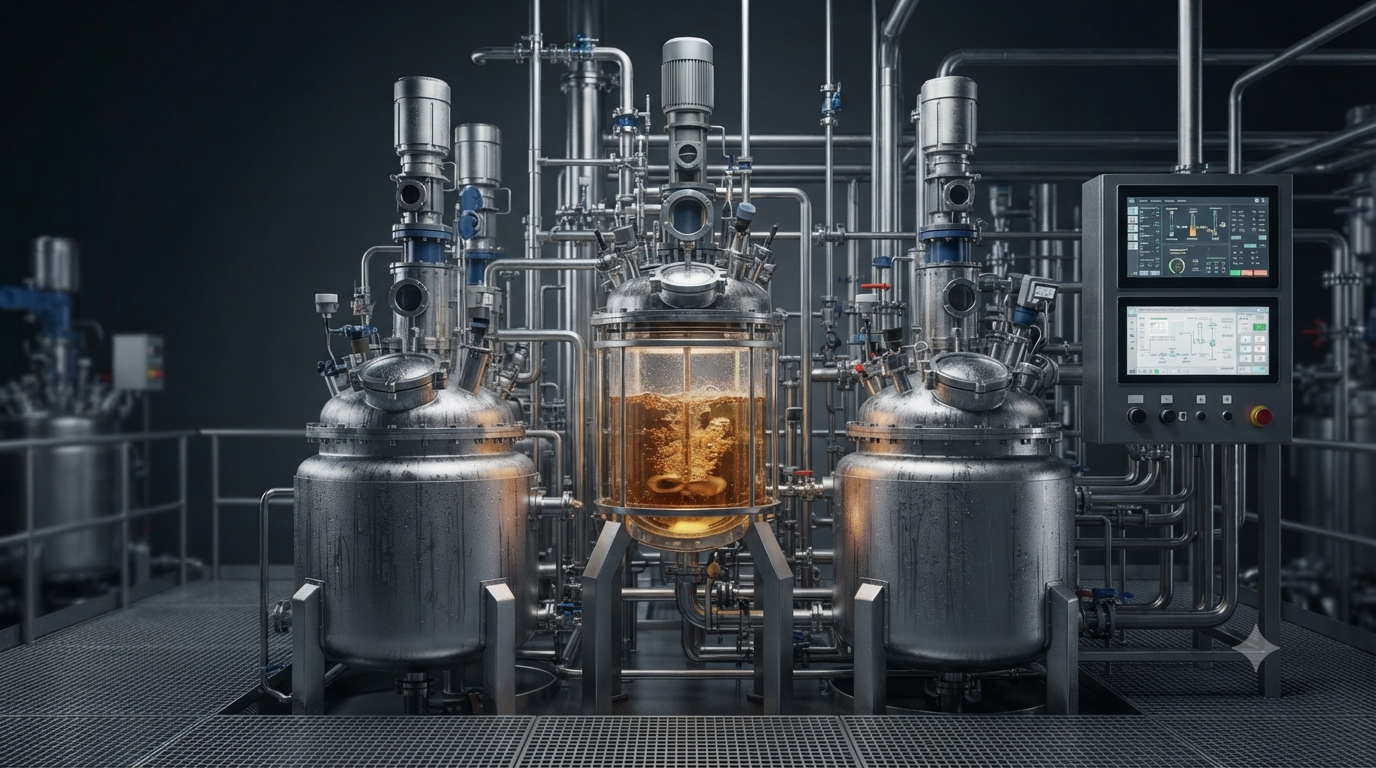
Chemical manufacturing is highly resource-intensive. Facilities require uninterrupted electricity and purified water for cooling and processing.
A strike on regional water infrastructure directly impacts the production of water treatment chemicals. Coagulant and flocculant manufacturing depends on consistent utility feeds.
When desalination capacity drops, the entire regional supply of purified industrial water contracts. This forces chemical producers to curtail output or halt operations entirely.
The production of coagulants like Polyaluminium Chloride requires precise thermal regulation. Any fluctuation in power supply compromises product quality and yield.
Manufacturers must discard batches that fail to meet strict purity standards. This waste further constricts the available market supply.
Regional Supply Chain Disruption and Logistics
The fallout extends far beyond the immediate blast radius. Port operations adjacent to these facilities often rely on the same power grid.
Cargo handling equipment may experience forced downtime during rolling blackouts. This creates severe bottlenecks for exporting bulk chemicals.
Supply chain disruption compounds as vessels wait at anchor for port clearance. Buyers face extended lead times and unpredictable demurrage charges.
Logistics providers will inevitably pass these delay costs down to the end consumer. This financial burden directly erodes procurement budgets.
International Law and Humanitarian Compliance
The targeting of civilian infrastructure triggers intense scrutiny from international bodies. The Geneva Conventions strictly prohibit attacks on objects indispensable to civilian survival.
Power grids and water desalination facilities fall squarely under this protection. Legal experts argue that such strikes constitute a clear violation of humanitarian law.
This legal reality complicates international trade and insurance underwriting. Marine insurers may invoke war risk exclusions for cargo moving through contested zones.
Buyers must verify that their suppliers maintain compliant operational standards. Failure to do so invites severe regulatory and financial penalties.
Strategic Sourcing Adjustments for Procurement Teams
Chemical buyers cannot control geopolitical conflicts. They must proactively adapt their sourcing strategies to mitigate exposure.
Diversify supplier geography. Qualify alternative sources in North America or Europe. This reduces exposure to a single maritime chokepoint and provides backup options during regional crises.
Renegotiate Incoterms. Shift from FOB to CIF terms where possible. This transfers the freight and utility risk to the supplier during the most vulnerable transit phases.
Build strategic inventory buffers. Holding additional safety stock protects against sudden delivery delays. The carrying cost of extra inventory is often far lower than the cost of a production halt.
Implement flexible contract structures. Use hybrid pricing models that share utility volatility risk transparently. This prevents sudden financial shocks when geopolitical events trigger price spikes.
Evaluating Alternative Feedstock and Processing Routes
Chemical producers are actively exploring alternative processing routes to bypass damaged infrastructure. Some facilities are investing in localized water purification systems.
This reduces their reliance on municipal desalination grids. Others are securing dedicated power contracts with independent generators.
These capital expenditures increase long-term operational costs. However, they provide essential insulation against future geopolitical shocks.
Buyers should inquire about these resilience investments during supplier audits. Facilities with robust backup systems represent lower supply chain risk.
This due diligence step is critical for maintaining uninterrupted production. Downstream manufacturers rely on consistent chemical deliveries to maintain production schedules.
A sudden spike in utility costs forces these facilities to absorb the difference. Both scenarios damage overall market competitiveness.
The preserved cost structure allows converters to maintain their current pricing models. Packaging and construction sectors can proceed with material planning without sudden budget shocks.
Procurement managers in these downstream sectors can now negotiate with greater confidence. They know their suppliers are not facing unexpected utility penalties.
What Buyers Should Do Now
The repeated strikes on Kuwaiti infrastructure mark a dangerous escalation in regional supply chain risks. Chemical traders must treat utility security as a core business priority.
Audit your current supply chain for single-point exposure immediately. Verify that your suppliers possess robust backup power and water systems.
Engage partners in transparent discussions about their specific contingency plans. Building resilient sourcing networks requires decisive action before a crisis peaks.
The organizations that secure alternative supply routes now will maintain production continuity. Others will face severe operational and financial consequences.
Ready to source Polyaluminium Chloride from verified global suppliers? Explore competitive offers on our platform today.

Polyaluminium Chloride (Industrial) - China
Found this useful?