
Lack of Agricultural Consultation on New Crop Protection Order Raises Industry Concerns
A recent report from AgWeb highlights a deeply concerning development for the agricultural supply chain: a prominent agricultural policy analyst, Coppock, revealed that there was absolutely no interaction between the writers of the new crop protection executive order and any agricultural group during the drafting process. For agricultural chemical buyers, distributors, and large-scale farm operators, this lack of consultation is a major red flag. Policy crafted in a vacuum often fails to account for the complex, time-sensitive realities of modern farming. This disconnect threatens to introduce severe compliance friction, unintended market disruptions, and operational bottlenecks for those relying on critical crop protection tools. Procurement managers must prepare for a regulatory environment that may prioritize theoretical ideals over practical agronomic needs.
The Risk of Policy Crafted in a Vacuum
Effective agricultural policy requires a delicate balance between environmental stewardship, public health, and food production realities. When policymakers draft regulations without input from the farmers, agronomists, and chemical manufacturers who implement them daily, the resulting mandates are often impractical.
Industry groups possess critical data on application windows, pest resistance management, and supply chain lead times. Excluding this expertise increases the likelihood of poorly timed restrictions or abrupt cancellations of vital active ingredients.
This agrochemical regulation disconnect means that new directives may impose compliance burdens that are logistically impossible to meet within a single growing season. Buyers must anticipate that the rollout of these policies will be messy and fraught with unintended consequences.
Potential Supply Chain and Compliance Friction
The immediate threat of unconsulted regulation is sudden supply chain disruption. If an executive order targets specific chemical classes without viable, registered alternatives readily available in the market, farmers are left defenseless against yield-threatening pests and diseases.
Manufacturers may be forced to halt production of targeted compounds on accelerated timelines. This creates a domino effect:
Inventory stranding: Retailers and distributors may be left holding unsellable stock.
Allocation chaos: Suppliers will scramble to redirect remaining inventory, leaving smaller buyers without access.
Compliance penalties: Farmers risk severe fines for inadvertently violating new, poorly communicated usage restrictions.
Procurement teams can no longer rely on stable, multi-year product lifecycles. The regulatory ground is shifting beneath their feet, demanding a more agile and defensive sourcing strategy.
Impact on Procurement and Farm Operations
For agricultural buyers, uncertainty is the most expensive variable. When the regulatory future of a core herbicide or fungicide is unknown, long-term budget planning becomes a gamble.
Operations may be forced to pivot to alternative chemistries at the last minute. These alternatives often come with higher price tags, different application equipment requirements, or lower efficacy profiles.
Furthermore, the lack of industry consultation suggests that future regulatory actions will likely follow the same pattern. Buyers must assume that abrupt policy shifts are a permanent feature of the current landscape, not a temporary anomaly. Proactive risk management is now a core competency for agricultural procurement.
Strategic Sourcing Adjustments for Agricultural Buyers
Chemical and input buyers must adapt their procurement strategies to navigate this environment of regulatory unpredictability. Relying on historical purchasing patterns invites severe operational disruption.
Diversify product portfolios aggressively. Avoid over-reliance on a single active ingredient for critical pest or weed control. Qualify alternative chemistries with different modes of action that have secure, long-term regulatory standing.
Prioritize suppliers with robust regulatory affairs teams. Partner with manufacturers who actively monitor policy shifts and can provide early warnings about potential registration changes or phase-outs.
Explore bio-based and low-risk alternatives. Products that inherently align with broad environmental goals are less likely to be targeted by sudden regulatory crackdowns. Investing in these alternatives future-proofs your supply chain.
Maintain flexible inventory levels. Avoid over-committing to long-term contracts for products facing high regulatory scrutiny. Conversely, maintain strategic buffers of foundational, low-risk inputs to ensure baseline operational continuity.
Engage in industry advocacy. Support agricultural organizations that are actively lobbying for practical, science-based regulatory frameworks and demanding a seat at the policymaking table.
What Buyers Should Do Now
The revelation that agricultural groups were excluded from drafting the new crop protection executive order is a clear warning sign. Procurement professionals must treat this regulatory disconnect as a strategic risk factor requiring immediate attention.
Audit your current crop protection portfolio to identify over-reliance on products that may be vulnerable to abrupt regulatory action. Actively seek out and validate alternative solutions that offer both agronomic efficacy and regulatory stability.
Engage suppliers in transparent discussions about their long-term registration strategies and contingency plans. Building a resilient, diversified procurement strategy is the only way to protect farm productivity and profitability in an increasingly unpredictable regulatory environment.
Ready to source Ferrous Sulphate Heptahydrate from verified global suppliers? Explore competitive offers on our platform today.
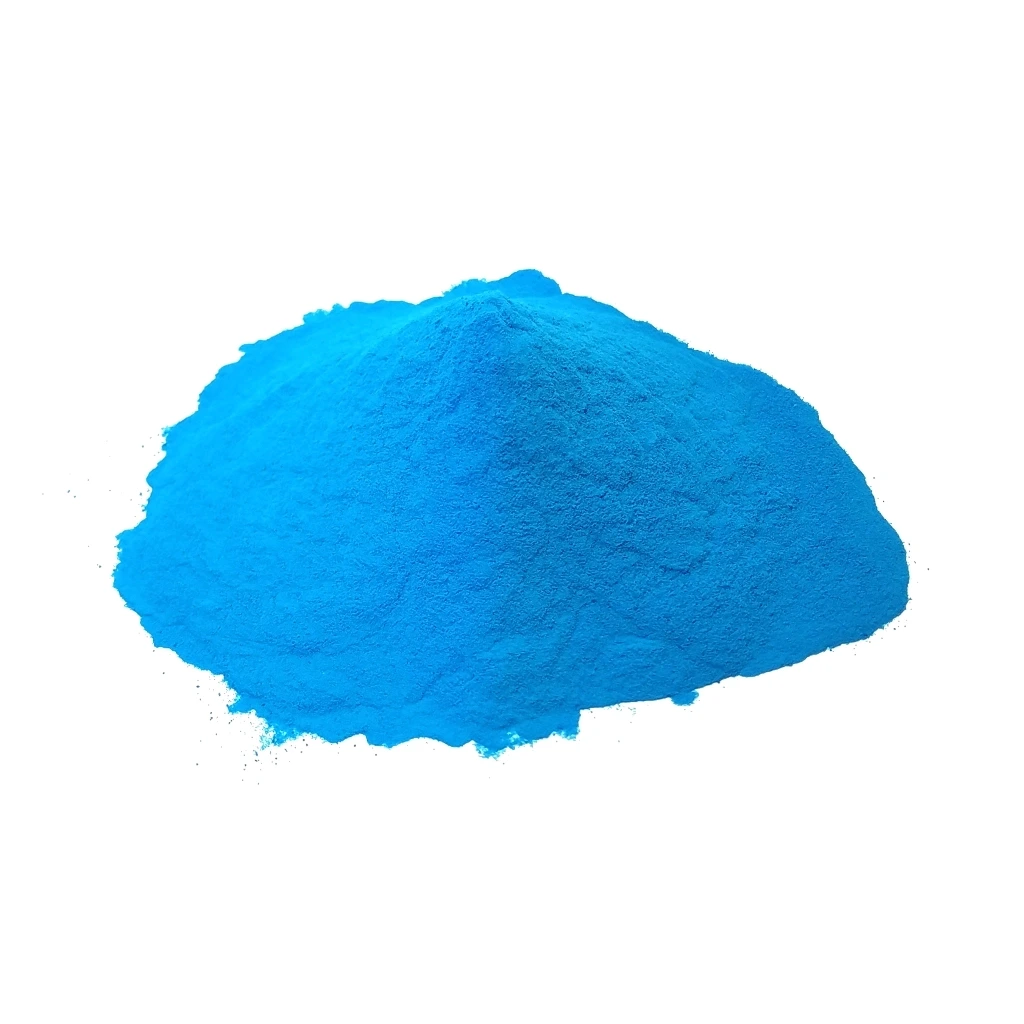
Ferrous Sulphate Heptahydrate (99.5%) - India
Found this useful?