Long-Tenured Industrial Chemists Anchor Specialty Chemical R&D Knowledge
A 28-year career in industrial chemistry can represent far more than professional longevity. Jake Remacle's award-winning career at Dow illustrates how experienced chemists can become critical anchors for institutional knowledge, particularly within specialty chemical research and development organizations.
For chemical traders, procurement managers, importers and exporters, this experience has commercial importance. Specialty chemical markets depend on technical understanding that often extends beyond product specifications, including formulation behavior, processing conditions, application requirements and the practical lessons gained through years of development work.
As specialty chemical companies manage changing technologies, evolving customer needs and increasingly complex supply chains, retaining experienced technical professionals can help preserve knowledge that would otherwise take years to rebuild.
Why Institutional Knowledge Matters in Specialty Chemical R&D
Specialty chemical development rarely depends on a single laboratory result. Teams often build new products through repeated experimentation, customer feedback, process adjustments and accumulated understanding of how materials behave across different applications.
Long-tenured chemists can connect these individual pieces. Their experience may help colleagues understand why a particular formulation works, why an alternative process failed in the past or which technical variables deserve closer attention before a new product moves toward commercial production.
This creates a form of institutional knowledge that does not always appear in technical documents.
Historical understanding: Experienced chemists can remember previous development pathways, technical challenges and decisions that may not appear fully in formal records.
Application knowledge: Years of working with customers and production teams can provide insight into how materials perform outside controlled laboratory conditions.
Problem-solving experience: Repeated exposure to complex technical issues can help experienced professionals identify potential problems earlier.
For specialty chemical organizations, that accumulated knowledge can support faster and more informed decision-making.
The Role of Experience in Product Development
Product development teams must balance technical performance with commercial requirements. A specialty material needs to meet its intended application criteria while also supporting manufacturing feasibility, consistency and customer expectations.
Long-tenured chemists can contribute by recognizing relationships between these requirements. Their knowledge may help R&D teams evaluate whether a proposed formulation change creates downstream implications for processing, quality or customer use.
The value becomes particularly visible when organizations develop products that require precise performance characteristics. A small change in raw material quality, processing conditions or formulation ratios can influence the final material significantly.
Experienced chemists can therefore serve as an important bridge between laboratory research and industrial application.
How Technical Knowledge Moves Through an Organization
Institutional knowledge does not remain valuable simply because an experienced employee possesses it. Organizations gain greater value when they create ways for that knowledge to move across teams and generations of technical professionals.
Mentoring represents one important mechanism. Senior chemists can work alongside younger researchers, explaining not only what a process does but also how to interpret unexpected results and decide which variables deserve investigation.
Cross-functional collaboration also matters. R&D professionals often interact with production, quality, procurement, sales and technical service teams. These interactions allow technical experience to influence decisions throughout the product lifecycle.

Why Long-Tenured Chemists Can Strengthen Customer Support
Specialty chemical buyers often require more than a certificate of analysis. They may need technical guidance about material selection, formulation compatibility, processing behavior or performance under specific operating conditions.
A technically experienced organization can respond to these needs more effectively when its personnel understand the practical history behind its products.
For procurement teams, this can influence supplier selection. A supplier with strong technical capabilities may provide value through application support, troubleshooting and product development collaboration rather than simply fulfilling purchase orders.
That distinction becomes especially relevant for specialty chemicals where switching suppliers can require reformulation, testing and customer approval.
The Procurement Value of Preserving R&D Knowledge
Procurement decisions often focus on price, availability, specifications and delivery reliability. Those factors remain essential, but specialty chemical sourcing can also depend on the depth of technical support available from a supplier.
When a supplier maintains experienced R&D personnel, buyers may gain access to knowledge that helps reduce uncertainty during product qualification.
For procurement managers, useful indicators include:
Technical continuity: A stable R&D team can help maintain consistent understanding of product performance over time.
Application support: Experienced technical staff can help address formulation or processing challenges that emerge after purchase.
Product consistency: Strong institutional knowledge can support closer attention to critical manufacturing and quality variables.
Development collaboration: Suppliers with deep technical expertise may contribute more effectively to customized material requirements.
These factors can become commercially significant when the chemical represents an important input into a customer's finished product.
What the Dow Example Signals for Specialty Chemical Companies
Jake Remacle's 28-year career at Dow offers a clear example of how individual expertise can become part of a company's broader technical foundation. His award-winning career highlights the contribution that long-tenured industrial chemists can make within a major specialty chemical R&D environment.
The broader lesson extends beyond one company or one career. Specialty chemical organizations operate in markets where product knowledge develops over long periods, often through repeated interactions between researchers, manufacturing teams and customers.
Retaining experienced professionals can therefore support continuity while younger scientists introduce new methods, technologies and perspectives.
The strongest organizations can combine both. They preserve proven technical knowledge while creating room for new approaches to reshape product development.
Managing the Risk of Knowledge Loss
Employee turnover creates a potential knowledge gap when experienced chemists leave before their expertise reaches the next generation of technical staff. Formal documentation can reduce this risk, but written procedures cannot always capture the reasoning behind every technical decision.
Companies can address this challenge through structured knowledge transfer. Mentoring, project debriefs, technical databases and collaborative development programs can help convert individual experience into organizational capability.
A practical knowledge-retention strategy can include:
Documenting development histories: Record important formulation changes, testing outcomes and technical decisions.
Pairing experienced and early-career scientists: Encourage direct collaboration on active projects rather than relying only on formal training.
Capturing customer application lessons: Preserve technical feedback from commercial projects and field troubleshooting.
Maintaining accessible technical records: Ensure researchers can locate previous development work before repeating experiments.
Encouraging cross-functional reviews: Bring R&D, production, quality and commercial teams together when major technical decisions arise.
These practices can turn individual expertise into a more durable organizational resource.
The Connection Between R&D Expertise and Specialty Chemical Supply Chains
The value of institutional knowledge can extend into the supply chain. Raw material substitutions, changing specifications and supply disruptions can force chemical manufacturers to reconsider formulations or production methods.
An experienced technical team may understand which material characteristics are critical and which specifications offer room for adjustment. That knowledge can help organizations evaluate alternative sources without treating every substitution as a simple one-for-one replacement.
For importers and distributors, this creates another consideration when evaluating chemical suppliers. A supplier's technical depth can influence how effectively it responds when market conditions disrupt established sourcing arrangements.
In specialty chemical trading, the ability to understand a product beyond its basic specification can become a competitive advantage.
What Buyers Should Watch in Specialty Chemical Suppliers
Procurement teams increasingly evaluate suppliers across multiple dimensions. Price remains important, but technical capability can influence total sourcing value, especially for materials with demanding applications.
When assessing a specialty chemical supplier, buyers can look beyond the commercial offer and consider:
The depth and stability of the supplier's technical team.
The availability of application and formulation support.
The supplier's ability to explain product performance consistently.
Its responsiveness when specifications or raw material availability change.
Its willingness to collaborate on technical development.
These factors can help buyers distinguish between suppliers that simply sell a chemical and suppliers that can support the broader technical requirements surrounding that chemical.
The Bottom Line for Procurement Teams
Long-tenured industrial chemists represent an important form of intellectual capital for specialty chemical companies. Jake Remacle's 28-year career at Dow demonstrates how sustained technical experience can help anchor knowledge within an R&D organization while supporting continuity across changing generations of scientists.
For chemical buyers, that institutional strength can matter indirectly but significantly. A supplier's accumulated technical knowledge can influence product consistency, troubleshooting, application support and the ability to respond when supply or formulation conditions change.
The specialty chemical market will continue to evolve through new technologies, materials and customer requirements. Companies that preserve valuable technical experience while developing the next generation of chemists can strengthen their ability to innovate and serve industrial customers over the long term.
For procurement professionals, the takeaway is straightforward: evaluate technical capability alongside price, specifications and logistics when selecting specialty chemical suppliers. Ready to source Fumed Silica from verified global suppliers? Explore competitive offers on our platform today.
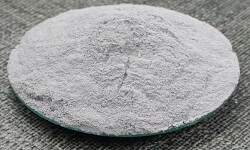
Fumed Silica
Found this useful?