As the global hydrogen economy matures, procurement priorities are beginning to evolve. For years, hydrogen has commonly been described using color labels such as green, blue, and grey to indicate its production pathway. While these classifications remain useful, industry experts increasingly believe they are no longer sufficient for evaluating the true environmental performance of hydrogen.
According to recent market insights from Cleantech Group, buyers are expected to place greater emphasis on verified carbon intensity, upstream methane emissions, and plant-level environmental performance rather than relying solely on color-based classifications.
For procurement professionals negotiating long-term hydrogen supply agreements, this represents an important shift. Future purchasing decisions will increasingly depend on measurable emissions data and transparent reporting rather than marketing terminology alone.
Understanding Hydrogen Color Labels
Hydrogen is commonly categorized according to its production method.
Some of the most widely recognized classifications include:
Green hydrogen – Produced using renewable electricity through water electrolysis.
Blue hydrogen – Produced from natural gas with carbon capture and storage (CCS).
Grey hydrogen – Produced from natural gas without carbon capture.
While these categories provide a general overview of production methods, they do not necessarily reflect the actual greenhouse gas emissions associated with a specific production facility.
Why Carbon Intensity Is Becoming More Important
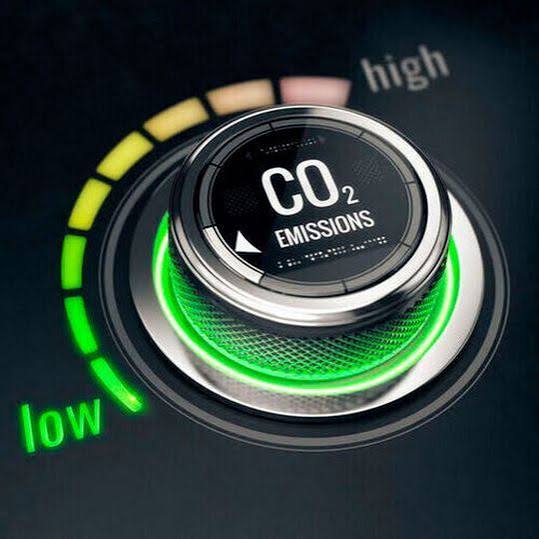
Carbon intensity measures the total greenhouse gas emissions generated during hydrogen production, usually expressed as emissions per unit of hydrogen produced.
This calculation considers multiple factors, including:
As reporting standards continue to evolve, many buyers are prioritizing verified emissions data over broad production labels.
The Growing Focus on Methane Emissions
One of the most significant areas receiving increased attention is upstream methane management.
Methane is a powerful greenhouse gas, and emissions occurring during natural gas production and transportation can significantly affect the overall carbon footprint of hydrogen.
For blue hydrogen projects, effective methane control throughout the natural gas supply chain is becoming an increasingly important part of sustainability assessments.
Updating Procurement Due Diligence
As market expectations change, procurement teams may need to expand their supplier evaluation processes.
Key areas to review include:
Verified carbon intensity data
Plant-specific emissions reporting
Methane monitoring programs
Carbon capture performance
Third-party certification
Environmental reporting transparency
Regulatory compliance
Continuous emissions improvement initiatives
These factors provide a more comprehensive understanding of supplier sustainability performance than production pathway alone.
Questions Procurement Teams Should Ask Suppliers
When evaluating hydrogen suppliers, consider requesting information on:
Carbon intensity of individual production facilities
Methodology used to calculate emissions
Independent verification or certification
Methane emissions monitoring practices
Carbon capture efficiency (where applicable)
Renewable electricity sourcing (for electrolysis projects)
Sustainability reporting and disclosure practices
These discussions help strengthen procurement decisions and support long-term environmental objectives.
Looking Ahead
The hydrogen market is entering a new phase where transparency, measurable performance, and verified environmental data are becoming increasingly important. While hydrogen color classifications will continue to provide useful context, procurement decisions are expected to rely more heavily on plant-level carbon intensity and independently verified emissions data.
For procurement professionals, updating supplier qualification frameworks now will help prepare for evolving customer expectations, sustainability reporting requirements, and future regulatory developments. Organizations that prioritize data-driven supplier assessments will be better positioned to build resilient and responsible low-carbon hydrogen supply chains.
Key Takeaways
Hydrogen color labels provide useful context but do not fully reflect environmental performance.
Verified carbon intensity is becoming a key procurement consideration.
Upstream methane emissions can significantly influence hydrogen's overall carbon footprint.
Procurement teams should request transparent, plant-specific emissions data from suppliers.
Strong due diligence supports more sustainable and future-ready hydrogen sourcing strategies.