Ludwigshafen's 74-Year Employment Streak Ends Amid Ongoing Restructuring
In May 2026, a historic era in European chemical manufacturing officially concluded. The continuous run of employing more than 30,000 people at the BASF Ludwigshafen site ended, breaking a 74-year streak unbroken since 1954. This milestone is not merely a human resources statistic. It represents a definitive shift in how the world's largest chemical manufacturing complex operates.
Procurement managers and chemical traders must recognize the supply chain implications of this event. The end of this employment streak directly correlates with BASF rationalizing its largest manufacturing complex. Buyers relying on European chemical production must adapt to a landscape where capacity optimization takes precedence over historical volume guarantees. Understanding this structural change is vital for securing long-term supply stability in a volatile global market. Ignoring these signals invites severe operational disruptions and unexpected cost escalations.
The End of a 74-Year Employment Era
The site maintained a workforce exceeding 30,000 individuals for over seven decades. This stability previously guaranteed consistent output and reliable delivery schedules for global buyers. The recent drop below this threshold signals a permanent operational pivot for the entire facility.
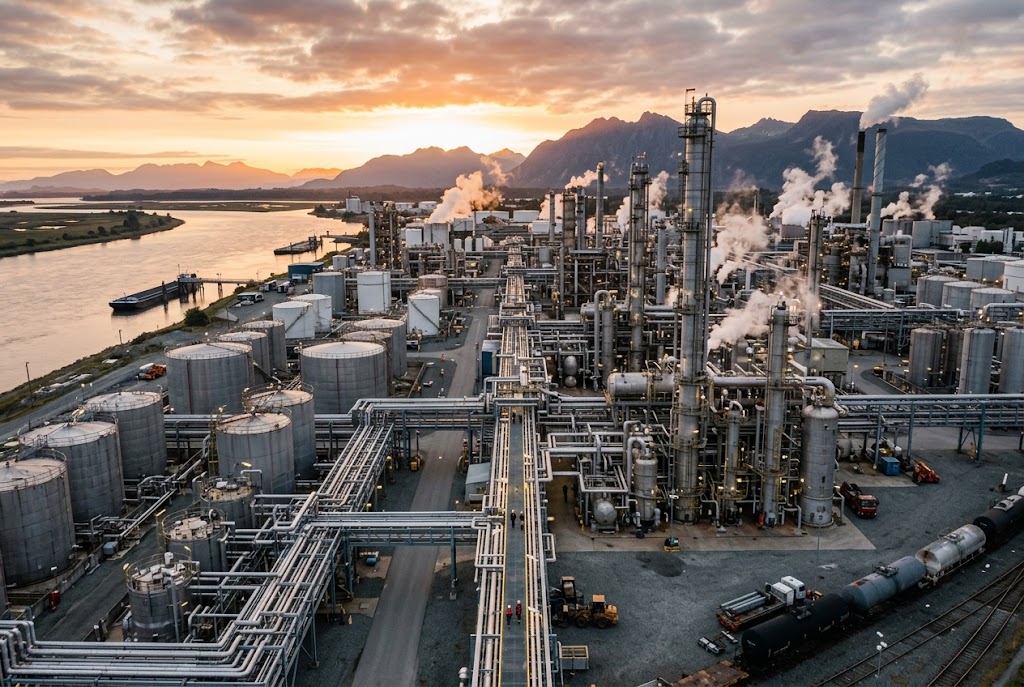
BASF continues rationalizing its largest manufacturing complex to align with modern economic realities. High energy costs and stringent environmental regulations have forced a reevaluation of legacy production units. The company is systematically retiring inefficient assets rather than sustaining them with inflated headcounts.
This gradual reduction contrasts sharply with the postwar industrial boom. The facility once symbolized endless European manufacturing growth and unlimited capacity expansion. Today, it represents a mature industry adapting to severe macroeconomic headwinds and shifting global trade patterns.
How Rationalization Impacts Chemical Supply Chains
Rationalizing a mega-site inevitably alters the availability of specific chemical grades. Buyers will notice tighter supplies for certain bulk intermediates as production shifts to more cost-effective global locations. The consolidation of operations creates a leaner but less redundant supply network.
The famous Verbund system relies on interconnected production units. Closing specific nodes disrupts the internal flow of intermediate chemicals. This disruption forces the company to source certain precursors externally or reduce overall output.
Capacity consolidation: Remaining active units will focus on high-margin specialty chemicals and advanced materials.
Lead time adjustments: Transitioning production lines often causes temporary logistical bottlenecks and shipping delays.
Freight pattern changes: Increased reliance on imports from North America and Asia will alter standard European shipping routes.
Procurement teams must update their risk models to account for these structural shifts. Relying on historical delivery patterns is no longer a viable strategy for modern supply chain management.
Strategic Sourcing in a Rationalized Market
Chemical buyers must proactively diversify their supplier networks. Depending on a single geographic hub for critical raw materials introduces unacceptable vulnerability to your operations. A multi-regional sourcing strategy is now a fundamental requirement for business continuity.
Engaging with alternative suppliers in regions with stable energy profiles is a strategic necessity. North American and Middle Eastern producers offer distinct competitive advantages for energy-intensive base chemicals. These regions provide reliable feedstock access that European sites currently lack.
Buyers should also negotiate flexible volume clauses in their contracts. These provisions protect against sudden supply shortfalls during facility transitions and asset retirements. Building strong relationships with secondary vendors ensures continuity when primary sources face operational constraints.
Qualifying new suppliers requires significant time and resources. Procurement teams must initiate technical audits and quality assessments well in advance. Waiting until a supply crisis occurs is a recipe for production stoppages. Early engagement builds trust and secures priority allocation during periods of market tightness.
The Shift Toward Advanced Chemical Production
The workforce reduction reflects a deliberate move away from labor-intensive bulk manufacturing. BASF is redirecting capital toward automation and digital process control systems. This technological upgrade improves batch consistency and operational safety across the remaining active units.
It also reduces the need for large manual workforces in routine plant monitoring. For industry buyers, this transition means product quality will remain stable despite the smaller workforce. The focus is shifting toward high-value intermediates that require sophisticated manufacturing capabilities.
Investments are flowing into sectors like battery materials and engineering plastics. These advanced products command higher margins and are less sensitive to regional energy price fluctuations. Buyers seeking standard bulk commodities will need to look elsewhere for reliable volume.
This strategic pivot ensures the long-term viability of the Ludwigshafen site. However, it fundamentally changes the product portfolio available to traditional chemical buyers.
Navigating Regulatory and Compliance Landscapes
European chemical production faces mounting regulatory pressure from multiple directions. The REACH framework demands rigorous documentation and strict environmental compliance for all manufactured substances. Rationalizing the site allows the company to concentrate compliance efforts on fewer units.
This focus ensures that remaining operations meet all legal standards without excessive administrative burden. It also streamlines the internal auditing processes required for continuous operational licensing.
Procurement professionals must verify that any new alternative suppliers maintain equivalent compliance standards. Sourcing from regions with lax regulations introduces severe reputational and legal risks. Comprehensive supplier audits are essential to validate environmental and safety practices.
Furthermore, corporate sustainability goals now dictate supplier selection. Buyers must demand transparent carbon footprint data from all potential vendors. Failure to meet these ESG criteria can result in lost contracts and damaged brand reputation.
Regional Market Dynamics and Alternative Sourcing
The contraction at Ludwigshafen accelerates a broader trend of geographic supply chain realignment. European buyers are increasingly looking beyond their home continent for reliable chemical inputs. This shift requires a fundamental rethinking of traditional procurement logistics.
Asian manufacturers continue to expand their production capacities at a rapid pace. These facilities offer scalable volumes and competitive pricing for many standard chemical grades. However, buyers must calculate the total landed cost carefully before committing.
Freight rates, import tariffs and quality assurance protocols can significantly impact the final procurement expense. Intercontinental shipping also introduces risks related to port congestion and geopolitical disruptions. A comprehensive cost analysis is mandatory before shifting supply sources permanently.
North American producers also present viable alternatives due to abundant shale gas. Leveraging these diverse geographic sources builds a resilient and adaptable supply chain. This multi-polar approach is the only sustainable path forward for global chemical procurement.
Managing Inventory and Logistics During Transition
Supply chain managers must adjust inventory policies to accommodate longer lead times. The shift away from localized European production means goods will travel greater distances. This geographic expansion naturally increases transit times and exposure to logistical delays.
Maintaining higher safety stock levels is a prudent defensive strategy. While this approach increases working capital requirements, it prevents costly production halts. Companies must balance inventory holding costs against the financial impact of supply shortages.
Collaborative planning with logistics providers is equally critical. Securing dedicated freight capacity in advance protects against sudden market spikes in shipping rates. Transparent communication ensures that all parties understand the new operational realities.
Digital supply chain visibility tools can provide real-time tracking of in-transit materials. This technology allows procurement teams to react swiftly to unexpected delays or route disruptions.
The Bottom Line for Procurement Teams
The end of the 74-year employment streak at Ludwigshafen is a clear indicator of industrial transformation. BASF continues rationalizing its largest manufacturing complex to survive and thrive in a challenging global market. This structural change is permanent and requires immediate strategic adaptation.
Procurement teams must view this development as a catalyst for supply chain optimization. Diversifying suppliers, increasing inventory buffers and leveraging digital tracking tools are essential steps for modern chemical buyers. Proactive planning transforms potential disruptions into manageable operational challenges.
Adapting to these structural changes ensures uninterrupted production and competitive pricing. Staying informed about corporate restructuring allows companies to mitigate risks and capitalize on new market dynamics.
Ready to source styrene monomer from verified global suppliers? Explore competitive offers on our platform today.

Styrene Monomer
Found this useful?