
Magnesium Chloride: Industrial Uses in Construction and Manufacturing
Magnesium Chloride Applications in Construction
The construction industry uses magnesium chloride in specialised cement systems, building materials, road stabilisation and dust suppression. Its ability to react with magnesium oxide makes it particularly useful in producing magnesium-based binding materials.
Magnesium Oxychloride Cement Production
One of the most important construction applications of magnesium chloride is the production of magnesium oxychloride cement (MOC), also known as Sorel cement.
Manufacturers combine magnesium chloride solution with reactive magnesium oxide to create a cementitious material that develops strength through chemical reactions.
MOC offers several useful properties:
High early strength and relatively rapid setting.
Good bonding with different aggregates and fillers.
Resistance to fire and improved fire performance in certain formulations.
Suitability for specialised flooring and interior building products.
Good dimensional stability under appropriately controlled conditions.
Manufacturers use magnesium oxychloride cement in industrial flooring, decorative panels, tiles and specialised construction components.
However, conventional MOC has limited resistance to prolonged water exposure. Manufacturers must consider moisture protection and formulation improvements when selecting it for construction projects.
MDPI+1
Glass Magnesium Boards and Building Materials
Magnesium chloride also supports the production of magnesium-based boards and construction panels.
Glass magnesium boards combine magnesium-based cement with reinforcing materials, including glass fibre mesh. Manufacturers use these materials to produce panels for selected interior construction and partition applications.
Common applications include:
Interior wall panels and partitions.
Ceiling boards.
Fire-resistant building assemblies.
Decorative construction panels.
Specialised flooring and tile products.
The final performance depends on the complete formulation, manufacturing conditions and moisture resistance of the finished board. Buyers should evaluate product testing and suitability for the intended building environment.
Soil Stabilisation and Construction Site Dust Control
Construction sites frequently generate dust from excavation, earthmoving, unpaved access roads and material transportation.
Magnesium chloride helps control this problem because it attracts and retains moisture from the surrounding environment. When applied to suitable unpaved surfaces, it helps bind fine particles and reduce airborne dust.
Its applications include:
Temporary construction access roads.
Mining and quarry roads.
Unpaved industrial yards.
Material storage and handling areas.
Soil stabilisation projects.
Construction contractors should assess soil conditions, rainfall, drainage and nearby vegetation before selecting an application method. Magnesium chloride can also contribute to chloride-related corrosion, making application control important near metal structures.
Magnesium Chloride in Industrial Manufacturing
Beyond construction, magnesium chloride serves as a raw material, processing aid and chemical intermediate across several manufacturing industries.
Its magnesium content and chemical reactivity make it valuable for producing other magnesium compounds and supporting specialised industrial operations.
Production of Magnesium Metal
An important industrial use of anhydrous magnesium chloride is the production of magnesium metal.
Manufacturers use electrolysis to separate magnesium from chlorine in molten magnesium chloride. The resulting magnesium metal serves industries that require lightweight materials.
Applications of magnesium metal include:
Automotive components.
Aerospace materials.
Electronic equipment.
Lightweight engineering products.
Metal alloys and specialised manufacturing.
The production process requires careful moisture control because water contamination can interfere with molten-salt electrolysis.
Plastics and Polymer Manufacturing
Magnesium chloride also plays a role in producing certain catalysts used in polyolefin manufacturing.
Magnesium-based catalyst supports are important in selected polypropylene and polyethylene catalyst systems. These technologies help manufacturers control polymerisation processes and produce plastics with targeted properties.
Polyolefin materials serve packaging, automotive, construction and consumer goods industries.
For chemical buyers, the main procurement consideration is the required purity and suitability of magnesium chloride for the specific catalyst production process.
Textile and Paper Manufacturing
Manufacturers use magnesium chloride in selected textile and paper processing applications.
In textile production, it can support certain finishing, dyeing and chemical treatment processes. Its role depends on the formulation and manufacturing method.
Paper manufacturers may also use magnesium chloride in specialised processing formulations and certain fire-retardant applications.
These industries generally require controlled impurity levels and consistent product quality to avoid unwanted effects on finished materials.
Other Important Industrial Applications
Magnesium chloride has additional uses in industrial operations where its chemical and physical properties provide practical benefits.
Oil and Gas Drilling Fluids
Oil and gas operators use magnesium chloride in selected drilling and completion fluid formulations.
Its dissolved salts contribute to fluid density and chemical composition. Proper fluid selection helps operators manage wellbore conditions and maintain operational stability.
The required concentration depends on formation characteristics, fluid compatibility and drilling objectives.
Refrigeration and Industrial Cooling
Magnesium chloride solutions can serve as secondary refrigerant brines in certain industrial cooling systems.
These solutions transfer heat between equipment and cooling processes without requiring direct contact between the primary refrigerant and the cooled material.
Industrial facilities must monitor solution concentration, operating temperature and corrosion compatibility to maintain system performance.
Ceramic and Refractory Manufacturing
Magnesium chloride also supports the production of certain ceramic and magnesium-based refractory materials.
Manufacturers use it in specialised formulations involving magnesium compounds and mineral materials. These products serve industrial environments that require resistance to high temperatures and demanding operating conditions.
Factors Affecting Magnesium Chloride Quality
Industrial buyers should assess magnesium chloride specifications according to their intended applications. Construction manufacturers, polymer producers and metal processing facilities may require different product grades.
Purity and Chemical Composition
Purity determines the amount of active magnesium chloride present in the product. Commercial material may contain different levels of calcium chloride, sulphates, sodium salts and other impurities.
Buyers should review:
Magnesium chloride concentration.
Magnesium ion content.
Calcium and potassium impurities.
Sulphate content.
Water-insoluble matter.
Moisture content.
These specifications help manufacturers maintain consistent production quality.
Hydrated and Anhydrous Forms
Magnesium chloride is available in different hydrated forms, with magnesium chloride hexahydrate being a common commercial product.
Magnesium chloride hexahydrate: Commonly supplied as flakes or crystals and used in construction chemicals, dust control and various industrial processes.
Anhydrous magnesium chloride: Contains very little water and serves specialised applications, particularly magnesium metal production.
The two forms are not interchangeable on a simple weight-for-weight basis. Buyers should calculate the active magnesium chloride content when comparing products.
Packaging and Storage
Magnesium chloride is hygroscopic, which means it absorbs moisture from the surrounding environment.
Manufacturers and distributors commonly supply solid material in moisture-resistant bags or bulk packaging.
Proper storage practices include:
Keeping packaging sealed when not in use.
Storing products in dry and well-ventilated areas.
Preventing contact with incompatible materials.
Protecting bags from rain and excessive humidity.
Following supplier recommendations for handling and storage.
These measures help preserve product quality during transportation and warehouse storage.
Global Supply Chain and Procurement Considerations
Magnesium chloride procurement depends on raw material availability, production capacity, transportation costs and industrial demand. Manufacturers obtain the chemical from natural brines, seawater processing and mineral deposits.
The availability of these sources can influence production economics and supply arrangements across international markets.
Supplier Selection and Quality Documentation
Chemical buyers should evaluate suppliers based on product consistency, technical specifications and delivery reliability.
Important procurement documents include:
Certificate of Analysis (COA): Confirms product composition and quality parameters.
Safety Data Sheet (SDS): Provides handling, storage and safety information.
Technical Data Sheet (TDS): Explains product characteristics and recommended applications.
Origin documentation: Helps buyers verify the manufacturing source.
Batch information: Supports quality tracking and supplier accountability.
Buyers should request product samples before approving new suppliers, particularly for specialised cement, polymer and metal production applications.
Transportation and Commercial Considerations
Magnesium chloride is available in flakes, granules, crystals and liquid brine. Each form requires different transportation and storage arrangements.
Procurement teams should consider:
Packaging strength and moisture protection.
Shipping distance and freight expenses.
Product concentration and purity.
Bulk purchasing requirements.
Supplier production capacity.
Delivery schedules and payment terms.
Comparing the total landed cost rather than the quoted product price helps buyers make more informed purchasing decisions.
Environmental and Operational Considerations
Magnesium chloride offers practical benefits across construction and manufacturing, but its use requires responsible chemical management.
Its chloride content can contribute to corrosion in metal structures and equipment. Excessive application on roads and construction sites may also increase chloride levels in nearby soil and water.
Industrial facilities should consider the following practices:
Monitor chloride concentrations in wastewater and discharge streams.
Use compatible materials in storage tanks and pipelines.
Prevent uncontrolled chemical runoff.
Apply dust-control solutions according to site conditions.
Follow appropriate handling and protective equipment requirements.
Maintain suitable storage conditions to prevent product contamination.
Construction companies should also evaluate the environmental suitability of magnesium-based cement formulations, particularly where moisture exposure and long-term durability are important.
What Industrial Buyers Should Consider Before Purchasing
Magnesium chloride serves multiple industries, but its technical requirements vary according to the application. A construction materials manufacturer may prioritise product compatibility with magnesium oxide, while a metal producer requires highly controlled anhydrous material.
Before placing bulk orders, procurement professionals should evaluate:
Application requirements: Identify whether the product is intended for cement production, dust suppression, polymer manufacturing or metal processing.
Product form: Select flakes, crystals, granules or anhydrous material according to operational needs.
Chemical specifications: Compare purity, moisture content and impurity levels.
Supplier reliability: Evaluate production capacity, quality consistency and delivery performance.
Storage arrangements: Ensure the facility can protect the product from moisture and contamination.
Total purchasing cost: Consider packaging, transportation, storage and handling expenses.
Businesses that understand these requirements can improve sourcing decisions and maintain reliable manufacturing operations.
Market Outlook for Magnesium Chloride
Magnesium chloride continues to serve important roles in construction materials, chemical manufacturing and industrial processing. Its use in magnesium oxychloride cement, road dust control and magnesium metal production supports demand across different industrial sectors.
Manufacturers are also exploring improvements in magnesium-based construction materials, particularly formulations designed to address moisture resistance and long-term durability.
For chemical distributors and international buyers, magnesium chloride offers opportunities to serve construction contractors, industrial manufacturers and specialised chemical processors.
Reliable sourcing, consistent product quality and application-specific specifications will remain important factors in successful procurement strategies.
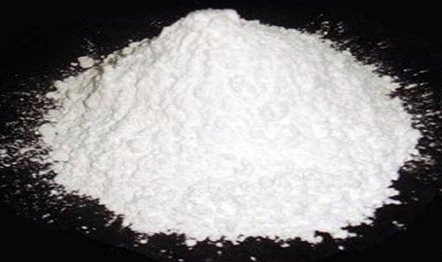
Magnesium Oxide
SOURCE LINK :https://pubs.usgs.gov/of/2001/of01-341/of01-341.pdf
Found this useful?