MAIRE Signs FEED Contract for 25 MTPA Argent LNG Export Facility in Louisiana
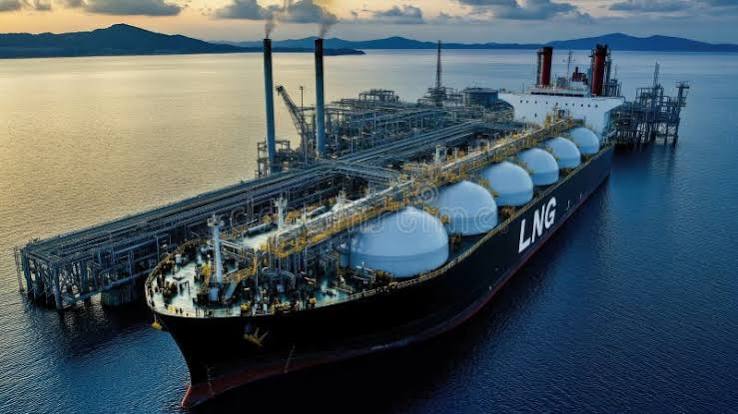
MAIRE has signed a front-end engineering design, or FEED, contract for the planned 25 million tonnes per annum Argent LNG export facility at Port Fourchon, Louisiana. The agreement moves the project deeper into engineering and regulatory preparation as the developer works toward a final investment decision.
For chemical traders, industrial buyers and energy-linked procurement teams, the development signals continued investment in large-scale Gulf Coast infrastructure. A project of this scale can generate demand across engineering services, process equipment, industrial materials, utilities and supporting supply chains.
MAIRE FEED Contract Moves Argent LNG Toward FID
The FEED scope covers engineering activities, permitting documentation and support for the Federal Energy Regulatory Commission, or FERC, process. These activities help establish the technical and regulatory foundation needed before a project advances to a final investment decision.
MAIRE's involvement also places its engineering capabilities within a major U.S. LNG development. The project is being designed around a modular approach intended to support large-scale production while allowing phased development.
Argent LNG is developing the facility on more than 900 acres at Port Fourchon. The company plans a two-phase development, with the initial phase targeting approximately 12 MTPA before expansion toward the full 25 MTPA capacity.
Why the 25 MTPA Capacity Matters to LNG Trade
A 25 MTPA export terminal represents substantial potential throughput for international LNG trade. Argent LNG says its facility is intended to serve customers across multiple international markets, with its Gulf Coast location providing access to established pipeline networks and deepwater export routes.
The scale also creates a broad procurement ecosystem around the core liquefaction process. Buyers and suppliers can expect attention on areas such as:
Process equipment: Liquefaction, gas treatment, compression and associated systems require specialized industrial equipment.
Construction materials: Large infrastructure projects create requirements for metals, piping, insulation, electrical equipment and other construction inputs.
Industrial chemicals: Gas pretreatment and supporting operations can require a range of treatment chemicals and process materials.
Marine infrastructure: Storage, loading systems, docks and pipeline connections form essential parts of the export chain.
Maintenance supply: Once operational, a facility of this scale will require recurring industrial materials, replacement components and maintenance services.
Port Fourchon Gives the Project a Strategic Gulf Coast Base
Location plays an important role in LNG economics because an export terminal must connect gas supply, processing infrastructure and marine transportation efficiently. Port Fourchon gives Argent LNG direct access to Gulf marine routes and nearby energy infrastructure.
The project site sits close to multiple natural gas pipelines and major distribution networks. Argent LNG says these connections can support feed gas supply for the facility while reducing the distance between upstream gas infrastructure and the liquefaction site.
The port's established energy-service ecosystem also provides an existing industrial base around the project. For procurement teams, this can support local sourcing alongside international equipment and materials procurement.
Modular Technology Shapes Procurement Requirements
Argent LNG is pursuing a modular project design rather than relying entirely on conventional site-built construction. The facility incorporates Baker Hughes modular liquefaction technology, LM9000 gas turbines and gas pretreatment systems from Honeywell UOP.
Modularization can shift part of the construction workload away from the terminal site. Factory fabrication and testing can improve consistency while reducing the amount of complex assembly required during field construction.
For procurement professionals, this approach changes the timing and structure of purchasing activity. Equipment packages may require earlier commitments because engineering, manufacturing, testing and marine transportation must align with the construction schedule.
The modular model also places greater importance on supplier coordination. Components produced in different locations must meet common technical specifications and arrive according to an integrated installation sequence.
FERC Support and Permitting Are Key Development Steps
FEED does more than define engineering requirements. It also supports the documentation needed for permitting and regulatory engagement, making the current phase important for the project's progression toward construction.
Argent LNG has been advancing through the FERC process while also addressing environmental and resource requirements. The company states that construction is expected to proceed in phases, with initial commercial operations targeted around 2030.
Regulatory preparation can affect procurement schedules because major equipment orders, construction packages and site activities depend on development milestones. Buyers participating in the wider supply chain therefore need to monitor project approvals alongside engineering announcements.
For international suppliers, regulatory alignment can also influence documentation, technical specifications and delivery planning. Early visibility into these requirements can help exporters prepare appropriate certifications and commercial documentation.
Technology Partners Expand the Industrial Supply Chain
Argent LNG has assembled several technology and engineering partners around the development. MAIRE's Tecnimont supports FERC, FEED and EPC-related activities, while Baker Hughes supplies liquefaction and power technology and Honeywell UOP provides gas pretreatment solutions. ABB is involved in electrical, automation and digital systems, while GTT is associated with LNG storage technology.
This integrated structure creates multiple procurement layers rather than a single purchasing stream. Major technology packages sit alongside construction materials, utilities, electrical systems, instrumentation and operational supplies.
For chemical traders, the opportunity is therefore not limited to direct LNG processing equipment. Suppliers can also monitor demand generated by contractors, subcontractors, fabricators and industrial service companies connected to the project.
What the Project Means for Industrial Chemical Buyers
Although LNG is the central product, large export facilities depend on a wide range of industrial inputs during construction and operation. Chemical procurement can support water treatment, cleaning, corrosion control, maintenance and other plant functions.
Potential purchasing categories can include:
Water treatment chemicals: Facilities require controlled water systems for various industrial and utility applications.
Corrosion management materials: Long-term operation of extensive piping and equipment makes corrosion control an important maintenance consideration.
Cleaning and process chemicals: Construction and commissioning activities can create demand for specialized cleaning and treatment products.
Industrial gases and related supplies: Maintenance, fabrication and commissioning work can require gases and associated industrial services.
Lubricants and maintenance materials: Turbines, rotating equipment and supporting machinery require planned maintenance inputs.
Suppliers should distinguish between project construction demand and long-term operating demand. Construction can create concentrated purchasing activity, while operational requirements tend to develop into recurring procurement cycles.
Global LNG Trade Could Gain Another Major Export Outlet
Argent LNG is positioning the Port Fourchon project to serve international markets across Europe, Asia and other regions. The company says its location and planned infrastructure are intended to support efficient exports from the U.S. Gulf Coast.
The project's planned scale also gives it significance for global buyers evaluating future LNG supply. Argent LNG has reported a long-term agreement framework involving Bangladesh for up to 5 MTPA, while continuing to engage with prospective markets internationally.
For importers, additional U.S. LNG capacity can expand the pool of potential supply sources. For exporters and industrial traders, the associated infrastructure buildout creates another major project to monitor for equipment, materials and supporting chemical demand.
What Procurement Teams Should Track Next
The FEED award is an important development, but procurement teams should continue tracking the project's engineering, regulatory and investment milestones. The next stages can determine when major equipment packages and construction materials move from planning into firm purchasing programs.
Buyers and suppliers should focus on several signals:
Final investment decision: FID will provide an important indication of the project's transition toward full execution.
Engineering package development: More detailed specifications can clarify requirements for equipment and industrial materials.
Permitting progress: Regulatory milestones can influence construction sequencing and procurement schedules.
Contractor awards: EPC and subcontractor appointments can reveal new routes into the project supply chain.
Construction activity: Site work can mark the beginning of sustained demand for construction and industrial supplies.
For chemical traders, early monitoring can provide more time to identify qualified manufacturers, evaluate origin options and prepare competitive offers. Large infrastructure projects often require reliable supply, consistent specifications and delivery schedules that match construction planning.
The Bottom Line for LNG and Chemical Procurement
MAIRE's FEED contract advances the Argent LNG project through a critical engineering and permitting stage ahead of the client's final investment decision. With planned capacity of 25 MTPA, a Gulf Coast location and a modular technology strategy, the development has implications beyond LNG production itself.
The project's progress can create procurement opportunities across engineering, construction, process technology and industrial supply chains. Companies serving energy infrastructure projects should monitor the development closely as engineering packages mature and the project moves toward construction.
For chemical traders, the opportunity lies in understanding where project demand intersects with reliable global supply. Suppliers that can combine competitive pricing with appropriate specifications, documentation and delivery capability will be positioned to respond as procurement activity develops.
Liquid Ammonia
Found this useful?