
Maleic Anhydride: Uses in Resins, Coatings and Chemical Manufacturing
Maleic anhydride plays an important role in the global chemical industry as a versatile intermediate for manufacturing resins, coatings, polymers and specialty chemicals. Its reactive chemical structure makes it valuable in processes that produce materials with specific mechanical, chemical and performance characteristics.
Manufacturers use maleic anhydride across several downstream industries, including construction, automotive, marine, packaging and chemical processing. Its importance extends beyond direct applications because it also serves as a building block for other industrial intermediates.
For chemical buyers, understanding maleic anhydride uses helps identify demand across downstream markets, evaluate supplier capabilities and assess how changes in industrial production influence purchasing requirements. Its connection with unsaturated polyester resins and other chemical derivatives makes it an important product in industrial procurement.
What Is Maleic Anhydride and How Is It Produced?
Maleic anhydride is an organic chemical compound with the molecular formula C4H2O3 and CAS number 108-31-6. It belongs to the cyclic acid anhydride family and appears as a white crystalline solid under normal ambient conditions.
Its reactive structure allows manufacturers to incorporate it into different chemical reactions, particularly those involved in polymer production and resin formulation.
Industrial Production Processes
Commercial maleic anhydride production primarily relies on the catalytic oxidation of n-butane. Some production facilities have historically used benzene-based processes, although butane-based production has become an important industrial route.
The manufacturing process involves controlled oxidation followed by separation and purification stages. Producers then prepare the resulting material for commercial distribution in suitable product forms.
Several factors influence production economics:
Feedstock availability: Access to n-butane and other petrochemical inputs influences manufacturing costs and production decisions.
Energy requirements: Industrial oxidation and downstream processing require reliable energy supplies.
Production efficiency: Catalyst performance and process efficiency influence output quality and manufacturing economics.
Plant reliability: Maintenance schedules and unexpected production interruptions can affect regional availability.
These factors also influence the commercial environment for buyers who depend on consistent supplies of maleic anhydride.
Maleic Anhydride Uses in Unsaturated Polyester Resins
Unsaturated polyester resin production represents one of the most important downstream applications of maleic anhydride.
Unsaturated polyester resins (UPR) represent a major application area for maleic anhydride. Manufacturers incorporate it into polyester formulations to introduce unsaturation that supports subsequent crosslinking during resin curing.
These resins help produce strong and lightweight composite materials. Their combination of mechanical performance, versatility and manufacturing flexibility supports applications across several industrial sectors.
Construction and Building Materials
The construction industry uses unsaturated polyester resins in products that require durability and structural performance.
Common applications include:
Fibreglass panels: Polyester resin systems help bind reinforcing fibres in composite building materials.
Roofing components: Manufacturers use reinforced polyester materials in selected roofing products and architectural components.
Chemical storage tanks: Composite resin systems support the production of industrial tanks designed for demanding service environments.
Pipes and fittings: Reinforced polyester materials serve applications requiring lightweight construction and mechanical strength.
Demand for these materials connects maleic anhydride consumption with construction activity, infrastructure investment and industrial manufacturing.
Automotive and Marine Applications
Automotive manufacturers use polyester-based composites in selected vehicle body components and other lightweight structural applications. These materials can help reduce component weight while maintaining useful mechanical properties.
The marine industry also relies on unsaturated polyester resin systems for fibreglass boat hulls and related composite components.
For procurement teams, these applications create demand linked to automotive production, marine equipment manufacturing and composite material suppliers.
Applications of Maleic Anhydride in Industrial Coatings
Maleic anhydride contributes to several coating and surface treatment formulations through its role in resin chemistry. Manufacturers incorporate it into selected resin systems to modify their chemical structure and influence the performance of finished coatings.
Its reactive functionality makes it useful in alkyd resin chemistry and specialised coating formulations.
Alkyd Resins and Protective Coatings
Alkyd resins combine polyols, polybasic acids and fatty acid components to produce materials used in various coating applications.
Maleic anhydride can participate in resin modification and formulation, helping manufacturers adjust characteristics such as hardness, adhesion and drying behaviour.
Industrial applications include:
Protective coatings: Selected formulations provide surface protection for industrial equipment and metal components.
Wood coatings: Alkyd-based systems appear in certain wood finishes and protective treatments.
Industrial paints: Modified resin systems support different coating requirements across manufacturing sectors.
Specialty finishes: Resin modification helps formulators develop coatings with application-specific characteristics.
UV-Curable and Reactive Coating Systems
Certain coating technologies use reactive chemical groups to support crosslinking and film formation. Maleic anhydride can introduce reactive sites into selected polymer structures used in these formulations.
This functionality makes it relevant to specialty coating development, where manufacturers seek specific hardness, adhesion and curing characteristics.
Maleic Anhydride in Chemical Manufacturing and Derivatives
Beyond resin and coating applications, maleic anhydride serves as a starting material for producing several industrial intermediates. Its chemical reactivity allows manufacturers to develop compounds that support different downstream markets.
These applications broaden its commercial importance and connect its demand with industries beyond conventional polymer manufacturing.
Fumaric Acid and Malic Acid Production
Maleic anhydride serves as an intermediate in the production of fumaric acid and malic acid.
Both compounds have applications across industrial chemical manufacturing and other downstream sectors.
Fumaric acid: Manufacturers use it in resin production and selected chemical formulations. It also has applications as an acidity regulator in food manufacturing.
Malic acid: This organic acid supports food and beverage formulations, particularly applications involving acidity control and flavour characteristics.
Demand for these derivatives connects maleic anhydride with the broader organic acids market.
Agricultural Chemicals and Specialty Intermediates
Maleic anhydride also participates in the production of selected agricultural chemicals and specialty chemical intermediates.
Its role in chemical synthesis makes it relevant to manufacturers developing different organic compounds for industrial and agricultural applications.
Other downstream uses include:
Copolymer production: Maleic anhydride participates in the manufacture of specialised copolymers used in different industrial formulations.
Lubricant additives: Certain derivatives support lubricant formulations, including products designed to improve performance characteristics.
Paper manufacturing: Maleic anhydride-derived compounds contribute to selected paper sizing and coating applications.
Adhesives: Its derivatives appear in adhesive formulations used across manufacturing and industrial markets.
These applications demonstrate why maleic anhydride demand does not depend exclusively on the polyester resin sector.
Global Demand Drivers and Industrial Market Trends
Maleic anhydride demand reflects activity across several interconnected industries. Resin manufacturers remain important consumers, while specialty chemicals and industrial intermediates provide additional demand channels.
Understanding these connections helps procurement professionals assess potential changes in purchasing requirements.
Construction and Infrastructure Development
Infrastructure investment supports demand for composite materials, reinforced pipes, building panels and other polyester-based products.
When construction activity increases, manufacturers may require additional resin production capacity. This can translate into greater demand for maleic anhydride as a downstream manufacturing input.
Automotive and Transportation Manufacturing
Automotive production creates opportunities for composite materials that support lightweight component development.
Marine equipment manufacturers also contribute to demand through fibreglass products and related applications.
Changes in vehicle production, industrial investment and composite manufacturing activity can therefore influence maleic anhydride purchasing patterns.
Chemical Manufacturing and Downstream Integration
The production of specialty intermediates creates another important source of demand.
Manufacturers that integrate maleic anhydride into downstream production may monitor feedstock availability, production economics and derivative market conditions when planning purchases.
For international buyers, monitoring these connected industries offers a broader understanding of potential demand changes than focusing exclusively on maleic anhydride prices.
Supply Chain and Procurement Considerations for Buyers
Maleic anhydride procurement requires attention to product consistency, supplier reliability and the requirements of the intended manufacturing application.
Because different industries use it in different formulations, buyers should evaluate suppliers according to their technical and commercial requirements rather than relying on price alone.
Product Quality and Technical Documentation
Before evaluating commercial offers, procurement teams should establish clear product requirements.
Important considerations include:
Purity specifications: Confirm that the offered grade meets the requirements of the intended industrial application.
Product appearance: Review the supplier's stated physical specifications and quality documentation.
Certificate of Analysis: Request batch-specific documentation to verify conformity with agreed specifications.
Safety Data Sheet: Obtain current safety and regulatory documentation for internal compliance reviews.
Consistency: Review the supplier's ability to maintain consistent quality across repeat shipments.
These checks help buyers compare offers using consistent technical criteria.
Supplier Reliability and Commercial Evaluation
Supplier selection should consider more than the initial quoted price.
Procurement professionals should assess:
Production capacity and supply continuity.
Export experience and international shipment documentation.
Commercial terms and payment conditions.
Delivery commitments and order fulfilment history.
Responsiveness to quality-related questions.
Availability of technical documentation.
Comparing several qualified suppliers can help buyers understand differences in commercial terms and supply capabilities.
Understanding Regional Supply Conditions
Maleic anhydride availability depends on production capacity, feedstock economics, plant operations and international trade flows.
Regional disruptions or changes in petrochemical feedstock costs can influence supplier offers and delivery conditions.
Buyers operating across international markets should monitor developments in upstream petrochemicals and downstream resin production. These indicators provide useful context when planning procurement cycles and evaluating quotations.
Sustainability and Environmental Considerations
Chemical manufacturers increasingly evaluate production efficiency and environmental performance across their supply chains.
Maleic anhydride production involves oxidation processes that generate carbon-containing emissions. As a result, manufacturers face broader industry expectations around emissions management, energy efficiency and responsible industrial operations.
Improving Production Efficiency
Manufacturers can evaluate production technologies and operational improvements that support more efficient use of feedstocks and energy.
Catalyst development and process optimisation also contribute to industrial efforts to improve production performance.
Responsible Supply Chain Management
Buyers increasingly consider environmental documentation and supplier compliance when evaluating chemical sourcing options.
Relevant considerations include:
Environmental management practices at manufacturing facilities.
Regulatory compliance and emissions reporting.
Documentation supporting product traceability.
Supplier transparency regarding production standards.
These considerations can help procurement teams align chemical purchasing decisions with wider corporate sourcing policies.
What Buyers Should Watch in the Maleic Anhydride Market
Maleic anhydride will remain relevant to several industrial value chains because of its role in polyester resins, coatings and specialty chemical production.
Its downstream demand depends on the performance of construction, automotive, marine and chemical manufacturing industries. Changes in feedstock economics and production capacity can also influence the commercial environment.
For procurement teams, a practical purchasing strategy should combine technical evaluation with supplier assessment and market monitoring. Buyers should track upstream feedstock conditions, review downstream industry activity and maintain clear product specifications when comparing offers.
Understanding the relationship between maleic anhydride and its major derivatives also helps identify opportunities across different chemical markets.
As industrial manufacturers continue developing composite materials, specialty coatings and chemical intermediates, maleic anhydride will retain an important position in industrial chemical supply chains.
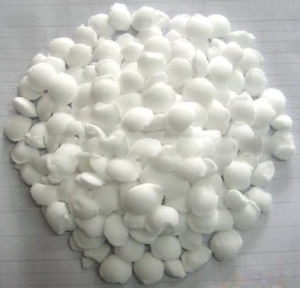
Maleic Anhydride
Found this useful?