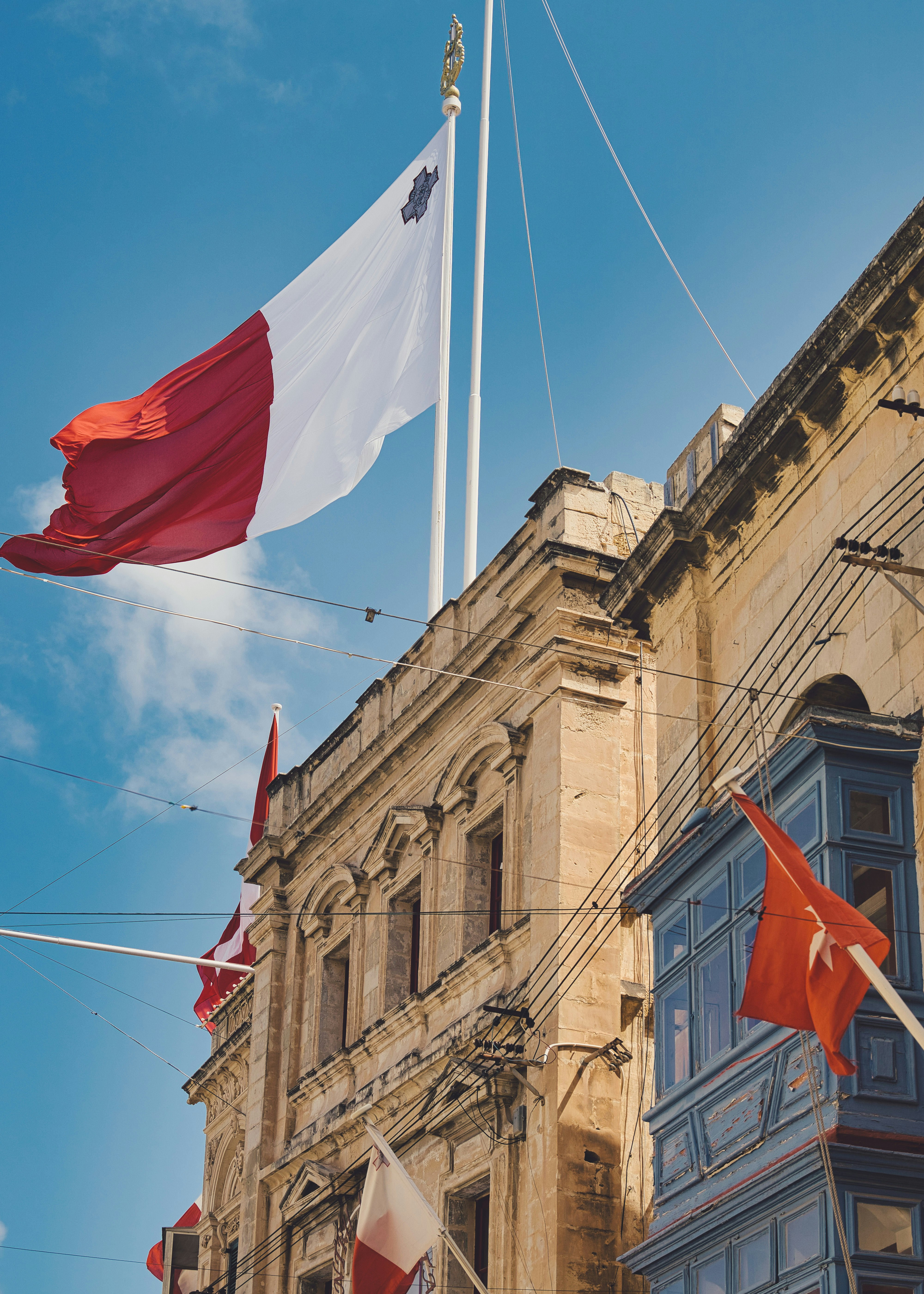
Malta's Flag Becomes a Casualty of the Conflict
Introduction
As geopolitical conflicts continue to reshape global trade, even neutral maritime nations are feeling the consequences. Malta, home to one of the world's largest ship registries, is increasingly finding its flag caught in the crossfire of regional instability. As shipping companies reassess operational risks, vessels sailing under the Maltese flag are facing greater scrutiny, higher insurance costs, and evolving compliance challenges.
For industries dependent on international maritime trade—including chemicals, pharmaceuticals, food ingredients, and energy—the changing risk profile of major shipping registries could have significant implications for freight costs, vessel availability, and supply chain resilience.
Why the Maltese Flag Matters in Global Shipping
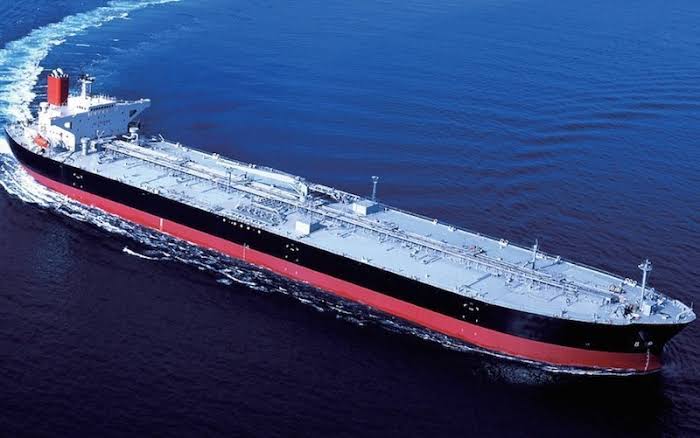
Malta operates one of the largest and most respected ship registries in the world. Thousands of commercial vessels, including container ships, chemical tankers, bulk carriers, and oil tankers, sail under the Maltese flag due to its internationally recognized regulatory framework and competitive registration system.
Its registry supports global trade by offering:
Internationally recognized maritime standards.
Strong legal and regulatory oversight.
Access to European maritime regulations.
A preferred registry for commercial shipping operators.
A diverse fleet serving major global trade routes.
Any increase in the perceived risk associated with Maltese-flagged vessels can therefore affect a substantial portion of international shipping capacity.
Conflict Is Reshaping Maritime Risk
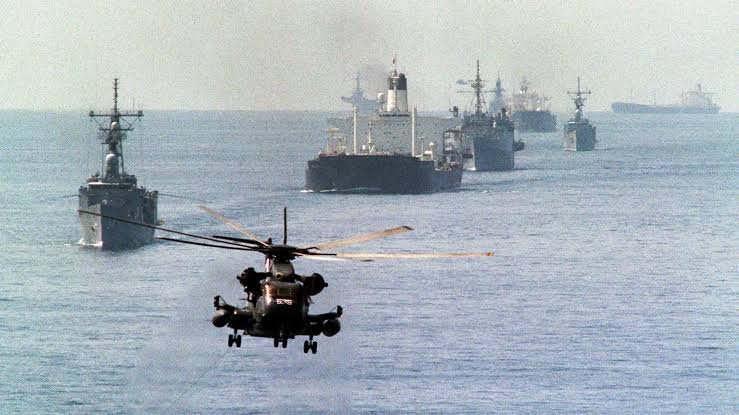
Although Malta remains outside the conflict itself, ships registered under its flag may face indirect consequences as regional tensions increase.
Shipping companies are encountering:
Higher war-risk insurance premiums.
More frequent security inspections.
Increased route adjustments to avoid high-risk waters.
Greater operational uncertainty in conflict-affected sea lanes.
Additional compliance and documentation requirements.
These factors contribute to longer transit times and higher transportation costs for cargo owners.
Freight Costs Continue to Rise
The impact extends beyond vessel operators. Importers and exporters may experience rising logistics expenses as shipping companies pass increased operating costs through the supply chain.
Higher costs may include:
War-risk surcharges.
Increased marine insurance.
Fuel costs resulting from longer alternative routes.
Security-related operational expenses.
Delays caused by rerouted shipments.
Businesses relying on time-sensitive cargo or just-in-time inventory systems may face additional planning challenges.
Implications for Chemical and Pharmaceutical Supply Chains
Industries transporting hazardous or high-value cargo are particularly exposed to maritime disruptions.
Products likely to be affected include:
Many of these products require specialized vessels or strict delivery schedules, making transportation reliability as important as freight pricing.
Procurement Strategies for Managing Maritime Uncertainty
Procurement and logistics teams should strengthen resilience by adopting proactive risk management measures.
Recommended actions include:
Diversify Shipping Options
Avoid dependence on a single shipping route or carrier where practical.
Monitor Insurance and Freight Surcharges
Regularly review changes in war-risk premiums and carrier surcharge announcements.
Increase Supply Chain Visibility
Use real-time shipment tracking and geopolitical intelligence to identify potential disruptions early.
Review Supplier Logistics Networks
Work with suppliers to understand alternative ports, carriers, and contingency shipping plans.
Build Flexible Inventory Strategies
Maintain appropriate inventory buffers for critical materials that may be affected by transportation delays.
What to Watch in the Months Ahead
Businesses should continue monitoring several indicators that may influence maritime logistics:
Regional geopolitical developments.
Changes in shipping insurance markets.
Carrier routing decisions.
Port security measures.
Container availability.
Freight rate movements.
Regulatory updates affecting international shipping.
Early awareness enables organizations to adjust procurement and logistics strategies before disruptions escalate.
Conclusion
Malta's prominent position in global shipping means that increased risks affecting its flag have implications far beyond the country's borders. As geopolitical conflicts reshape maritime operations, higher insurance costs, route diversions, and growing operational uncertainty are becoming important considerations for global supply chains.
Companies that actively monitor maritime risk, diversify logistics options, and integrate geopolitical intelligence into procurement planning will be better positioned to maintain supply continuity while controlling transportation costs in an increasingly unpredictable trading environment.