Maltodextrin DE Rating: What Dextrose Equivalent Means and Why It Affects Application Performance
Maltodextrin DE Rating: What Dextrose Equivalent Means and Why It Affects Application Performance
Maltodextrin is one of the most widely used carbohydrate ingredients in modern food manufacturing, serving applications that range from beverage powders and nutritional products to spray-dried flavors and encapsulated ingredients. Although products are often sold simply as "maltodextrin," one specification has a significant influence on their performance: the Dextrose Equivalent, commonly known as the DE value.
For procurement professionals, the DE rating is much more than a commercial specification. It reflects the degree of starch hydrolysis and directly affects sweetness, molecular weight, film-forming ability, moisture management and processing performance. Two maltodextrins with different DE values may satisfy the same product description but behave very differently during manufacturing. Understanding and verifying this specification is therefore an essential part of supplier qualification and quality assurance.
What Is Dextrose Equivalent?
Dextrose Equivalent is the standard measurement used to describe the extent to which starch has been hydrolyzed during maltodextrin production.
As starch molecules break down into smaller carbohydrate chains, the DE value increases. A low DE indicates larger molecular structures with limited hydrolysis, while a higher DE reflects greater hydrolysis and smaller carbohydrate molecules.
Commercial maltodextrin generally falls within a DE range from close to zero up to 20.
Products with values above DE 20 are no longer classified as maltodextrin and are instead considered glucose syrups.
This distinction is important because it establishes both product classification and expected functional performance.
Why DE Rating Matters in Food Manufacturing
The DE value influences several important characteristics that determine how maltodextrin behaves in food formulations.
Selecting the correct DE range helps manufacturers achieve the desired processing performance while maintaining product quality and consistency.
Key functional properties influenced by DE include:
Sweetness level.
Molecular weight.
Solubility.
Film-forming capability.
Moisture absorption.
Encapsulation efficiency.
Bulking performance.
Because these properties change as hydrolysis increases, procurement teams should avoid treating all maltodextrins as interchangeable ingredients.
Low DE Maltodextrin Supports Functional Applications
Low DE maltodextrin contains relatively large carbohydrate molecules, giving it characteristics that make it valuable for technical food applications.
Its lower sweetness allows manufacturers to improve texture and processing without significantly altering flavor profiles.
Applications that commonly benefit from lower DE products include:
Spray-dried flavors.
Encapsulated essential oils.
Powdered beverages.
Nutritional supplements.
Dry seasoning blends.
Functional food ingredients.
These applications rely on the ingredient's ability to form stable films while providing bulk and protecting sensitive ingredients during processing.
Higher DE Maltodextrin Provides Different Performance
As the DE value approaches the upper limit of the maltodextrin classification, product characteristics begin to change noticeably.
Higher DE maltodextrin contains smaller carbohydrate molecules that contribute greater sweetness and increased humectancy compared with lower DE grades.
Typical benefits include:
Improved solubility.
Increased sweetness.
Enhanced moisture retention.
Faster dissolution.
Better mouthfeel in selected formulations.
While these characteristics are valuable in many products, they may reduce performance in applications requiring strong encapsulation or film formation.
Selecting the wrong DE grade can therefore affect both manufacturing efficiency and finished product quality.
Supplier Qualification Should Focus on Functional Performance
Choosing a maltodextrin supplier involves much more than comparing prices or confirming product availability. Since the DE rating directly affects processing behavior, procurement teams should evaluate suppliers based on their ability to consistently deliver the specified functional properties.
Manufacturing consistency is particularly important for products used in spray drying, encapsulation and nutritional formulations where even small variations in DE can influence production efficiency.
Supplier evaluations should include:
Consistent DE control across production batches.
Reliable starch feedstock sourcing.
Batch-to-batch quality consistency.
Comprehensive technical documentation.
Strong quality management systems.
Long-term production capacity.
Technical support for application development.
Suppliers capable of maintaining tight process control help manufacturers reduce formulation variability while improving production reliability.
Application Requirements Should Determine the DE Range
Rather than selecting maltodextrin based on general availability, procurement teams should begin with the intended application.
Each food application places different demands on the ingredient, making the DE rating a critical part of formulation design.
Typical application considerations include:
Spray drying benefits from lower DE grades that provide strong film-forming properties and protect sensitive ingredients.
Flavor encapsulation generally requires lower molecular weight variation and stable coating performance.
Functional nutrition products may require carefully balanced sweetness and bulking characteristics.
Instant beverage powders often prioritize rapid solubility while maintaining acceptable sensory properties.
Working closely with research and development teams helps ensure procurement specifications support manufacturing objectives.
Certificate of Analysis Should Support Every Delivery
A Certificate of Analysis is one of the most valuable quality assurance tools available to procurement teams.
Because DE directly influences ingredient functionality, every incoming shipment should be reviewed to confirm compliance with the approved purchasing specification before release into production.
Important Certificate of Analysis information includes:
Verified DE value.
Moisture content.
Appearance.
Microbiological compliance.
Batch identification.
Manufacturing date.
Product specification reference.
Routine verification helps prevent unsuitable material from entering production while supporting traceability and regulatory compliance.
Market Demand Continues to Expand
Global demand for maltodextrin continues to increase across multiple industries including food, beverages, pharmaceuticals and nutritional products.
Growth in functional foods, convenience products and encapsulated ingredients has increased the importance of consistent product performance rather than simply commodity availability.
Procurement professionals should monitor:
Expansion of starch processing capacity.
Raw material availability.
Food ingredient demand trends.
Growth in spray-drying applications.
Developments in nutritional product manufacturing.
Supplier investments in quality control technologies.
These factors influence both long-term supply security and future purchasing strategies.
What Buyers Should Do Now
The DE rating is one of the most important technical specifications associated with maltodextrin. While two products may carry the same ingredient name, differences in Dextrose Equivalent can significantly affect sweetness, encapsulation performance, film formation, moisture management and overall processing behavior.
For procurement professionals, specifying the required DE range should form part of every purchasing specification rather than being treated as an optional commercial detail. Incoming raw materials should also be verified against Certificate of Analysis documentation to confirm that every shipment matches approved formulation requirements.
By combining precise purchasing specifications, thorough supplier qualification and routine quality verification, organizations can improve manufacturing consistency while reducing the risk of costly formulation issues caused by inappropriate maltodextrin grades.
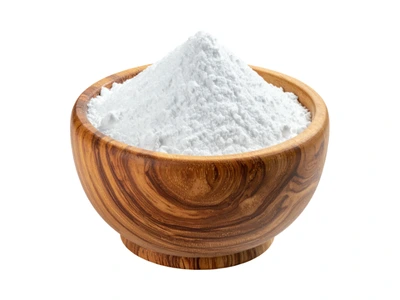
Maltodextrin (E1400)
Found this useful?