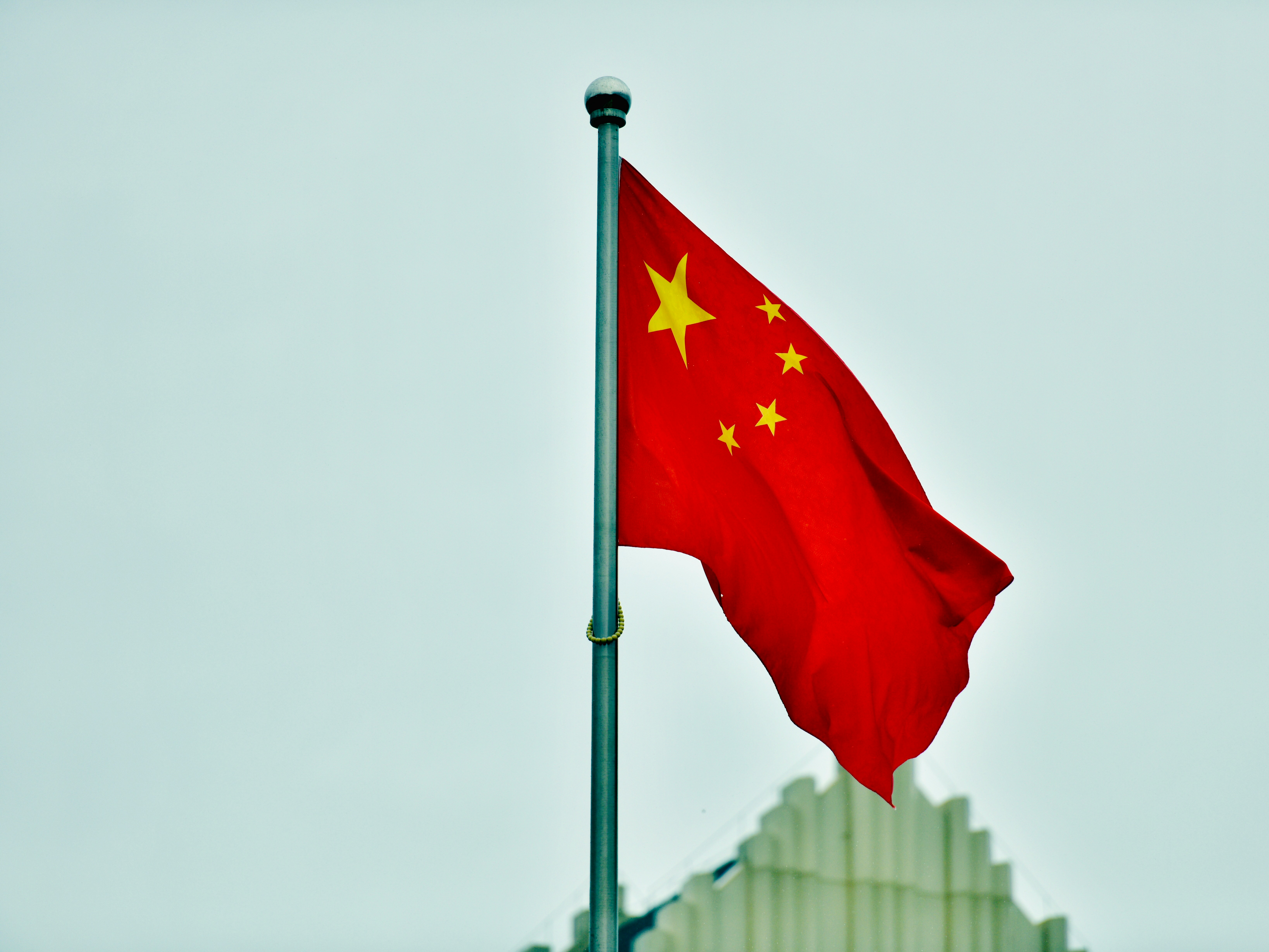
Trade policy has become one of the biggest cost drivers for imported chemical inputs. Procurement teams that relied on stable import pricing now face a more complex landscape as Section 301 tariffs of up to 25% on Chinese pharmaceutical chemicals and APIs combine with the 10% global tariff introduced in April 2025 on nearly all imported goods, including packaging materials and analytical equipment. These overlapping measures influence purchasing decisions across pharmaceutical manufacturing and chemical distribution.
Instead of affecting only a handful of specialty products, the latest tariff structure reaches multiple stages of the supply chain. Buyers must now evaluate not only chemical prices but also logistics, equipment costs and long-term supplier relationships before making purchasing decisions.
Understanding the New Tariff Structure
The current tariff environment introduces multiple layers of import costs rather than a single duty on finished goods.
For pharmaceutical supply chains, Section 301 tariffs continue to apply duties of up to 25% on selected Chinese pharmaceutical chemicals and active pharmaceutical ingredients, commonly known as APIs. At the same time, the April 2025 global tariff adds another 10% cost to nearly every imported product entering the market.
This means procurement managers may experience higher expenses in several categories simultaneously instead of only on raw materials.
Key areas affected include:
Pharmaceutical chemicals imported directly from China under Section 301 measures.
Packaging materials used for finished pharmaceutical products.
Laboratory instruments and analytical equipment required for quality control.
Supporting materials imported from multiple global suppliers that now fall under the broader tariff framework.
Why Pharmaceutical Supply Chains Feel the Greatest Impact
Pharmaceutical manufacturing depends on a network of specialized suppliers spread across different countries. Even a small increase in import duties can affect production economics because many ingredients have limited qualified sources.
Several procurement challenges are becoming more common.
Buyers often face higher landed costs before production even begins. This increases pressure on operating budgets and inventory planning.
Supplier qualification becomes more important because changing vendors requires regulatory reviews, quality validation and production testing.
Equipment purchases become more expensive as analytical instruments and laboratory systems also carry additional import costs.
Companies that manufacture generic medicines may experience even tighter margins because product prices often remain highly competitive while procurement expenses continue to increase.
Cost Pressure Beyond Raw Chemicals
Many organizations initially focus only on tariffs applied to chemical products. The broader financial impact extends much further.
Packaging materials now contribute more to finished product costs. Laboratory consumables and analytical equipment also become more expensive, affecting research, quality assurance and production support.
The combined result is a steady increase in operational spending throughout pharmaceutical manufacturing rather than a single price adjustment on imported chemicals.
Procurement Strategies for Managing Layered Tariffs
Modern procurement teams increasingly evaluate the total cost of ownership instead of simply comparing supplier quotations.
Several practical approaches can reduce exposure to tariff-related cost increases.
Diversify sourcing across multiple qualified regions whenever possible. This reduces dependence on suppliers affected by the highest duties.
Review long-term purchasing contracts to identify opportunities for volume agreements before future pricing adjustments occur.
Analyze landed cost rather than purchase price alone. Freight, customs duties, insurance and compliance expenses now represent a larger share of procurement spending.
Build stronger relationships with qualified distributors that maintain regional inventories, helping reduce supply interruptions.
Strategic sourcing has become just as valuable as price negotiation in today's import environment.
Supplier Diversification Is Becoming a Competitive Advantage
Many procurement organizations previously concentrated purchases among a limited number of suppliers to secure favorable pricing. The current tariff environment encourages a broader sourcing strategy.
Companies increasingly evaluate suppliers from regions that offer competitive manufacturing capabilities while reducing tariff exposure.
This approach provides several advantages.
Better flexibility during trade policy changes.
Reduced dependence on one manufacturing country.
Improved resilience against shipping disruptions.
Greater negotiating power during contract renewals.
Diversification does not eliminate tariffs entirely, but it reduces the financial impact when trade policies shift unexpectedly.
How Tariffs Influence Pricing Across the Market
Tariffs rarely remain isolated to imported products. Their effects gradually move throughout the supply chain.
Manufacturers absorb part of the additional expense, distributors adjust inventory pricing and end users eventually encounter higher purchasing costs. Each participant manages a portion of the increased financial burden.
For buyers, this creates several planning challenges.
Forecasting becomes less predictable because procurement costs depend on both international pricing and government trade policy. Budget planning also requires greater flexibility as tariff changes can alter purchasing economics within relatively short periods.
Companies that monitor regulatory developments closely often respond faster than competitors when pricing conditions change.
Risk Management for Importers and Procurement Teams
Successful procurement now requires continuous monitoring instead of periodic purchasing reviews.
Organizations should regularly assess:
Current tariff exposure across all imported chemical inputs.
Supplier concentration risk.
Inventory levels for critical materials.
Alternative sourcing opportunities.
Contract terms related to price adjustments and delivery commitments.
Regular reviews allow procurement teams to react before additional costs significantly affect production schedules.
Businesses should also maintain close communication with logistics providers and customs specialists. Accurate tariff classification and documentation help avoid unnecessary delays and unexpected import expenses.
The Outlook for Global Chemical Trade
Trade policy remains one of the most influential external factors affecting chemical procurement. While market demand continues to drive purchasing activity, tariffs increasingly shape sourcing decisions alongside traditional considerations such as quality, availability and delivery performance.
Pharmaceutical manufacturers, chemical traders and industrial buyers are placing greater emphasis on supply chain resilience rather than relying solely on the lowest purchase price. This broader perspective supports more stable operations when international trade conditions evolve.
What Buyers Should Do Now
The latest tariff layers demonstrate that procurement decisions extend far beyond comparing supplier quotations. Import duties now affect pharmaceutical chemicals, packaging materials and analytical equipment, creating cumulative cost pressures throughout the manufacturing process.
Organizations that evaluate total landed cost, diversify qualified suppliers and strengthen procurement planning will be better positioned to maintain reliable supply while managing expenses. As trade policies continue to evolve, proactive sourcing strategies will remain an essential competitive advantage.
Ready to source imported chemical inputs from verified global suppliers? Explore competitive offers on our platform today.