Masdar Signs Multi-Billion-Euro Offshore Wind and Storage Deals in Germany
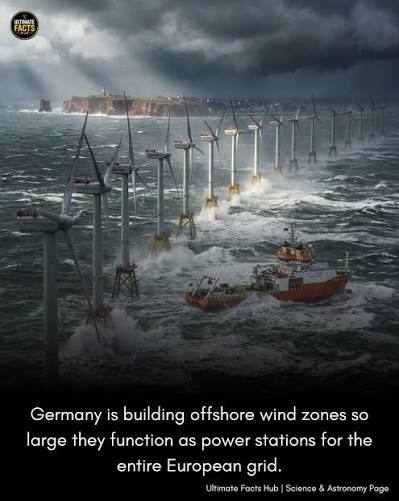
Germany is attracting another major wave of renewable energy investment as Abu Dhabi Future Energy Company, known as Masdar, signs strategic agreements covering offshore wind and battery energy storage. The arrangements with RWE and German asset manager Luxcara could involve more than €8 billion in potential investment across future projects.
For chemical traders, procurement managers and industrial suppliers, the development matters beyond electricity generation. Large offshore wind and storage projects require extensive quantities of metals, coatings, polymers, insulation materials, construction chemicals and other industrial inputs across development, manufacturing, construction and long-term maintenance.
Masdar Expands Its German Renewable Energy Portfolio
Masdar signed a Memorandum of Understanding with RWE to explore joint participation in future German offshore wind auctions. The agreement carries an indicative investment value exceeding €3 billion, building on the companies' existing relationship in renewable energy.
A second agreement with Luxcara creates a framework to explore strategic investments in Germany and wider Europe. The potential partnership covers battery energy storage systems, offshore wind and potentially other energy-transition technologies, with an overall potential value exceeding €5 billion.
The two agreements therefore address complementary parts of the renewable power system. Offshore wind increases generation capacity, while battery storage can help manage fluctuations and shift electricity availability toward periods of higher demand.
Masdar says the agreements form part of its broader European expansion strategy. The company reports a European platform exceeding 15.6 GW and more than US$13 billion invested across Europe.
RWE Partnership Targets Future Offshore Wind Auctions
The Masdar and RWE agreement focuses on potential participation in upcoming German offshore wind auctions. Rather than committing to one named project, the framework allows the companies to evaluate future opportunities as Germany develops additional offshore capacity.
For industrial suppliers, auction-linked development can create demand across several stages. Engineering studies, turbine manufacturing, foundations, subsea infrastructure, cable systems and port operations all require specialized materials and supporting products.
Offshore projects also place strict demands on materials because equipment must operate in marine environments. Corrosion resistance, mechanical durability and weather protection become important considerations for components exposed to saltwater, wind and changing temperatures.
The supply chain can therefore extend well beyond turbine manufacturers. Chemical and materials suppliers can participate indirectly through coatings, adhesives, sealants, resins, lubricants, insulation materials and other products incorporated into equipment and infrastructure.
Luxcara Deal Connects Offshore Wind With Battery Storage
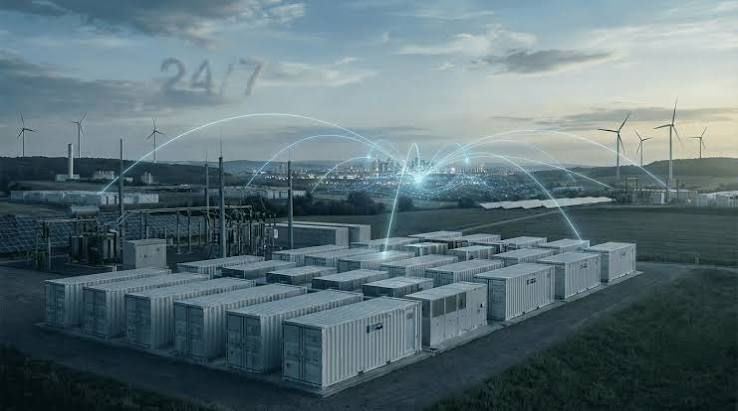
The Luxcara agreement adds another dimension to Masdar's German strategy by bringing battery energy storage into the investment framework. The companies plan to explore potential joint investments in BESS projects as well as offshore wind developments.
Battery storage can play an important role when renewable generation varies throughout the day. Electricity generated during periods of strong wind can be stored and released when grid conditions or demand make that power more valuable.
This creates additional industrial demand beyond conventional renewable generation. Battery projects require materials and components associated with cells, thermal management, electrical systems, fire protection, enclosures and grid connection equipment.
Germany Becomes a Larger Market for Renewable Infrastructure
Masdar's latest agreements build on an established presence in Germany. The company and Iberdrola developed the 476 MW Baltic Eagle offshore wind farm near Rügen Island, which became fully operational in 2025.
Baltic Eagle provides a practical foundation for Masdar's continued German activity. The project demonstrates the company's experience with offshore construction, European supply chains and large-scale renewable infrastructure.
Masdar's European offshore portfolio also includes projects such as London Array, Dudgeon, Hywind Scotland and East Anglia THREE. The company has continued expanding its exposure to both renewable generation and storage as European power systems require greater flexibility.
For suppliers, this creates a market where project experience and technical specifications can become as important as price. Procurement teams working on large renewable projects typically need materials that satisfy demanding performance and compliance requirements while remaining available at scale.
Where Chemical Suppliers Can Find New Demand
Although the agreements focus on energy assets rather than chemicals, large infrastructure projects generate significant indirect demand for industrial materials.
Key product categories can include:
Protective coatings: Offshore foundations, steel structures and equipment require protective systems designed for aggressive marine environments and long service periods.
Adhesives and sealants: Wind turbines, electrical equipment and building systems use bonding and sealing materials to protect components and maintain structural performance.
Polymers and resins: Composite components, cable systems and electrical equipment depend on engineered polymer materials for insulation, durability and weight reduction.
Lubricants and specialty fluids: Turbines, cranes, generators and other mechanical equipment require lubricants and fluids suited to demanding operating conditions.
Insulation materials: Electrical infrastructure and energy storage systems require materials that support thermal and electrical management.
Water and wastewater chemicals: Large construction and industrial facilities can require treatment chemicals for process water, cooling systems and other utility operations.
The effect can spread through several tiers of the supply chain. A turbine manufacturer may purchase a finished component while its supplier purchases resins, solvents, additives or other chemical inputs from another producer.
Battery Storage Adds a Different Procurement Profile
Battery storage introduces procurement requirements that differ from those associated with offshore wind. Projects need equipment and materials capable of supporting high-density electrical systems while addressing thermal management, fire protection and operational reliability.
The earlier Masdar and RWE agreement from February 2026 provides additional context for this strategy. Under that framework, Masdar planned to explore investment in existing RWE BESS projects in Germany with capacity of up to 1 GW and assess joint development of new BESS projects of up to another 1 GW.
This indicates that storage has become a recurring part of Masdar's German investment plans rather than a one-off addition. For industrial traders, that may create opportunities across multiple project cycles rather than a single procurement event.
Suppliers should pay attention to specifications for thermal resistance, chemical compatibility, fire performance and environmental durability. Storage projects can also require specialized products for concrete protection, cable insulation, cooling infrastructure and facility maintenance.
What the Deals Mean for Chemical Trading
The immediate value of the Masdar agreements lies in renewable infrastructure, but their commercial impact can extend into industrial supply chains. Every large energy project involves a network of manufacturers, engineering firms, construction contractors and maintenance providers.
That network creates several potential opportunities for chemical traders:
First, demand can develop before construction begins. Engineering and manufacturing contractors need materials during fabrication, testing and assembly.
Second, offshore projects can require specialized grades. Marine exposure can place tighter performance requirements on coatings, sealants, polymers and corrosion-control products.
Third, storage projects can broaden the product mix. Battery facilities require electrical, thermal, structural and safety-related materials alongside conventional construction inputs.
Fourth, long-term operations can sustain recurring demand. Maintenance, replacement and refurbishment create purchasing requirements after an asset enters commercial operation.
Procurement Teams Should Track the Project Pipeline
The agreements announced by Masdar, RWE and Luxcara are strategic frameworks rather than confirmation that every potential investment will proceed at the stated maximum value. Procurement teams should therefore track how potential projects progress from agreements and auctions into development, financing, construction and operation.
For chemical buyers and traders, several factors deserve close attention:
Monitor future offshore wind auction activity in Germany because successful projects can trigger substantial downstream procurement.
Track project developers and engineering contractors because they often determine approved product specifications and supplier requirements.
Prepare documentation early, particularly technical specifications, safety documentation and certificates required for industrial applications.
Assess logistics before quoting large volumes because offshore projects can involve specialized ports, fabrication yards and delivery schedules.
Maintain alternative supply options for products exposed to tight availability, especially specialty materials needed during construction.
Looking Ahead to Germany's Renewable Supply Chain
Masdar's latest agreements show how renewable investment is increasingly combining generation with flexibility. Offshore wind provides large-scale electricity production while battery storage can help manage when that electricity reaches the grid.
For Germany's industrial supply chain, the combination creates demand across a broad range of equipment and materials. Chemical traders that understand the technical requirements of offshore infrastructure, battery facilities and associated construction projects can position themselves to serve contractors and manufacturers as projects move toward execution.
Masdar's existing German portfolio, its relationship with RWE and the proposed Luxcara partnership give the company several routes to expand its presence in the country's energy infrastructure. The potential investment scale also highlights why renewable energy projects should remain on the radar of industrial procurement teams looking for emerging demand opportunities.
Fumed Silica
Found this useful?